
The Kasol to Chalal trek is a 30-minute trek in the Pravtai Valley.
More than a trek, it is a conversation with the Parvati River, a forest walk that smells like pine and rain, and your first encounter with the beauty that Parvati Valley is!!.
The trail kicks off from Kasol’s main market, crosses that slightly shaky suspension bridge everyone photographs, and ends at Chalal village, where cafés serve hummus with Himalayan views.
It’s a beginner-friendly, mostly flat trek that allows you ample time for slowing down.
Overview
The Kasol to Chalal trek is a short, scenic riverside walk perfect for first-timers, couples, and anyone looking to understand the terrain of Parvati Valley.
The trek will take you alongside the Parvati River through pine forests, crossing wooden bridges, to a village known for its café culture.
- Distance: ~2 km one-way
- Time: 30–60 minutes, depending on pace
- Difficulty: Easy, beginner-friendly
- Altitude: ~5,300 feet
- Best for: First-time trekkers, couples
Most people do this as a half-day outing—trek to Chalal, spend 2–3 hours café hopping, and return before sunset.
Kasol to Chalal Trek Distance and Time

Let’s set realistic numbers because every blog will give you different stats.
The Kasol to Chalal distance is approximately 2 km one-way, from the main market bridge to the first cafés in Chalal. Some sources say 2.5 km, others claim 3 km. But i think it will also depend on where exactly you start in Kasol.
Kasol to Chalal trek time: Most trekkers complete the one-way journey in 30–60 minutes. If you’re stopping for photos, taking breaks by the river, or walking slowly, plan for 45–60 minutes.
Fit trekkers or people who’ve done the route before can knock it in half this time.
So, you can keep the total outing time to be around only 5 hours for the entire experience. That includes the walk to Chalal, an hour or two chilling at cafés, maybe exploring the village lanes, and the return trek to Kasol.
But it you’re planning to stay overnight in Chalal, you have all the time in the world.
Step-by-Step Kasol to Chalal Trek Route
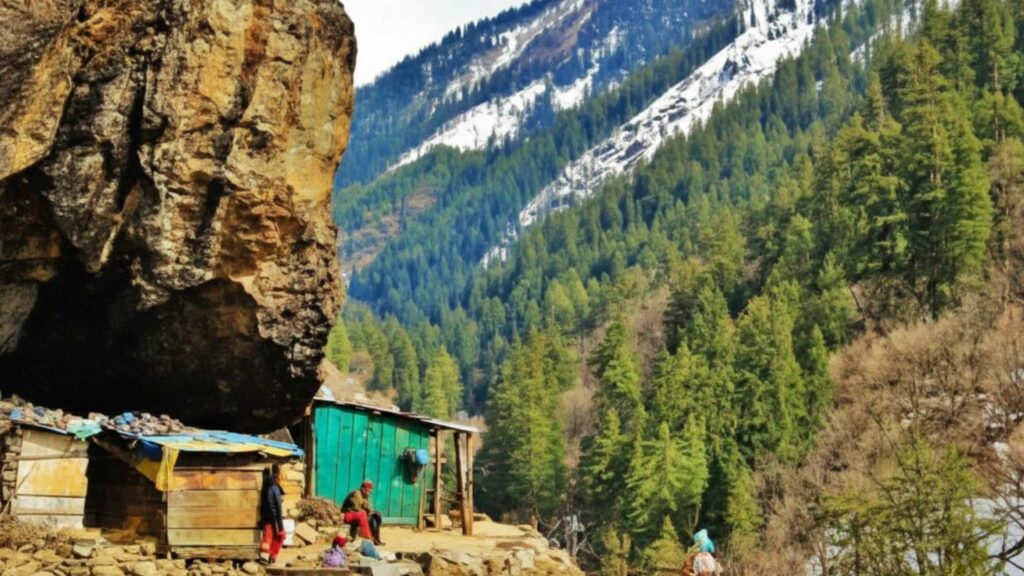
The route is simple, but locals swear by starting early to catch the morning light filtering through the pines.
Start Point: Kasol Market / Main Bridge Area
Your trek begins near Kasol’s main market area. If you’re staying in Old Kasol, walk towards the market bridge—it’s the one with shops on both sides.
Most guesthouses and cafés in Kasol are within a 5-minute walk of this starting point.
Cross the Suspension Bridge Over Parvati River
This is the landmark moment everyone talks about. The suspension bridge over the Parvati River is narrow, slightly wobbly, and absolutely worth the two minutes of mild adrenaline.
The bridge sways a bit—locals walk across chatting and smiling, but first-timers usually get anxious and need to grip the railings.
From the bridge, you get your first proper view of the Parvati River cutting through the valley below. In January, the water runs clear and is icy with frozen patches here and there. In summer, it’s a roaring turquoise rush.
Forest Trail Segment
Once you cross the bridge, the trail begins. It’s a dirt path, mostly flat with gentle inclines and dips. You’re walking through dense pine forests on one side and the Parvati River on the other.
The sound of the river is constant—locals call this stretch the “soundtrack walk.”
The trail is well-trodden, so you won’t get lost. You’ll pass small clearings where people stop for photos, a few wooden bridges crossing smaller streams, and occasional resting spots with flat rocks.
In winter, some sections near shaded bends can be slippery with moss or morning frost. Therefore, ensure you wear shoes with a good grip.
Arrive at Chalal Village
You’ll know you’ve arrived when the pine forest opens up, and you start seeing cafés with outdoor seating, prayer flags fluttering in the breeze, and that unmistakable smell of freshly baked bread.
The Freedom Cafe has become synonymous with Chalal village. Most people stop here, order food, and settle in.
The village itself extends a bit further uphill, but the café zone is where most trekkers end their walk.
Trail Difficulty, Terrain & Who Should Do It
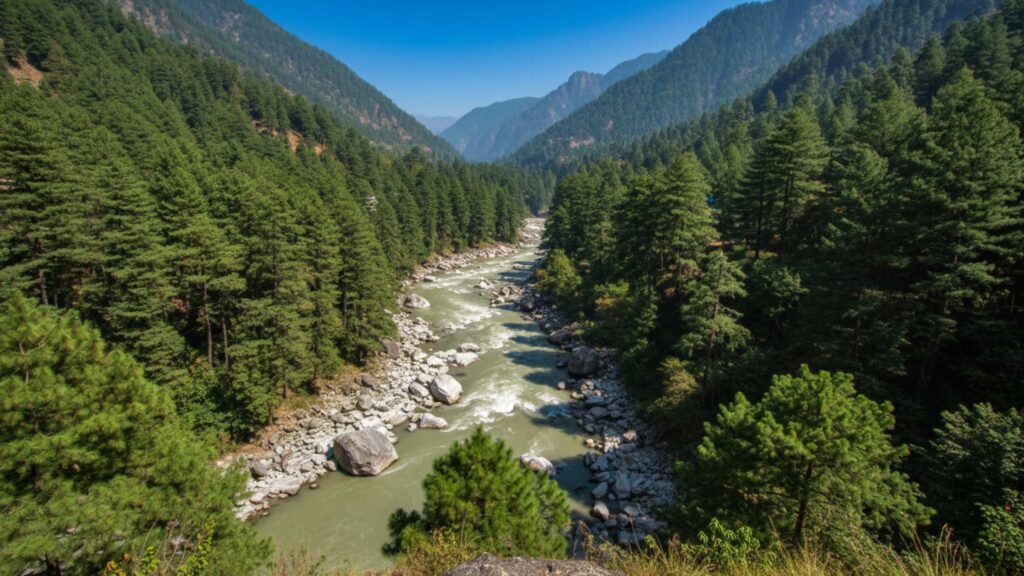
This is one of the easiest treks in Parvati Valley, but “easy” doesn’t mean you should show up in flip-flops. A trek is always a trek, so be prepared, especially if you are trying to attempt this trek in the month of January.
Difficulty: Easy / Beginner-Friendly
The Chalal trek’s difficulty rating is easy to moderate, depending on the weather conditions. On a clear summer day, it’s a cakewalk. In January, after fresh snowfall or during the monsoon, the trail becomes trickier.
There’s no steep climbing involved. The elevation gain is minimal and you’re mostly walking at a consistent altitude with minor ups and downs.
Terrain:
The terrain is a mix of dirt trails, rocky patches, and tree roots jutting out of the ground. After rain or snow, the path gets muddy and slippery near water crossings. Some stretches are narrow, especially where the trail runs close to the river edge.
In winter, expect patches of ice in shaded areas. In the monsoon, expect small water streams crossing the path.
Who It’s Perfect For
- Couples looking for a scenic, low-effort day out
- First-time hikers who want to test their trekking legs
- Families with older kids (10+ years, as younger kids might find the narrow sections tricky)
- Solo travellers who want an easy intro to Parvati Valley trails
If you’ve never trekked before, the Kasol Chalal walk is your perfect warm-up.
Best Time to Do the Chalal Trek
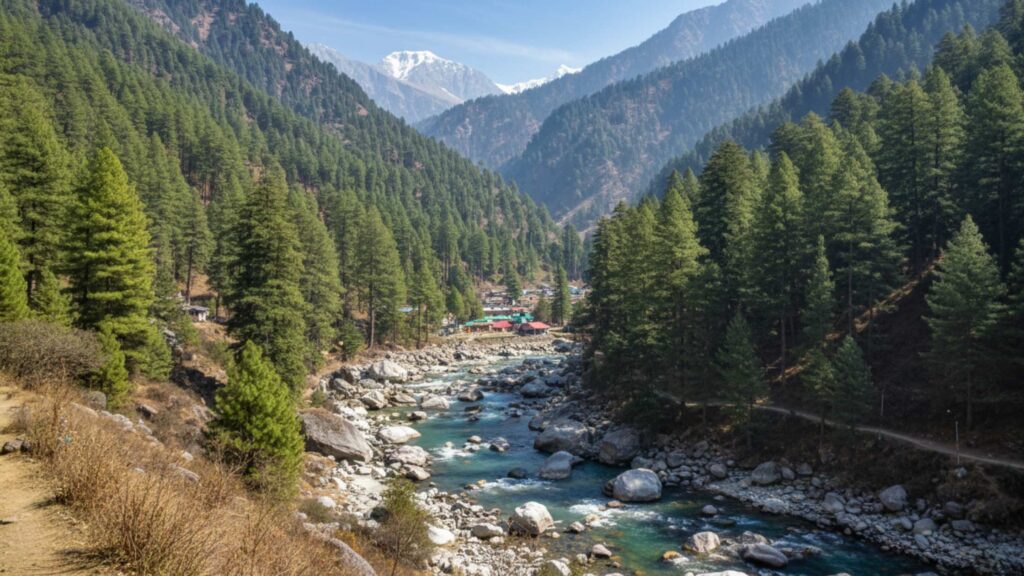
For any trek, timing matters more than you’d think.
Best Time of Day: Late Morning to Golden Hour
Start between 9:30 AM and 11:00 AM. This gives you time to reach Chalal, grab lunch, and return before dark.
The trail isn’t lit, and walking back in the dark can be disorienting. Most locals recommend starting your return by 3:30 PM in winter and 5:30 PM in summer to ensure you’re back in Kasol before sunset.
Morning trekkers get the best light—soft sunlight filtering through the pines, fewer crowds, and quieter cafés. Afternoons get busier, especially on weekends.
Winter Notes (December–February)
Winter brings its own charm and challenges. January mornings start freezing—temperatures hover around 0–5°C. By noon, it warms up to 10–15°C.
Kasol to Chalal trek in winter:
- Snow patches appear on the trail after fresh snowfall
- Mornings are icy—sections near the bridge and shaded forest bends can be slippery
- Sunset happens early (around 5:30 PM), so start early
- Cafés in Chalal light up wood-fired heaters—perfect for warming up
If you’re doing the Chalal trek in January, pack thermals, gloves, and a windproof jacket. The river wind cuts through regular jackets.
Monsoon Notes (July–September)
Monsoon transforms the trail into a green, misty wonderland—but also a slippery one. The path gets muddy, small streams swell, and the bridge can feel shakier in heavy rain.
We recommend checking weather forecasts and choosing stable weather windows. If it’s been raining for days, wait a day or two for the trail to dry out.
What You’ll See on the Way
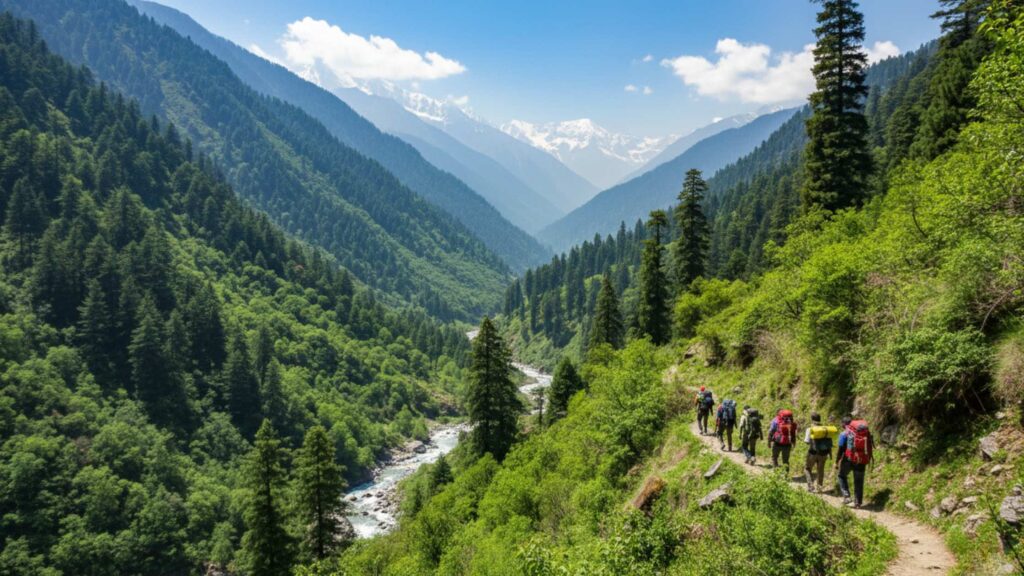
Let’s talk about what actually makes this trek special.
Parvati River & Viewpoints for Photos
The Parvati River is your constant companion. The sound of the flowing water changes depending on the season—in January, it’s a calm, steady rush; in summer post-snowmelt, it’s a roaring beast.
There are several viewpoints where the trail opens up to give you full river views. Around the 20-minute mark, there’s a flat rock outcrop on the left where locals stop for chai breaks. From here, you can see the river bending around boulders with pine-covered ridges rising on both sides.
If you’re into photography, the bridge itself is iconic—most people get their best shots here during golden hour.
Pine Forest Stretch and Calm Feeling
Once you enter the forest section, the vibe shifts. Kasol can feel crowded to some people, especially near the market. But 10 minutes into the trail, you’re surrounded by towering pines, the only sound is the river below, and the air smells like wet earth and resin.
This is the part where most people stop rushing. You’ll find yourself not racing to reach Chalal anymore, but you’ll be walking and enjoying the natural surroundings around you.
Small Resting Spots
There are natural resting spots along the way—flat rocks, fallen logs, small clearings. Most people take at least one break to hydrate, adjust shoes, or just sit and listen to the river.
Carry water. There’s no shop or stall between Kasol and Chalal.
Best Cafés in Chalal
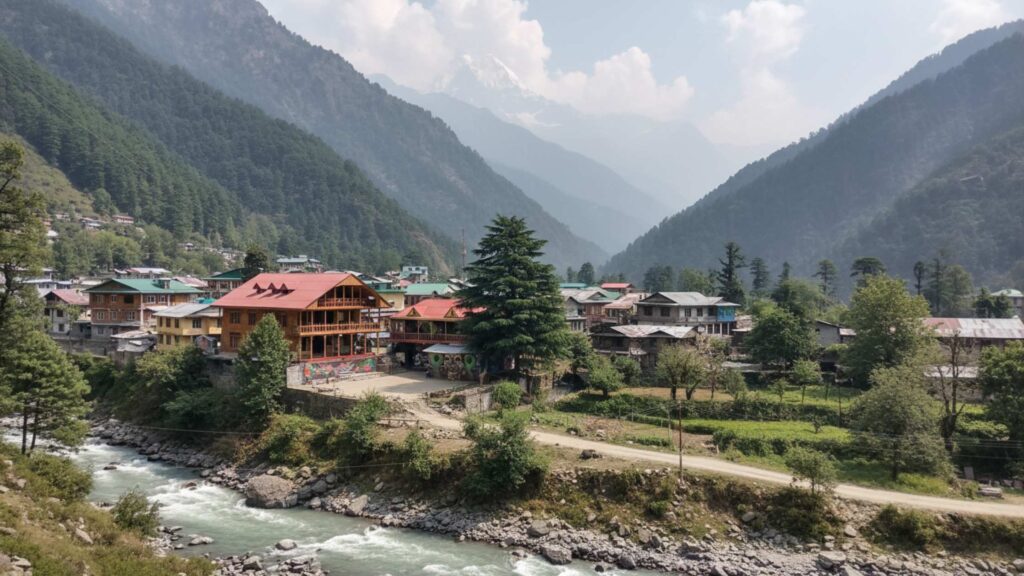
Chalal is known for its small cafés. Chalal’s café scene is the reason many people make the trek in the first place.
Chalal village is lined with small, independently-run cafés and guesthouses. Most have outdoor seating with river or valley views, wood-fired stoves, and menus mixing Israeli, continental, and Indian food.
The vibe is slow. You order, settle in, and nobody rushes you. Some cafés have hammocks, others have floor seating with cushions.
Commonly Referenced Cafés
Shanti Café (Shiva Shanti Café): This one’s tucked on the way to Chalal and has earned a reputation for its peaceful vibe. The walk through the pine-lined trail adds to the experience.
The café is cosy, colourful, with Tibetan flags fluttering nearby and soothing music. Food is simple—momos, parathas, teas—but the atmosphere is what people come for.
In Fusion Café: Located in Chalal, this spot serves Israeli and continental favourites. Expect falafel wraps, hummus plates, and fresh bread. The café has open seating with valley views, and the service is friendly.
Shiva Garden / Freedom Café: Both are popular for their laid-back, hippie vibe. Shiva Garden has outdoor seating with views of the surrounding hills, while Freedom Café is known for its pre-decided Indian thali (dal, sabzi, rice, chapatis). Simple, filling, and budget-friendly.
What to Order
Most cafés serve similar menus: Israeli dishes (shakshuka, falafel, hummus), continental (pasta, pizza, sandwiches), and Indian basics (Maggi, parathas, chai).
What locals recommend:
- Fresh chai with a plate of cookies
- Falafel wraps with mint chutney
- Wood-fired pizza (some cafés have clay ovens)
- Honey lemon tea (especially good in winter)
Expect to spend ₹150–400 per person depending on what you order.
Things to Do in Chalal

Chalal isn’t just about food.
Slow Walk Through the Village Lanes
Once you’ve eaten, take a walk through Chalal’s narrow lanes. The village is small—maybe 15–20 minutes to explore fully. You’ll see traditional wooden houses, locals going about their day, and kids playing in open spaces.
It’s quiet. There’s no traffic, no loud music. Just village life.
Riverside Photo Points
There are a few spots near the cafés where you can walk down to the riverbank. The rocks near the water are popular for photos, but be careful—they’re slippery, and the current is strong.
Locals don’t recommend going too close to the water, especially after rain or snowmelt when the river is high.
Optional: Stay a Night for a Calmer Parvati Valley Experience
If you’re not in a rush, staying overnight in Chalal is worth it. Most cafés double as guesthouses with basic rooms (₹400–₹1,000 per night). You get to experience Chalal after the day-trippers leave—quiet evenings, starry skies, and mornings without crowds.
Some travellers use Chalal as a base to explore nearby trails like Rasol or Katagla.
What to Carry

Pack light, but pack smart.
Essentials:
- Shoes with grip (trekking shoes or sturdy sneakers—no sandals)
- Water (at least 1 litre per person)
- Light snacks (energy bars, dry fruits)
- Light jacket (even in summer, valley evenings get cool)
- Power bank (for phones—cafés have charging, but it’s slow)
- Basic first-aid (band-aids, antiseptic)
- Rain cover or small poncho (if trekking during monsoon)
Winter Add-Ons (December–February):
- Gloves (mornings are freezing)
- Beanie or cap
- Thermals (if you’re trekking early or staying overnight)
- Windproof jacket
Monsoon Add-Ons:
- Waterproof shoes or rain covers for shoes
- Extra pair of socks
- Small towel
Safety and Local Etiquette
Here are a few things to keep in mind for a safe, respectful trek.
Don’t Trek Late Evening; Use Daylight
The trail isn’t dangerous, but it’s narrow in places and poorly lit. Start early enough to return before dark. In winter, aim to start your return by 4:30 PM. In summer, 5:30 PM is safe.
If you do get stuck after dark, use your phone torch and stick to the main path. Most locals are familiar with the route and can guide you if needed.
Keep the Trail Clean; Carry Back Waste
Chalal and the trail are still relatively clean, but littering is becoming an issue. Carry a small plastic bag for wrappers, bottles, and any waste. Many cafés have dustbins; use them.
Respect the river. Don’t throw anything into the Parvati, and avoid washing or bathing in the river.
Stay Respectful in Village Areas; Avoid Loud Music
Chalal is a village first, tourist spot second. The locals are friendly and welcoming, but loud music, shouting, or disruptive behaviour isn’t appreciated. Keep noise levels down, especially near homes and in the evening.
If you’re visiting cafés, remember that many are family-run. Treat them with respect.
Kasol–Chalal Mini Itineraries

Here are three ways to plan your Chalal experience.
Plan A (2–3 Hours): Quick Trek + Café Lunch + Return
Timeline:
- 10:00 AM: Start from Kasol
- 11:45 AM: Reach Chalal, order lunch
- 12:30 PM: Finish meal, explore village
- 1:30 PM: Start return trek
- 2:15 PM: Back in Kasol
This works for travellers short on time or those doing the trek as a warm-up before bigger hikes.
Plan B (Half-Day): Slow Pace + Café Hopping + Sunset + Return
Timeline:
- 9:30 AM: Start from Kasol
- 10:30 AM: Reach Chalal, breakfast at Shanti Café
- 12:00 PM: Walk through village
- 1:00 PM: Lunch at In Fusion Café
- 3:00 PM: Relax by the river
- 4:30 PM: Start return trek
- 5:30 PM: Back in Kasol
This is the most popular option. You get the full Chalal experience without rushing.
Plan C (Overnight): Chalal Stay + Morning Quiet Walk + Back to Kasol
Timeline:
- Day 1: Trek to Chalal in the afternoon, check into a guesthouse, explore cafés, evening bonfire or music
- Day 2: Early morning walk through the village, breakfast, pack up, return to Kasol by 11 AM
Staying overnight lets you experience Chalal’s calm mornings when the day-trippers haven’t arrived yet.
FAQs
How long is the Kasol to Chalal trek?
The Kasol to Chalal trek is approximately 2 km one-way and takes 30–60 minutes depending on your pace. Most people complete it in 45 minutes with photo stops.
What is the Kasol to Chalal trek distance?
The distance from Kasol to Chalal is roughly 2–2.5 km. The exact distance varies slightly depending on your starting point in Kasol, but from the main market bridge to Chalal cafés, it’s about 2 km.
Is the Chalal trek difficult or beginner-friendly?
The Chalal trek is beginner-friendly and rated easy. The trail is mostly flat with gentle ups and downs.
How much time does it take to reach Chalal village from Kasol?
It takes 30–60 minutes to reach Chalal from Kasol on foot if you walk at a steady pace without many stops.
Where does the Chalal trek start in Kasol?
The Chalal trek starts near Kasol’s main market area. You’ll cross the suspension bridge over the Parvati River—this is your official starting point. Most guesthouses and cafés in Kasol are within 5 minutes of this bridge.
Is the Kasol–Chalal trek safe for couples/solo travelers?
Yes. The trail is well-trodden, and you’ll see other trekkers along the way. Start early, stay on the main path, and return before dark.
Can we do the Chalal trek in winter / January?
Yes, but be prepared for cold mornings (0–5°C) and possible snow patches on the trail. Some sections can be icy. Wear shoes with grip, carry warm layers, and start early to return before sunset (around 5:30 PM).
Can kids do the Kasol to Chalal trek?
Kids aged 10+ with basic fitness can do the Kasol to Chalal trek. The trail is short and mostly flat, but some sections are narrow and close to the river edge.
What are the best cafés in Chalal village?
Some of the best cafés in Chalal include Shanti Café (Shiva Shanti Café) for its peaceful vibe, In Fusion Café for Israeli food, Shiva Garden for valley views, and Freedom Café for simple Indian thalis.
Can we stay in Chalal village overnight?
Yes, many cafés in Chalal double as guesthouses offering basic rooms for ₹400–₹1,000 per night. Options include Shanti Café, Maya Guest House, and Moksha Hotel.
What should I carry for the Chalal trek?
Carry shoes with grip, at least 1 litre of water, light snacks, a light jacket, power bank, basic first-aid, and a rain cover if trekking during monsoon. In winter, add gloves, a beanie, and thermals.
What is the best time of day to do the Chalal trek?
The best time to do the Chalal trek is late morning between 9:30 AM and 11:00 AM. This gives you time to reach Chalal, explore cafés, and return before sunset.
In winter, start your return by 4:30 PM as the trail gets dark early.
Final CTA
Want a full Kasol–Chalal day plan with stay suggestions, transfers, and café recommendations?
Send us your travel dates and we’ll help you plan the perfect Parvati Valley experience; whether it’s a quick day trek or a multi-day exploration.
We’re local operators who know every trail, every café, and every quiet corner worth finding.