
Last updated: 14 July 2026
Baralacha Pass in July is one of the best high-altitude road experiences you can have starting from Manali. You are at around 16,040 feet, standing between the green Lahaul Valley and the dry, Ladakh-like terrain ahead, with dark rocky mountains on every side and Suraj Tal glowing blue just below the pass.
But here is what most tourists get wrong. They treat Baralacha like a snow point. They drive up, take selfies near whatever snow is left, and rush back. What they miss is that the real experience is the entire drive from Jispa onward, the high-altitude lakes, the silence, and the landscape shifting from green to brown right in front of you. The pass is the climax, not the whole movie.
In our experience planning Manali-Leh and Lahaul trips year after year, July is when this route feels most alive. The road is open, the worst of the early-season slush has settled, and you actually get to enjoy the drive instead of fighting it.
Quick Answer: Is Baralacha Pass Good in July 2026?
July is usually one of the most reliable months for visiting Baralacha Pass. The Manali-Leh highway is normally open by this time, the road has settled after early-season clearance, and snow patches may still be visible near the top, especially in early July.
For 2026 specifically, BRO restored the Manali-Leh highway on May 12, 2026 after a 42-day clearance operation that started on March 27, 2026. The Darcha to Sarchu stretch through Baralacha reopened for light motor vehicles in May 2026. So July 2026 falls well within the normal open season.
That said, high-altitude weather can change quickly. Monsoon moisture can trigger landslides or temporary closures on approach roads. Always verify same-week road advisories before you leave.
If you want a quick check on current conditions, talk to our team on WhatsApp and we will give you the real picture.
Is Baralacha Pass Open in July 2026?
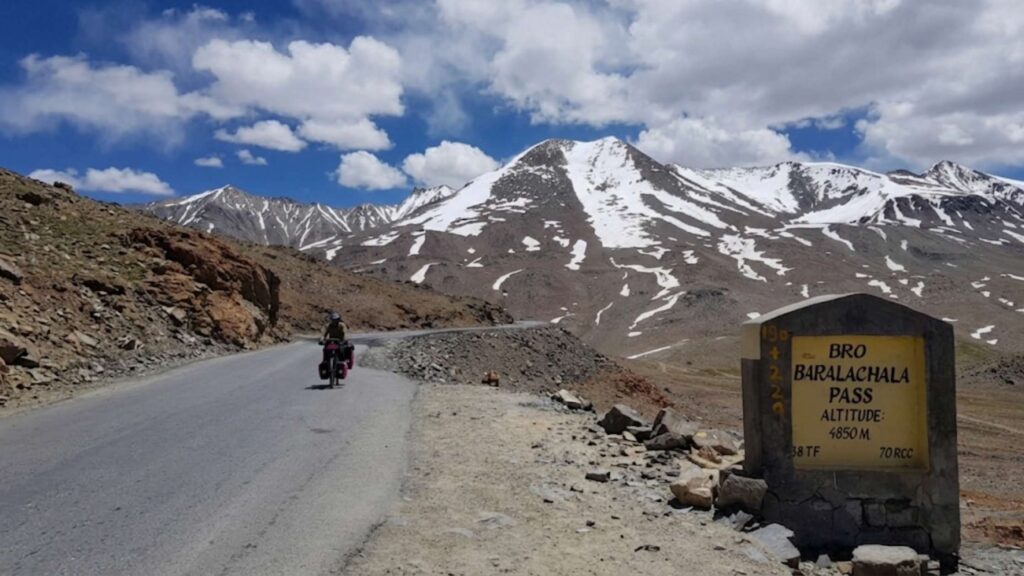
Yes. As of 14 July 2026, the official Lahaul-Spiti road-status page lists the Manali–Keylong and Keylong–Leh routes as open. However, travellers should check the latest road update before departure because rain, water crossings and roadwork can temporarily affect movement.
BRO began snow clearance on the Manali-Leh highway on March 27, 2026 and completed restoration by May 12, 2026, a 42-day operation. The highway had been officially closed since November 20, 2025 due to winter conditions.
The Darcha–Sarchu section, which includes Baralacha Pass, initially reopened for light motor vehicles in May 2026. Vehicle restrictions may change during the season, so travellers should check the latest district administration or police advisory before departure.
The typical open season for this route runs from roughly late May or early June through September or early October, depending on snowfall and weather. July sits comfortably in the middle of that window.
But “open” on a highway status update and “smooth” on the actual road are two different things. After Jispa, the terrain gets rough. Snowmelt streams cross the road, gravel sections appear without warning, and the weather at 16,000 feet does not care about your itinerary. Check the BRO and district administration updates in the same week you plan to travel. Do not rely on a status update from three weeks ago.
What Is Baralacha Pass Like in July?
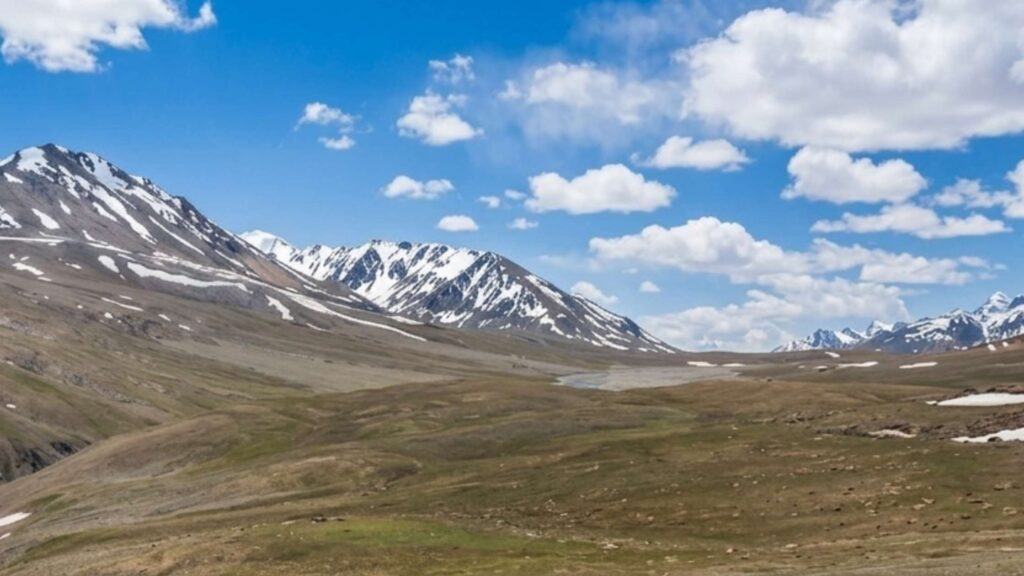
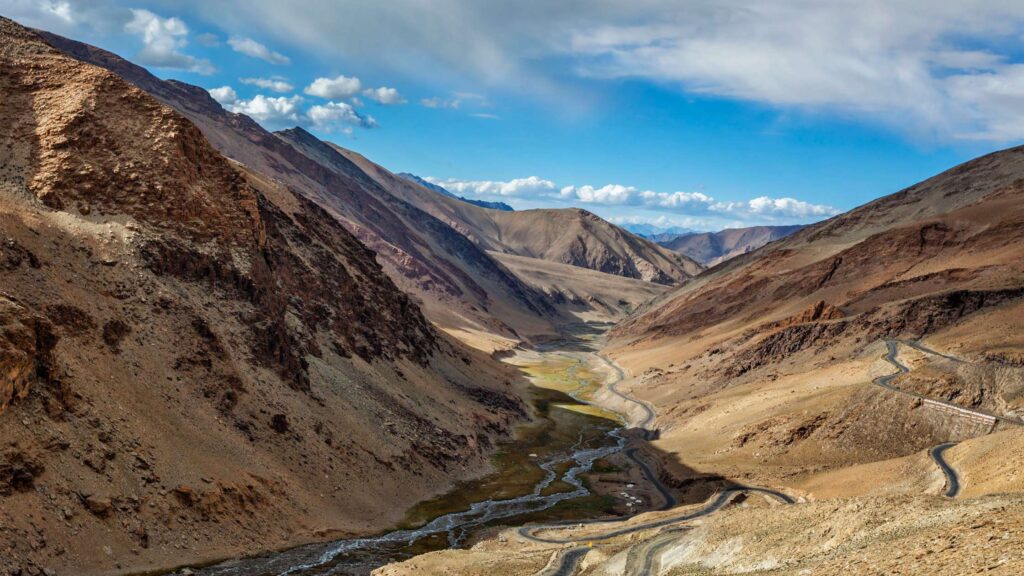
Imagine driving for hours through the green Lahaul Valley, crossing rivers and small villages, and then the greenery slowly disappears. The trees thin out after Jispa. Past Darcha, you are in a world of rock, gravel, and sky.
The road climbs through Zingzing Bar, a flat stretch that feels like driving across the roof of the world. Then you pass Deepak Tal, a small, still lake sitting right beside the road. A little further, Suraj Tal appears below you, a deep blue lake at around 16,000 feet that marks the source of the Bhaga River. The Chandra and Bhaga rivers meet downstream at Tandi to form the Chenab.
At the pass itself, the landscape is brown, grey, and cold. Wind hits hard. The air feels thin. You can see snow patches on the slopes, especially in early July. By late July, more of the snow has melted and the driving conditions are comparatively steadier, but the cold and wind remain.
This is not a lush green valley. It is stark, exposed, and beautiful in a way that makes you feel very small. That feeling is the whole point. If you want to understand the full journey, our Manali to Leh road trip guide covers every key stop along the highway.
Can You See Snow at Baralacha Pass in July?
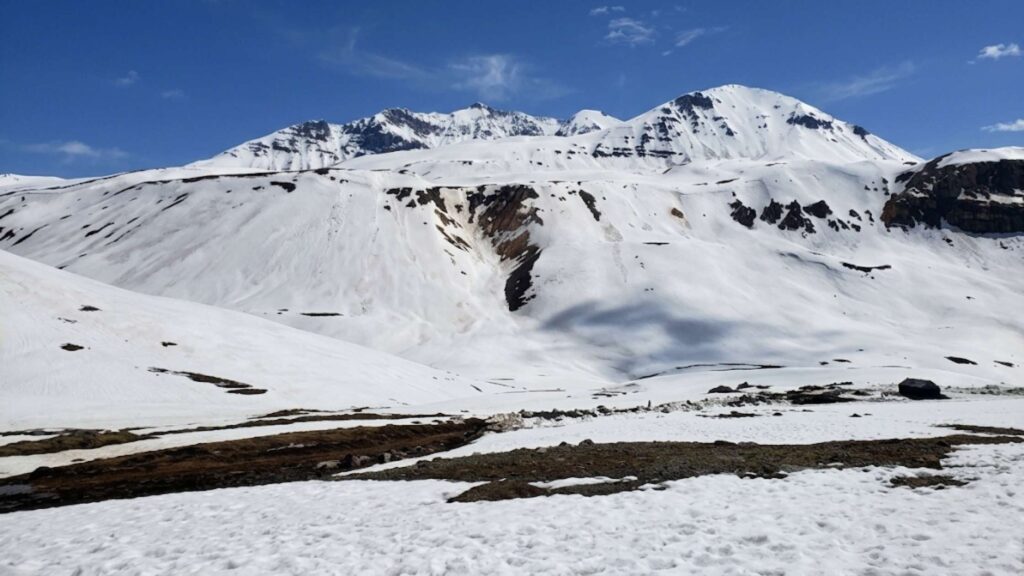
Yes, snow patches and snow walls are possible in July, especially in the first two weeks of the month.
In early July, remnant snow from winter clearance is usually still visible along the road shoulders and on the slopes near the top. Some years, snow remains around Baralacha until August.
Late July typically has less snow. The warmer temperatures melt most of the roadside patches, though shaded slopes and higher ridges may still hold snow.
One honest warning: do not plan a Baralacha trip only for “playing in snow.” The snow at 16,000 feet is not the soft, fluffy kind you find at Rohtang or Solang. It is hard, icy, and sits on exposed terrain with biting wind. If you have read our guide on where to find snow near Manali in April and May, you will know that even lower altitude snow points can be deceiving. At Baralacha, the altitude and lack of oxygen make it a safety concern if you spend too long outside without proper gear.
Snow is a bonus here, not the main attraction. The landscape, the lakes, and the drive are the real reward.
What Is the Weather and Temperature at Baralacha Pass in July?
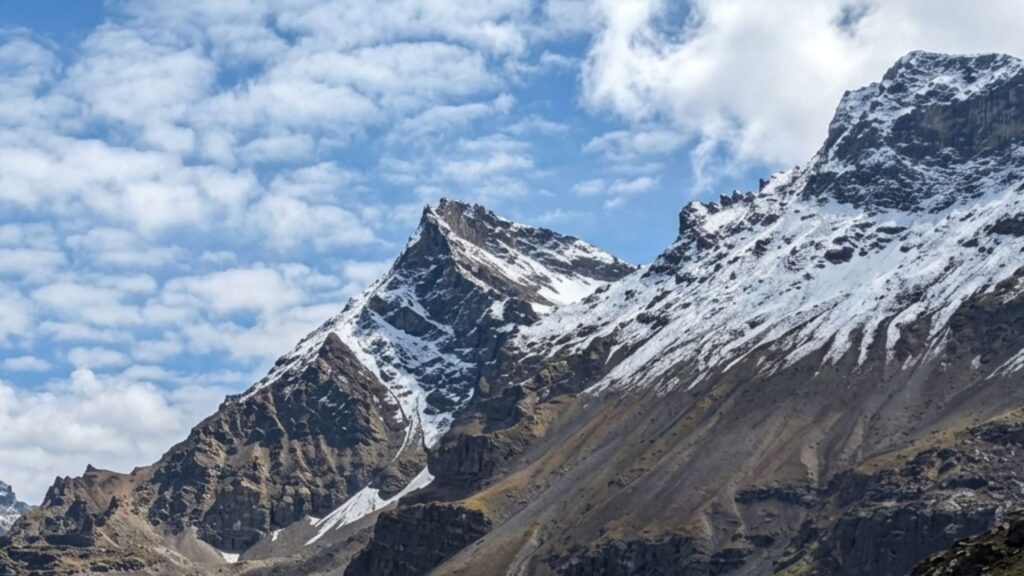
Do not let the word “July” fool you into packing light. Baralacha Pass weather in July is nothing like July in the plains or even July in Manali.
Daytime temperatures at the pass can range from around 5°C to 15°C, depending on sun, wind, and cloud cover. When the sun is out and the wind is calm, it feels manageable. The moment clouds roll in or the wind picks up, it gets cold fast.
Nights are colder. If you are staying anywhere near the higher altitudes, like Sarchu or Zingzing Bar, expect temperatures to drop below freezing. Some sources report ranges of 3°C to minus 10°C even during the June to July window.
Wind chill is the factor people forget. At 16,000 feet with nothing blocking the wind, a 10°C reading can feel like zero. Our drivers always say the same thing: “Manali mein garmi lagti hai, Baralacha pe thand maarti hai.” Feels like summer in Manali, feels like a slap in Baralacha.
You need layered clothing, gloves, a woollen cap, sunglasses, and high SPF sunscreen. The UV exposure at this altitude is intense even on cloudy days. Your skin will burn before you realise it.
Latest weather update for July 2026: The IMD forecast issued on 14 July predicts increased rainfall activity in Himachal Pradesh from 17 to 20 July. Strong winds of around 30–40 km/h may also affect Lahaul-Spiti from 18 to 20 July. Travellers should check the same-day weather forecast and start their journey early.
How Is the Road Condition to Baralacha Pass in July?
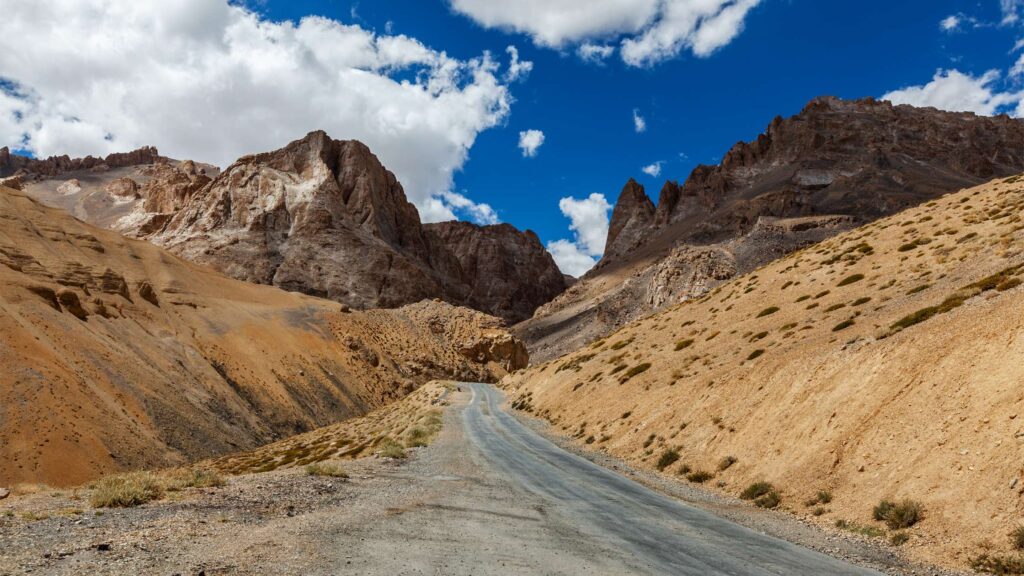
The route from Manali to Baralacha Pass follows this sequence: Manali → Atal Tunnel → Sissu → Tandi → Keylong → Jispa → Darcha → Zingzing Bar → Baralacha Pass.
The first section is easy. The Atal Tunnel cuts through to the Lahaul side in about 15 minutes, saving hours compared to the old Rohtang route. If you are curious about the tunnel experience itself, our Atal Tunnel guide covers it in detail. From the tunnel exit to Sissu and onward to Keylong, the road is decent and mostly paved.
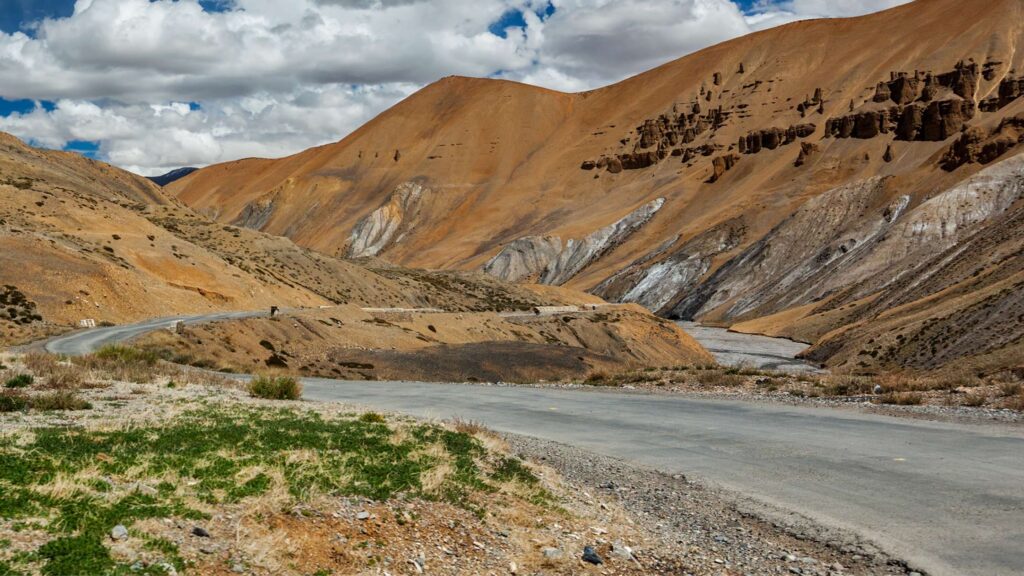
After Keylong, things start changing. The stretch through Jispa is still reasonable, but past Darcha, the real mountain road begins. You will encounter rough patches, loose gravel, snowmelt streams crossing the road, broken edges, and sections where BRO is still doing repair work.
The Zingzing Bar section can have slush in early July. Water crossings are common near Pagal Nala and other streams. Some stretches have no railing, no marking, and barely enough width for two vehicles to pass.
Our standard advice for this route: start early, never drive after dark, and if you are not experienced on Himalayan roads, hire a local driver. This is not a highway in any normal sense of the word after Darcha.
How Far Is Baralacha Pass from Manali, Jispa and Keylong?
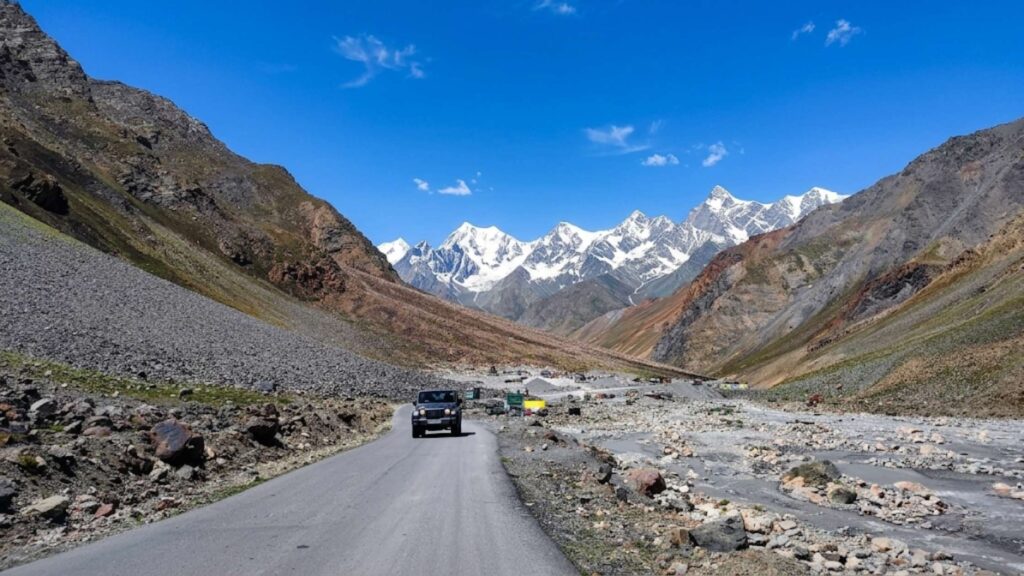
Manali to Baralacha Pass
Baralacha Pass is approximately 145–150 km from Manali via the Atal Tunnel. The journey usually takes around 5–7 hours one way, but it may take longer because of traffic, water crossings, roadwork and sightseeing stops.
Keylong to Baralacha Pass
It is around 73 to 75 km. This stretch takes roughly 3 to 4 hours because the road quality drops significantly after Jispa.
Baralacha Pass to Leh
It is around 282 km for travellers continuing on the Manali-Leh highway.
These are rough figures. The actual time depends on the day’s road conditions, whether BRO is doing active repair work on any section, and how many streams are flowing across the road. Always check live maps and local road status before you leave. Google Maps time estimates are unreliable for this route because they do not account for road quality or altitude stops.
Can You Visit Baralacha Pass as a Day Trip from Manali in July?
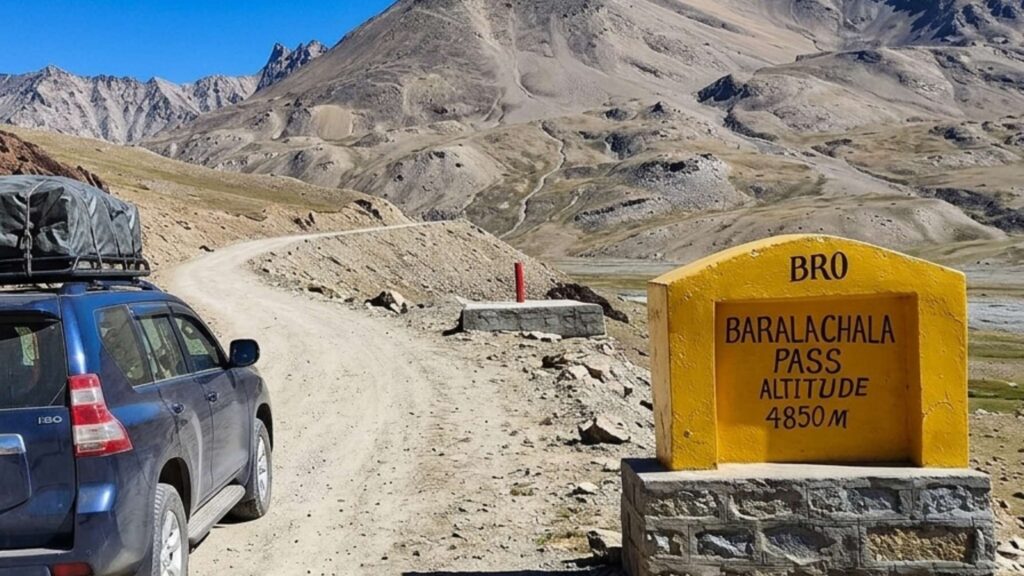
Yes, but it is a long, tiring day. We will be honest: we do not recommend it for most travellers, but we know people do it.
If you want to attempt it, start from Manali by 5 AM or 6 AM at the latest. You drive through the Atal Tunnel, continue past Sissu, Tandi, Keylong, and Jispa, and push through Darcha and Zingzing Bar to the pass. Keep your halt at Baralacha short, maybe 30 to 45 minutes max, because altitude can hit you fast when your body has gone from 2,000 metres in Manali to nearly 5,000 metres in a few hours.
The return drive is the same route. You should aim to be back in Manali before dark.
Here is the money-saving tip most guides will not give you: if you hire a taxi for this day trip, negotiate the fare before you leave, not at Baralacha when you are tired and the driver knows you have no other option. Taxi fares for Manali to Baralacha vary wildly, roughly ₹6,000 to ₹22,000 depending on vehicle type, season, and operator. An SUV will cost more but handles the road far better.
For families, kids, elderly travellers, or anyone doing this for the first time, skip the day trip. Stay a night at Jispa or Keylong instead. It is safer, more enjoyable, and your body will thank you for the acclimatisation time. Our family tour packages include paced itineraries that build in proper rest days for exactly this reason.
Where Should You Stay Before or After Baralacha Pass?
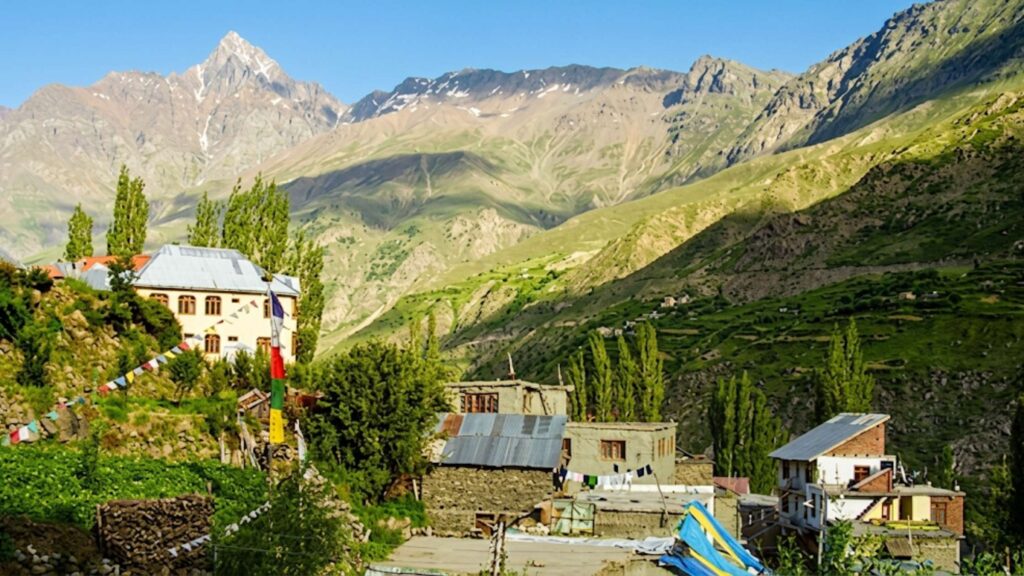
There are no hotels, dhabas, or any facilities at Baralacha Pass itself. You need to plan your stay at one of the settlements along the route.
Jispa
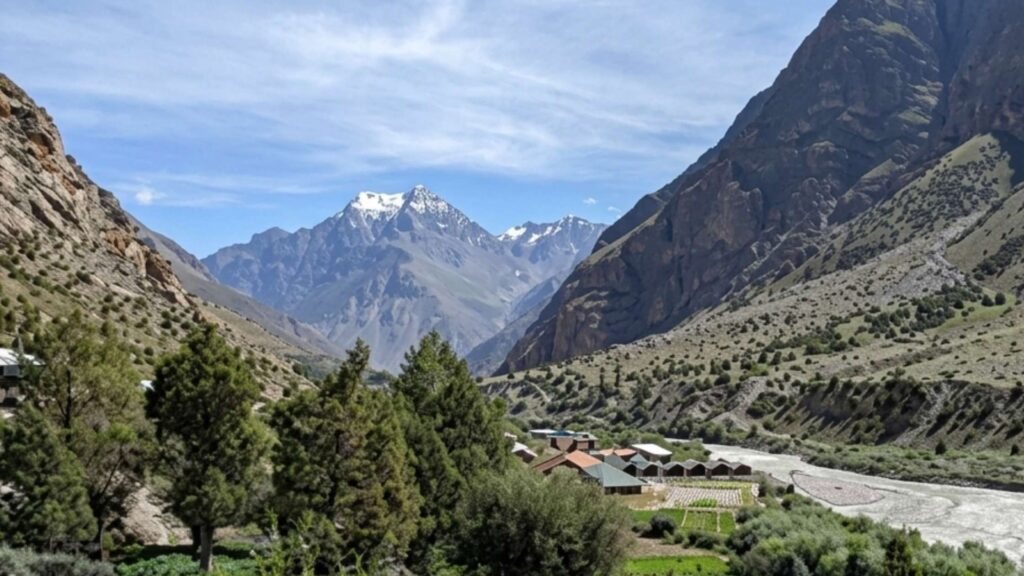
Jispa is our top recommendation. It is lower than Baralacha Pass and Sarchu, making it a better overnight stop for gradual acclimatisation. However, Jispa is still above 3,000 metres, so some travellers may experience altitude symptoms. The drive from Jispa to the pass is manageable in one morning, which means you arrive rested and acclimatised.
Keylong
It has better infrastructure than Jispa. You will find more food options, a hospital, ATMs, and phone network. It is a good base for travellers who prefer a proper town with facilities.
Sissu
It works for travellers who want a lighter Lahaul experience without necessarily pushing all the way to Baralacha. It is a gorgeous valley stop with waterfalls and apple orchards, and if you are combining Lahaul with other Manali activities, a Sissu day trip fits easily into most itineraries.
Sarchu
It is only for travellers continuing toward Leh. It sits at high altitude on the other side of Baralacha and is a common overnight stop on the Manali-Leh highway. Do not stay at Sarchu unless you are prepared for altitude effects and very basic tent accommodation.
The small dhaba at Zingzing Bar is the last place you will find chai and a plate of Maggi before the pass. In our experience, stopping here for 15 minutes with a hot cup of chai makes the remaining climb to Baralacha much more enjoyable. The guy running it knows every traveller’s question before they ask it.
Do You Need a Permit for Baralacha Pass in July?
No separate Baralacha Pass entry fee or dedicated Baralacha permit is reported by any travel source we track. You do not buy a ticket at the pass.
There is no separate permit specifically for Baralacha Pass. However, vehicles entering Lahaul and Spiti must apply through the official e-Aagman portal. An e-permit is required for the Atal Tunnel–Rohtang–Koksar–Chandratal circuit, while an e-ticket is required for other destinations.
If your journey includes visiting Rohtang Pass, you must obtain a separate Rohtang Pass permit from the official permit portal. Check both official portals before travelling, as rules and road conditions may change during the season.
Is Baralacha Pass Safe in July for Families, Bikers and Self-Drive Cars?
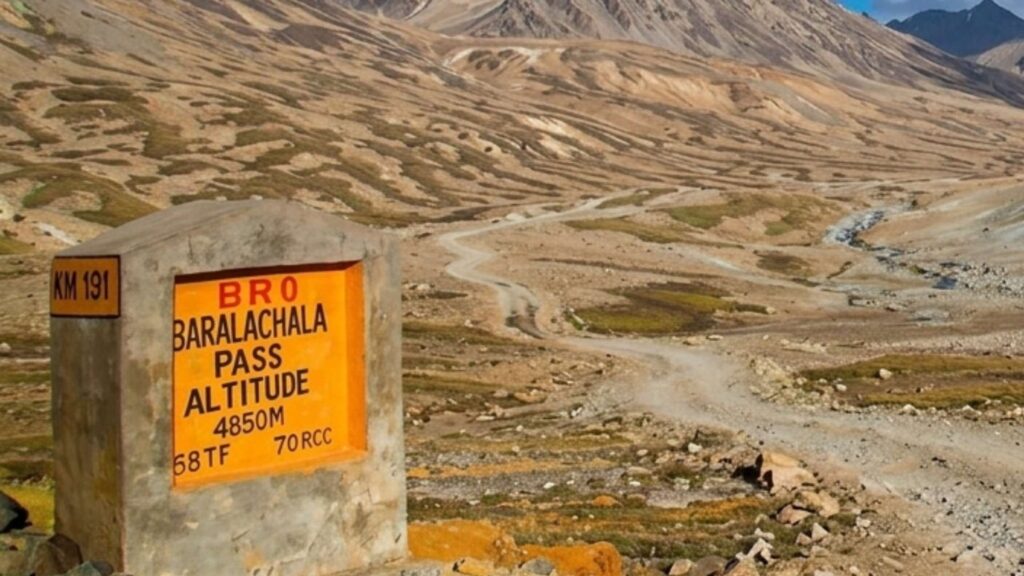
July is one of the more practical months for Baralacha, but “practical” does not mean “easy.” The pass sits at around 16,040 feet. That altitude demands respect regardless of who you are.
For families and elderly travellers
The altitude is the biggest concern. Low oxygen at 16,000 feet can cause headaches, nausea, dizziness, and breathlessness, even in people who are otherwise fit. Keep your halt at the pass short. Do not let excitement make you stay longer than your body allows. Travel slowly, spend a night at Jispa or Keylong for gradual acclimatisation, and drink water regularly without forcing excessive amounts. Families with very young children or elderly members with heart or breathing conditions should seriously reconsider whether Baralacha is the right choice.
For bikers
July is a popular month for the Manali-Leh bike trip, and Baralacha is part of that route. Waterproof gloves, layered riding gear, and an early morning start are non-negotiable. The wind at the pass can make a bike feel unstable. Snowmelt streams crossing the road can be slippery. Never ride this stretch after sunset. If you are coming from Manali and heading to Leh, pace yourself. Our team has seen too many riders push through Baralacha to Sarchu without breaks and end up sick by evening. If you are looking at the full Manali to Leh experience, our Manali Leh Ladakh tour packages include driver support so you can ride without worrying about logistics.
For self-drive cars
Higher ground clearance is better for the road after Darcha. An SUV such as a Thar, Bolero, Fortuner or Gurkha is more suitable, but water crossings, loose stones and damaged road sections can still be difficult for any vehicle. A sedan can make it if the road is in good shape and the driver is experienced, but one bad water crossing or deep pothole can ruin the trip. We do not recommend sedans for this route unless you have confirmed the current road condition is unusually good.
One scam warning worth knowing: some taxi operators in Manali will quote you for an Innova or Ertiga and then insist you need to “upgrade” to an SUV at the last minute for a higher price. Decide your vehicle before you pay, and get it in writing.
For everyone
There is no medical facility at the pass. There is no fuel. There is no food. Mobile network is patchy to nonexistent. If someone in your group develops symptoms of altitude sickness, like confusion, severe headache, or persistent vomiting, turn around and descend immediately. Do not wait it out at altitude.
What Should You Pack for Baralacha Pass in July?
Pack for cold, wind, sun, and no help for 100 km in any direction. That is the reality at Baralacha.
Start with a warm jacket, either a proper down jacket or a heavy fleece. Add a thermal layer underneath, both top and bottom. Carry gloves, a woollen cap or balaclava, and a windproof outer layer. Sunglasses with UV protection and sunscreen with high SPF are not optional. The sun at 16,000 feet will burn your skin and hurt your eyes even through clouds.
Carry water, dry snacks such as nuts and biscuits, ORS packets and your regular medicines. Consult a doctor before carrying or taking medicines specifically for altitude sickness, nausea or other high-altitude symptoms. A fully charged power bank is a must because there are no charging points on the route after Keylong. Download offline maps before you leave because your phone will not have signal for most of the drive past Jispa.
Keep your ID proof and cash ready. ATMs do not exist after Keylong, and dhabas on this route do not accept UPI or cards.
If you are driving, carry a spare tyre, a basic puncture kit, and plan your fuel carefully. The reliable fuel station on this route is at Tandi, approximately 65 km from Manali via the Atal Tunnel. Fill your tank in Manali and top it up again at Tandi before continuing towards Baralacha Pass.
What we always tell our travellers: the single biggest mistake is underpacking warm clothes because “it is July.” July at 16,000 feet and July in Delhi are different planets. Carry one more warm layer than you think you need.
Suggested Baralacha Pass Itinerary for July 2026
1-Day Manali to Baralacha and Back
Start Manali at 5 AM or 6 AM. Drive through the Atal Tunnel, continue past Sissu, stop briefly at Tandi to refuel, push through Keylong and Jispa, then drive past Darcha and Zingzing Bar.
Stop at Deepak Tal for a quick photo. Continue to Suraj Tal, which is the real highlight, a deep blue lake sitting just below the pass. Reach Baralacha Pass, take your photos, feel the cold, and start heading back.
Keep the halt at the pass to 30 to 45 minutes. Return via the same route and aim to reach Manali before dark. This is a 14 to 18 hour day including breaks. It is doable, but exhausting.
2-Day Relaxed Lahaul and Baralacha Plan
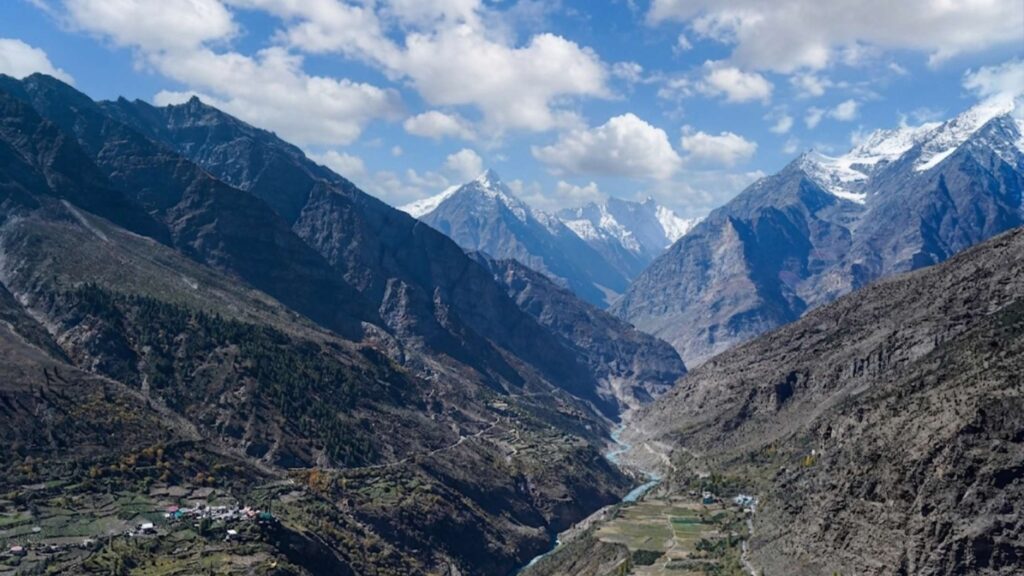
Day 1: Drive from Manali through the Atal Tunnel. Take your time through the Lahaul Valley. Stop at Sissu for the waterfall and views. Continue to Tandi and then Keylong. If time allows, push to Jispa for the night. Stay at a guesthouse or camp in Jispa.
Day 2: Start early from Jispa. Drive through Darcha and Zingzing Bar. Visit Deepak Tal and Suraj Tal. Reach Baralacha Pass, spend time, and return to Jispa or Keylong. Or continue to Sarchu if your larger plan is heading to Leh.
This is the version we recommend for most travellers. You get proper rest, your body adjusts to the altitude overnight, and you actually enjoy the drive instead of racing against the clock.
Send us your dates and group size on WhatsApp and we will put together a plan that fits your pace and budget.
Manali to Leh via Baralacha
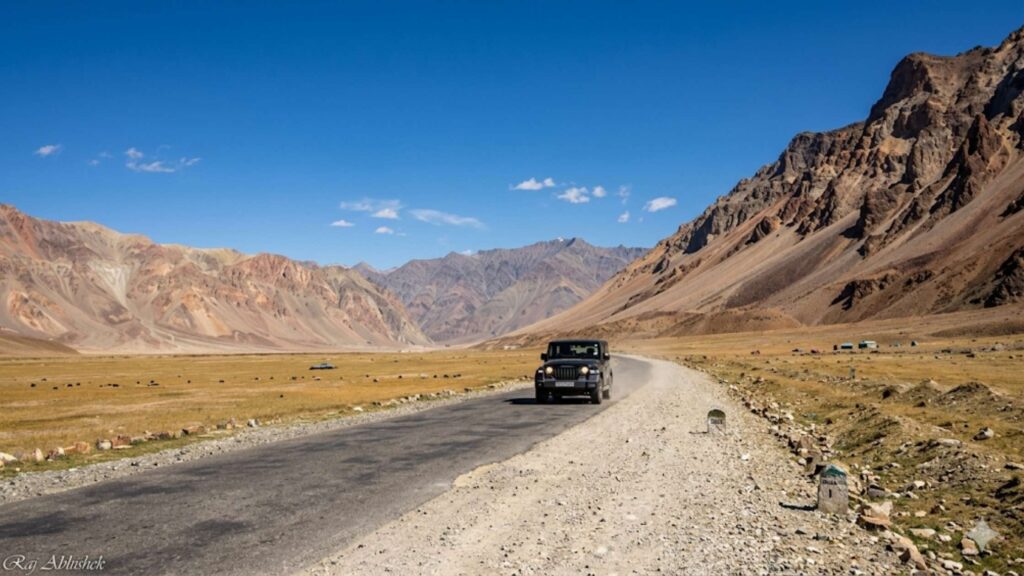
Baralacha Pass sits on the Manali-Leh highway, between Zingzing Bar and Sarchu. If you are doing the full Manali to Leh road trip, you will cross Baralacha as part of the journey.
Do not try to cover Manali to Leh in one day if this is your first time. The altitude gain is too fast and the road is too long. The common pattern is to break the journey at Jispa or Sarchu, depending on your acclimatisation and how you are feeling.
From Sarchu, the highway continues through Gata Loops, Lachalung La, Pang, and More Plains before reaching Leh. That is another full day of driving through some of the most dramatic terrain in India.
If you are planning the full highway experience, our Manali Leh Ladakh packages include local drivers, planned altitude stops, and stays that actually make sense for the route. We have sent hundreds of travellers on this road and the feedback is always the same: the ones who rushed regretted it, the ones who took an extra day loved it.
Common Mistakes to Avoid at Baralacha Pass in July
Starting late from Manali
If you leave Manali at 9 or 10 AM, you will reach the rough sections past Darcha when daylight is fading. That is dangerous. Start by 6 AM, no exceptions.
Spending too long at the pass
The excitement of reaching 16,040 feet makes people lose track of time. The longer you stay at this altitude without acclimatisation, the worse you will feel. Keep it to 30 to 45 minutes and descend.
Ignoring AMS symptoms
Headache, nausea, and dizziness are your body telling you something. If anyone in your group has these symptoms and they are getting worse, go down immediately. Do not wait for them to “adjust.”
Going without fuel planning
The nearest fuel after Tandi is very far. If you forget to fill up, you will be stuck on a road with no help and no phone signal. Fill your tank in Manali and top up at Tandi.
Trusting only Instagram reels for road status
A reel from last week does not tell you what the road looks like today. One landslide can change everything overnight. Check BRO updates and local sources the morning you leave.
Not checking weather before departure
A clear sky in Manali means nothing for conditions near Baralacha. Rain on the Manali side can trigger landslides between Darcha and the pass.
Taking elderly travellers without acclimatization
Driving someone from Delhi or Chandigarh straight to 16,000 feet in two days is dangerous. Spend at least one night at a mid-altitude point.
Assuming July means no danger
July is one of the better months, but the monsoon can still disrupt approach roads. A blocked road at Pagal Nala can hold you up for hours. Always carry extra food, water, and patience.
Final Verdict: Should You Visit Baralacha Pass in July 2026?
Yes. July is a strong month for Baralacha Pass. The highway is open, the road has settled after early-season clearance, snow patches are still visible for those who want them, and the lakes, Suraj Tal and Deepak Tal, look their best.
But Baralacha is not a casual picnic spot. It sits at 16,040 feet with no facilities, no network, and no room for carelessness. If you plan it right, start early, carry proper gear, respect the altitude, and build in rest time, it will be one of the most striking landscapes you will ever stand in.
For first-timers and families, a 2-day plan with a night at Jispa is the smart approach. For experienced road trippers heading to Leh, Baralacha is simply one of the best sections of the entire highway.
If you are not sure how to fit Baralacha into your July plans, or if you want someone local to handle the vehicle, stays, and logistics, talk to our team on WhatsApp. We know this road well. We drive it every season.
If you are also considering the Spiti side of the mountains, our Manali Spiti Valley packages cover the Lahaul stretch and pair well with a Baralacha stop.
Frequently Asked Questions
Is Baralacha Pass open in July?
Yes. The Manali-Leh highway, which includes Baralacha, is normally open by late May or early June and stays open through September or early October. July falls in the most reliable part of the open season. In 2026, BRO restored the highway by May 12, so July access is expected to be normal.
Can we see snow at Baralacha Pass in July?
Snow patches and snow walls are possible, especially in early July. Late July has less snow as warmer temperatures melt roadside patches. Fresh snowfall in July is rare but not impossible. Do not plan the trip only for snow.
Is July better than June for Baralacha Pass?
For most travellers, yes. In June, especially early June, the road may still have fresh slush, unstable sections, and active BRO clearance work. By July, the road is more settled, camps along the route are operational, and driving conditions are steadier. June is better if you specifically want heavier snow and do not mind road uncertainty.
What is the temperature at Baralacha Pass in July?
Daytime temperatures can range from around 5°C to 15°C, depending on sun and wind. Nights at nearby stops like Sarchu or Zingzing Bar can drop below freezing. Wind chill makes it feel much colder than the thermometer shows. Always pack for near-zero conditions.
Is Baralacha Pass safe in July?
It is as safe as a 16,000-foot pass can be. The main risks are altitude sickness, unpredictable weather, rough roads, and the absence of medical facilities. Travel with proper preparation, keep halts short, and descend if AMS symptoms appear. July is one of the safer months, but no high-altitude pass is risk-free.
Can I take my own car to Baralacha Pass?
Yes, but a vehicle with high ground clearance handles the route much better. SUVs like Thar, Bolero, Fortuner, or Gurkha are ideal. The road after Darcha has rough patches, water crossings, and loose gravel that low-clearance cars struggle with.
Can a sedan go to Baralacha Pass?
It depends on current road condition and driver skill. In a good year with dry weather, an experienced driver in a sedan can make it to the pass. But one bad water crossing or deep pothole can cause damage. We do not recommend sedans for this route. An SUV is the safer choice.
Do we need a permit for Baralacha Pass?
No separate Baralacha Pass permit or entry fee has been reported. However, the e-Aagman portal may require an e-pass for vehicles entering Lahaul and Spiti on certain routes, and Rohtang permits apply if you use the Rohtang route.
How far is Baralacha Pass from Manali?
Baralacha Pass is approximately 145–150 km from Manali via the Atal Tunnel. The journey usually takes around 5–7 hours one way, depending on traffic, weather and road conditions.
Can we do Baralacha Pass in one day from Manali?
Yes, but it is a very long day. You need to start by 5 AM or 6 AM and keep all stops short. The round trip takes 14 to 18 hours. It is doable for experienced mountain travellers but not recommended for families or first-timers. A 2-day trip with a night at Jispa is far more enjoyable.
Where should we stay near Baralacha Pass?
Jispa is the best option for comfort and acclimatisation. Keylong has better infrastructure including a hospital and ATMs. Sarchu is only for travellers continuing to Leh. There are no stays at the pass itself.
Is Baralacha Pass suitable for kids or elderly travellers?
Older children who are generally fit can handle the trip if you travel slowly and keep the halt at the pass short. Very young children and elderly members with heart or respiratory conditions should avoid this altitude. The lack of medical facilities at the pass makes any health emergency extremely risky. A shorter Lahaul trip to Sissu or Keylong is a safer alternative for families.
Also Read: Baralacha Pass in June 2026: Snow, Road Status, Weather and Travel Tips