
Baralacha Pass sits at around 16,000 feet on the Manali-Leh Highway, and June is the month it wakes up from winter. The snow walls are still standing, the wind still cuts through every layer you own, and the silence at the top is the kind that makes your ears ring.
Most people hear “Baralacha” and think it is just another high pass on the Leh road. What they do not realise is that in June, this stretch between Darcha and Sarchu is one of the rawest, most beautiful mountain crossings you can do anywhere in India. The road may be freshly opened, the slush may still be wet under your tyres, and the air at the top will make your lungs work harder than they have all year.
But here is what most travellers get wrong: they treat Baralacha like a quick pit stop on the way to Leh. They blast through without stopping, without adjusting to the altitude, and then wonder why they feel terrible by the time they reach Sarchu. The pass deserves a plan, not a rush.
This guide covers everything you need for Baralacha Pass in June 2026, from real road status updates to weather, route details, safety and packing.
Quick Answer: Is Baralacha Pass Good in June 2026?
June is one of the best months for Baralacha Pass. The road is usually open by this time, old snow is still visible on both sides, and the weather is cold but manageable during the day. The landscape has that raw, just-opened-after-winter look that you will not get later in the season.
For 2026 specifically, BRO restored the Manali-Leh highway around 12 May after a 42-day clearance operation. Light motor vehicles were reported on the Darcha to Sarchu stretch via Baralacha by mid-May. That said, always verify live road status 24 to 48 hours before leaving. Conditions at 16,000 feet change fast.
Is Baralacha Pass Open in June 2026?
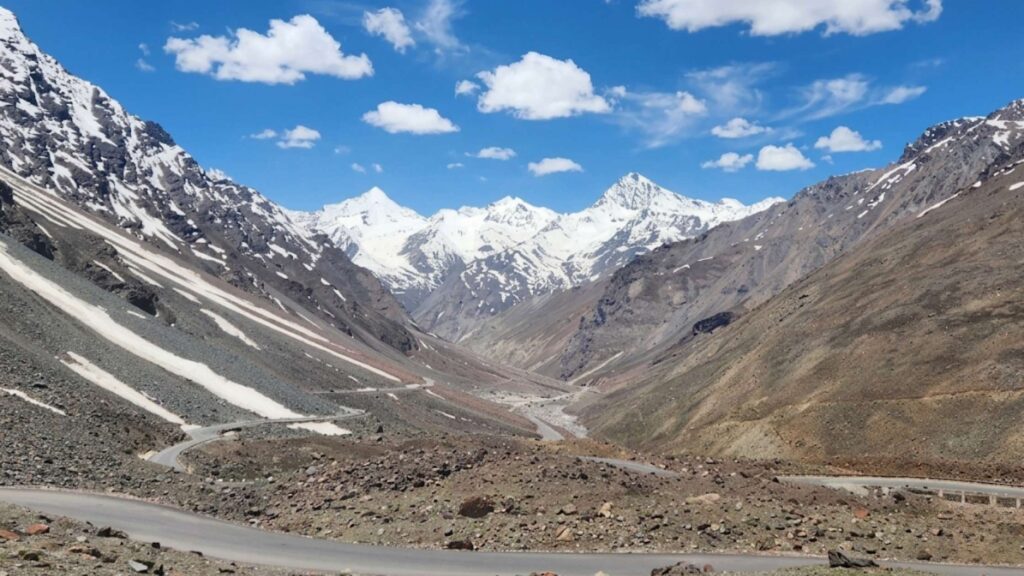
The short answer is yes, June access is usually possible. But “open” on the Manali-Leh highway does not mean the same thing as “smooth.”
There is a difference between BRO restoring a road, light motor vehicle movement starting on that road, and the route becoming comfortable enough for regular tourist traffic. BRO restoring the road means the snow has been cut through and a vehicle can technically pass. LMV movement starting means some cars and bikes have made it through. Comfortable tourist traffic means the surface is stable, water crossings are manageable, and the route is reasonably predictable.
In 2026, BRO restored the Manali-Leh highway around 12 May after clearing snow and ice that had shut the road since 20 November 2025. The Darcha-Sarchu stretch through Baralacha was reported passable for light vehicles by mid-May.
By June, especially mid to late June, the road is usually in a much better state than early season. But early June can still throw surprises. Snow patches, meltwater, loose gravel and sudden closures are all possible.
Our team checks this route regularly because we send travellers toward Leh and Spiti through this corridor every season. If you are planning a trip that includes Baralacha, our Manali family tour packages come with real-time route checks and local drivers who know these roads.
The golden rule: do not book non-refundable stays or flights based on a road status update from two weeks ago. Check again the day before you leave.
What Is Baralacha Pass Like in June?
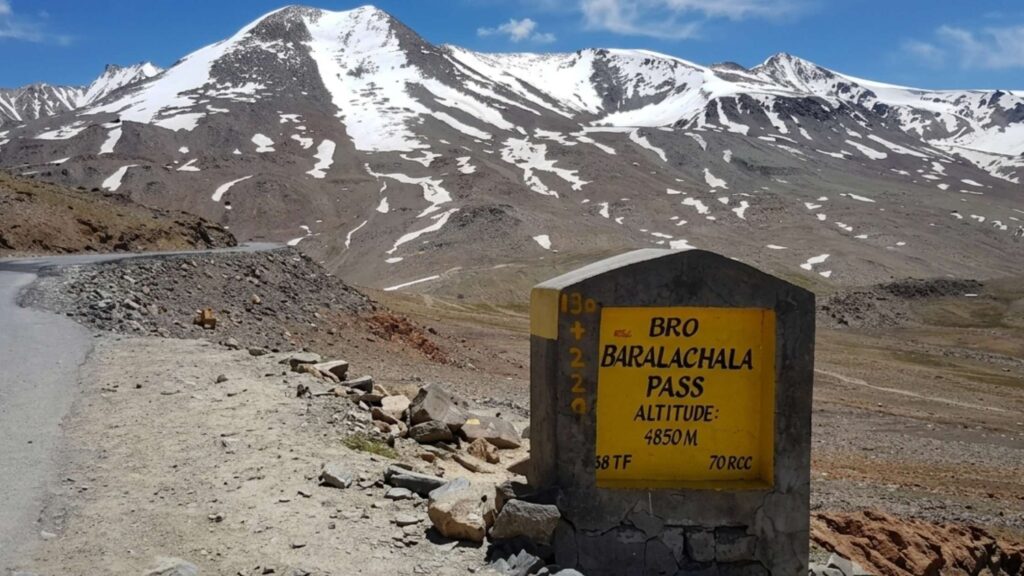
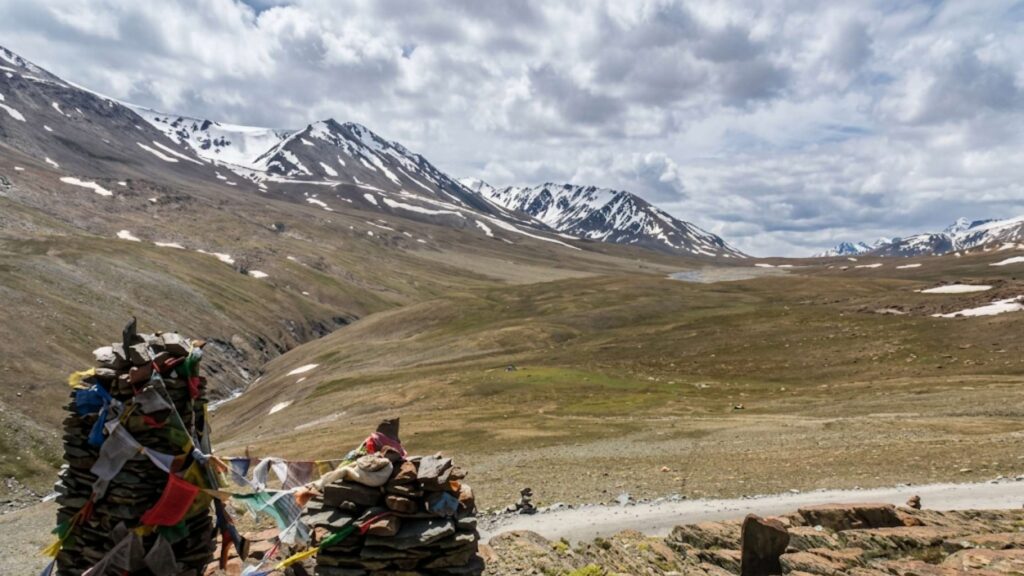
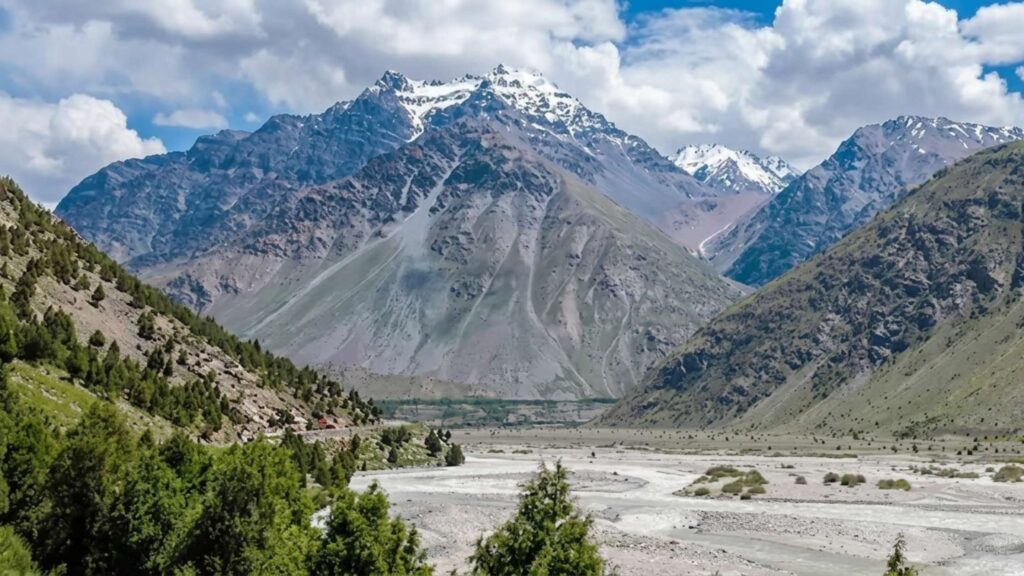
Imagine standing on a wide, treeless plateau with snow walls on either side, cold wind pushing against your jacket, and mountains stretching in every direction with not a single building or tree in sight. That is Baralacha in June.
The pass does not have the dramatic narrow-road feel of something like Rohtang. It feels open, exposed and enormous. The oxygen is thin. The sky looks closer. And the silence, once you step away from your car and the engine is off, is almost unsettling.
Early June feels raw. Snow is still thick on the road edges. Slush and meltwater make sections tricky. Fog can roll in without warning. The road surface may still have fresh damage from winter. This is the window that appeals to experienced mountain travellers and bikers who want the adventure of being among the first on the road.
Late June is a different experience. The road surface has usually settled. Snow on the road itself is mostly gone, though snow patches and walls remain on the sides. Movement is easier, and more camps and dhabas along the route are operational. The air is still biting cold at the top, but the overall drive feels more predictable.
In our experience running trips on this highway, late June hits the sweet spot. You still get the snow and the drama, but without the early-season gamble.
What Is Baralacha Pass Weather and Temperature in June?
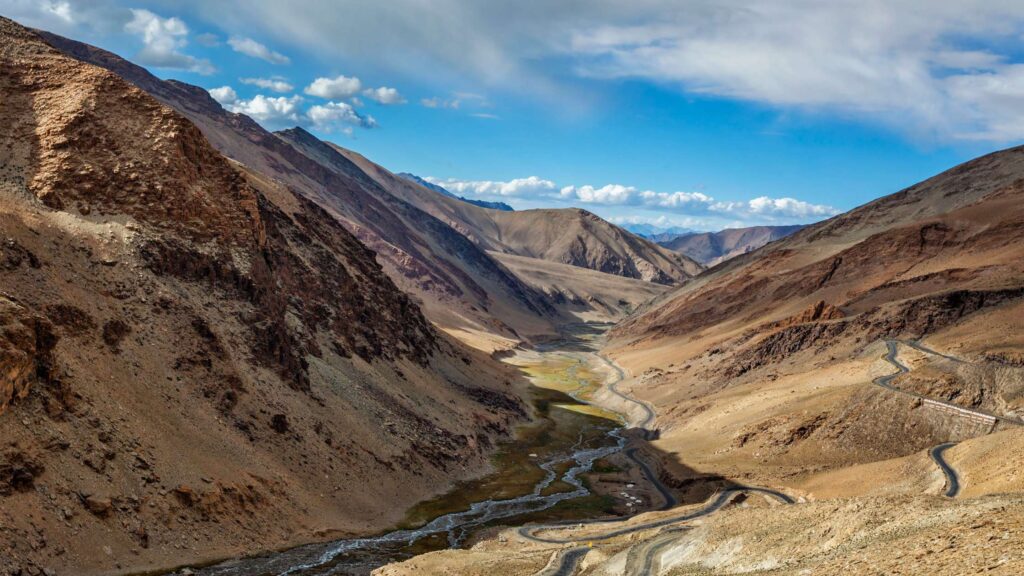
June temperatures at Baralacha hover between 0°C and 10°C, and that is before wind chill. The wind at 16,000 feet is constant and sharp. A reading of 5°C can feel like well below zero when the wind is blowing across that open plateau.
Daytime sunshine can fool you. When the sun is out and the wind drops for a moment, it feels almost pleasant. Then a cloud passes overhead or the wind picks up, and within seconds you are reaching for every layer you packed.
Do not plan for fresh snowfall as a guarantee. What you will almost certainly see is old snow, compacted snow walls cut by BRO machines, and frozen patches on the ground and nearby peaks. Fresh snowfall can happen at high altitude, but it is not something to count on.
What to wear: thermals (top and bottom), a proper fleece, a windproof jacket that actually blocks wind (not a fashion puffer), gloves, a woollen cap, good sunglasses and sunscreen with high SPF. The UV at this altitude is brutal, and you will burn even on a cloudy day.
Can You See Snow at Baralacha Pass in June?
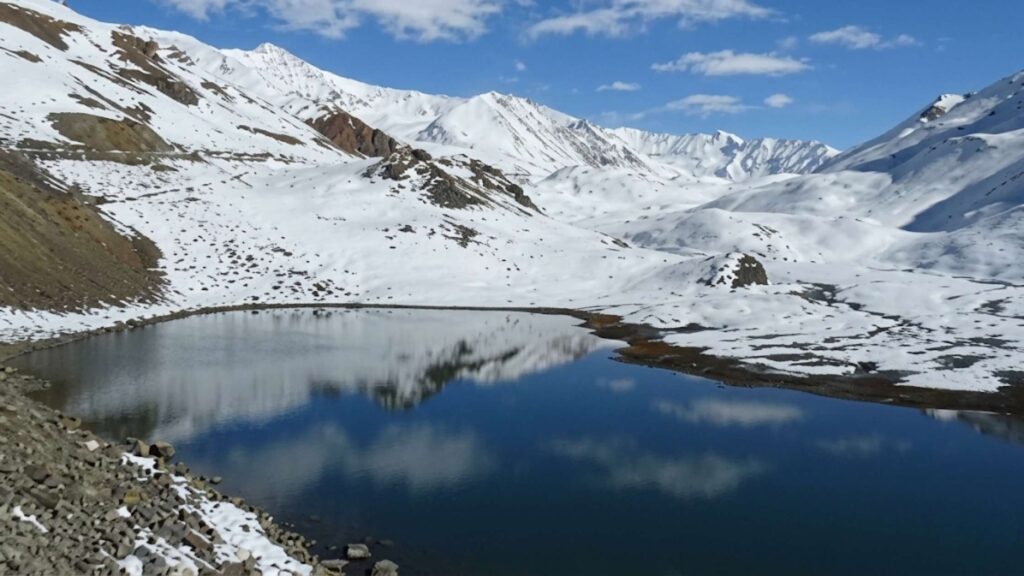
Yes. This is one of the main reasons people want to visit Baralacha in June.
You will commonly see old snow walls, frozen patches, and snow on surrounding peaks, especially in early and mid June. The exact amount of snow changes every year depending on how heavy the previous winter was and how warm the spring has been.
How does it compare with Rohtang?
Rohtang is closer to Manali, easier to reach, and fine for a casual snow experience. But Rohtang is also heavily regulated, crowded, and feels more like a tourist attraction than a mountain pass. Baralacha is higher, farther, colder, and far more raw. If Rohtang is the snow photo op, Baralacha is the real mountain experience.
If you are trying to decide between the two, our Rohtang Pass guide gives you a clear picture of what Rohtang offers, which will help you compare.
One honest warning: do not play in the snow at Baralacha the way people do at Rohtang. At 16,000 feet, running around in snow will leave you breathless in under a minute. Walk slowly, take your photos, and get back in the car before your body starts protesting.
How to Reach Baralacha Pass from Manali
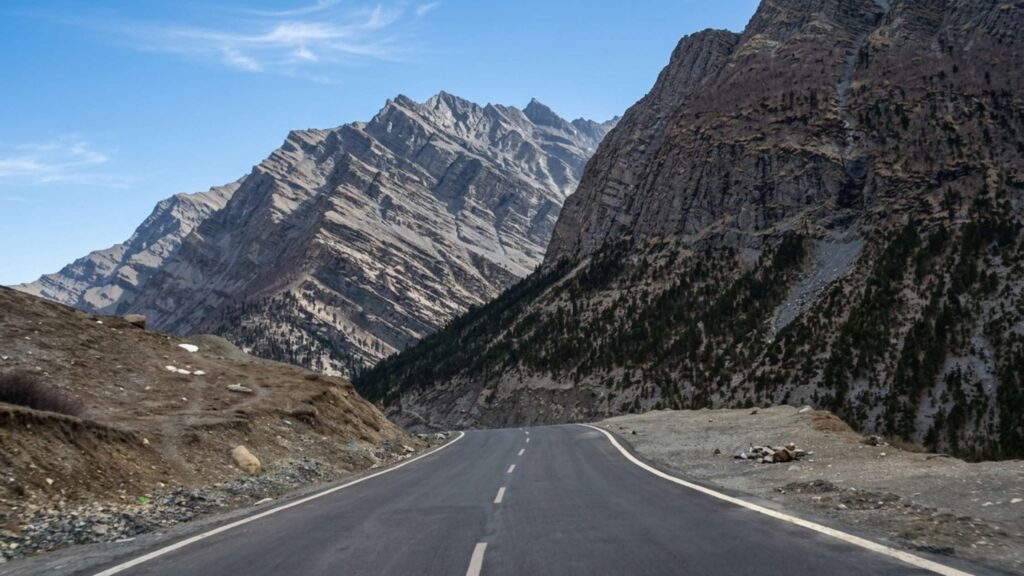
The route is straightforward on a map and slow in real life.
From Manali, you enter the Atal Tunnel, come out at Sissu in the Lahaul Valley, continue through Keylong, then Jispa, Darcha, the winding climb through Zingzingbar, past Suraj Tal, and finally Baralacha La at the top.
The total distance from Manali to Baralacha is around 180 to 190 km depending on your exact stops and route variations. On paper, that sounds like a half-day drive. In reality, expect 6 to 8 hours one way.
The first stretch through the Atal Tunnel to Keylong is smooth and fast, about 115 km in roughly 2 hours. Keylong to Jispa is another easy 25 km, about 45 minutes. After Jispa, the road character changes. You are climbing, the surface gets rougher, and the altitude starts to show.
One thing our drivers always remind travellers: fuel up at Tandi. This is the last reliable fuel stop before the long empty stretch toward Leh. The next proper fuel is around Karu near Leh, roughly 345 km away. Do not underestimate this gap.
Mountain time is not clock time. Weather, roadwork, photo stops, army convoys, and BRO traffic regulation can all add hours. Plan for the time, not the distance.
Our Manali to Leh road trip guide covers every major stop on this highway if you are planning the full journey.
Can You Do Baralacha Pass as a Day Trip from Manali?
Technically, yes. Practically, it is a very long, exhausting day.
The one-way drive itself takes 6 to 8 hours. That means a return trip puts you in a car for 12 to 16 hours, with maybe 20 to 30 minutes at the pass. You leave Manali before sunrise and return after dark, and most of the day is spent on a mountain road, not at the pass.
We have seen travellers attempt this and regret it by the time they are past Jispa. The altitude hits harder when you are tired, and the drive back in fading light is risky on these roads.
The better plan for most people is a 2-day trip. Stay at Jispa or Keylong on day one. Drive to Baralacha on day two morning, spend time at the pass and Suraj Tal, and return at your own pace. This gives your body time to adjust and gives you a trip you will actually enjoy instead of survive.
Families, first-time mountain travellers, and anyone not used to altitude should avoid the single-day rush entirely.
Talk to our team on WhatsApp and we will help you build a realistic plan based on your dates and group size.
Where Should You Stay Near Baralacha Pass?
There are no hotels at Baralacha Pass. No guesthouses, no homestays, nothing. The pass is a high-altitude crossing point, not a destination with accommodation.
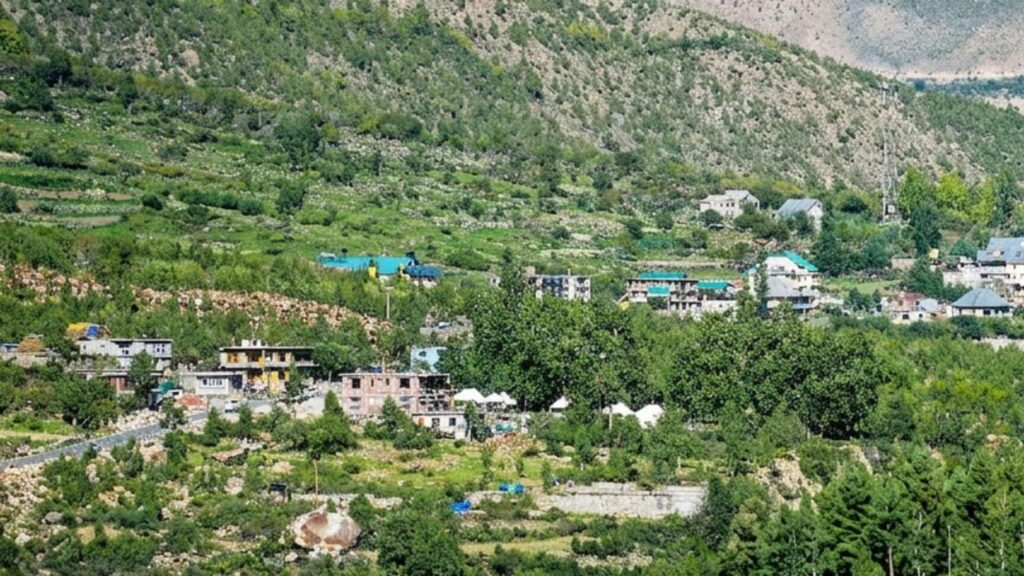
Your real stay options are Keylong, Jispa and Sarchu.
Keylong
It is the district headquarters of Lahaul and Spiti. It has proper guesthouses, a few hotels, a hospital, ATMs, and mobile network. It is the safest, most comfortable base.
Jispa
It is a small village about 25 km ahead of Keylong, quieter and closer to Baralacha. It has camps and basic guesthouses along the river. Many travellers on the Manali-Leh route prefer Jispa as a stopover because it is peaceful and the altitude is manageable.
Sarchu
It is on the other side of Baralacha, at around 14,000 feet. It has seasonal tent camps. Sarchu is fine for travellers who are already acclimatised, but if you are coming from Manali and this is your first night at altitude, Sarchu can hit hard. Headaches, nausea and disturbed sleep are common for first-timers at Sarchu.
Our recommendation: stay at Jispa or Keylong on your first night out of Manali. Let your body adjust. Then push toward Baralacha the next morning.
If your plan extends beyond Baralacha toward Leh, our Manali Leh Ladakh tour packages include these stopovers with stays that we have vetted personally.
Road Conditions in June: Car, Bike and Small-Car Advice
Road conditions near Baralacha in June depend heavily on whether you are going in early June or late June.
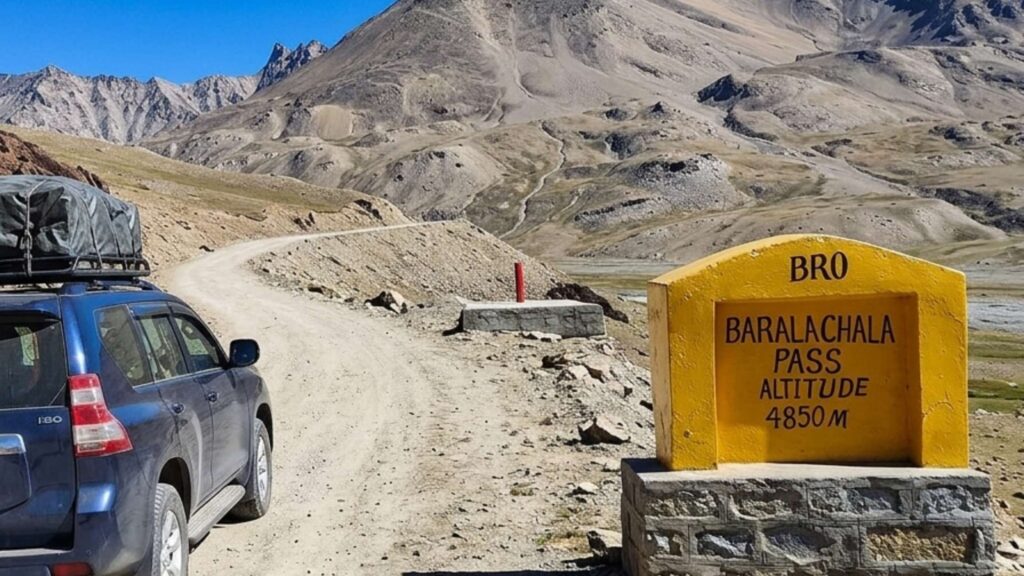
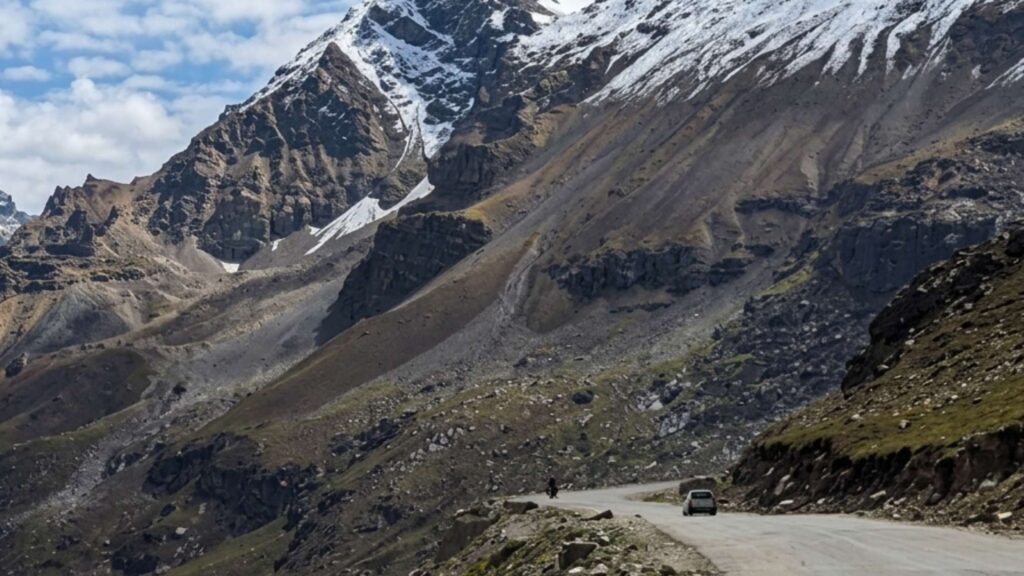
Early June can mean snow patches still sitting on the road, meltwater streams crossing the tarmac, slushy sections, loose gravel, and rough stretches where BRO is still finishing repair work. High-ground-clearance vehicles are strongly recommended during this window. SUVs and 4x4s handle these sections far better than anything low-slung.
Late June is usually smoother. The road surface has dried out, meltwater has reduced, and BRO has had time to patch the worst spots. But “smoother” does not mean “smooth.” The Zingzingbar to Baralacha section will rattle you regardless of the month.
For bikers, this is an iconic stretch. But June demands extra preparation. Carry warm, waterproof gloves that let you grip properly. Wear waterproof shoes, not sneakers. Start early in the morning. Plan your fuel carefully since there is nothing between Tandi and the other side. And avoid crossing Baralacha in the late evening when temperatures drop and visibility fades.
For small cars (hatchbacks, sedans), the honest answer is: wait until the road stabilises. A small car may manage late June if conditions are favourable, but in early June, the water crossings and rough patches can be genuinely risky. Always verify current road conditions with a local operator before attempting this stretch in a low-clearance vehicle.
Do You Need a Permit for Baralacha Pass in June?
This confuses a lot of travellers because the permit situation depends on your route and destination.
If you are using the Atal Tunnel to enter Lahaul and heading toward Baralacha and Leh, you do not need a Rohtang sightseeing permit. That permit is only for tourists visiting Rohtang Pass via the old road.
However, vehicles entering the Lahaul and Spiti district may need e-Aagman registration, an e-pass or an e-ticket depending on current district rules and your specific route. These rules have changed multiple times, so check the latest requirement on the official portal before you travel.
If you are continuing beyond Baralacha into Ladakh, then inner line permits come into play. These are separate from any Himachal permit and are needed for restricted areas in Ladakh. You can apply for these online or through your travel operator.
The money-saving tip most blogs miss: you do not need to pay anyone to “arrange” your Lahaul permits. The e-Aagman or e-pass system is an online process. Agents at Manali who charge ₹500 to ₹1,000 for “permit assistance” are doing something you can do yourself in 10 minutes on your phone. Save that money for chai at Jispa.
What Are the Best Stops Near Baralacha Pass?
The drive from Manali to Baralacha is not just about the destination. Several stops along the way are worth your time.
Deepak Tal
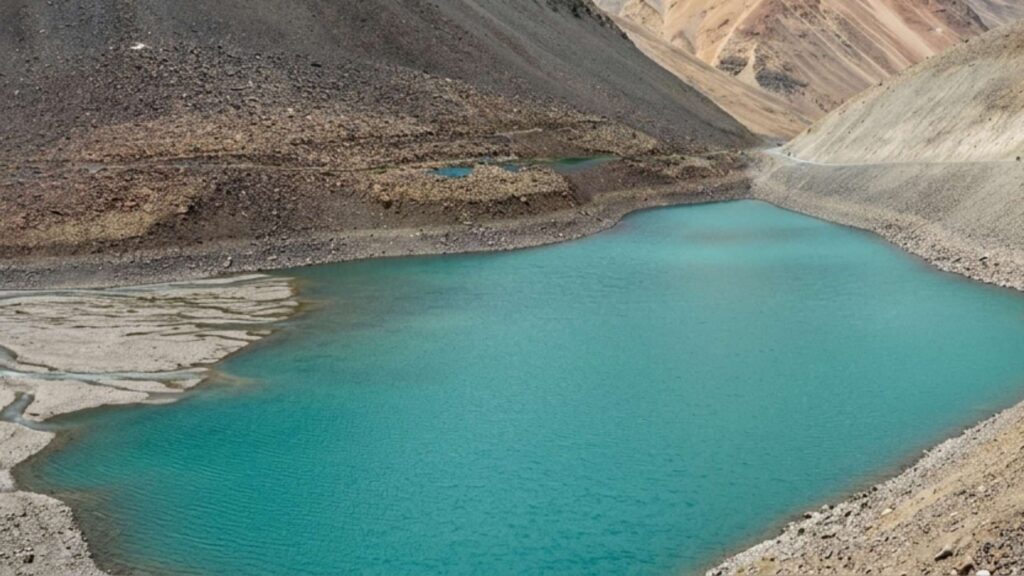
It is a high-altitude lake at around 3,760 metres that you pass on the way. The water is a striking blue-green, and the stop takes only 10 to 15 minutes. A quick photo, a stretch of the legs, and you move on. Do not spend too long here. It is a pleasant stop, not a destination.
Jispa
It deserves more than a drive-through. The river, the quiet, the small cafes. If you are staying overnight, the dhabas near the bridge serve hot rajma-chawal and thick chai that you will remember long after the trip. Have a proper meal here because after Jispa, your food options drop sharply in both quality and availability.
Darcha
It is a checkpoint town and the gateway to the higher sections. It has a couple of basic eateries where you can get Maggi and tea. Fuel up on food here if you have not eaten since Keylong.
Zingzingbar
It is a name you will remember because of the road. The climb from here toward Baralacha is winding, steep and dramatic. Do not stop on the narrow turns. Wait for a wider spot if you want photos.
Suraj Tal
It is the real highlight near Baralacha. This high-altitude lake sits near the pass and is linked with the Bhaga River source. On a clear day, the water is an impossible shade of blue against grey rock and white snow. This is where you take your best photos. Spend 15 to 20 minutes here, but watch the altitude. Do not overexert.
The timing tip that changes the experience: try to reach Suraj Tal and Baralacha before 11 AM. Mornings are usually clearer, calmer and less windy. By early afternoon, clouds start building, visibility drops, and the wind at the top turns from uncomfortable to brutal. If you leave Jispa by 6:30 AM, you will hit the pass in good light and good conditions.
Baralacha La
Itself is a wide, windy plateau with prayer flags and a BRO signboard. Most travellers should keep their stop here short, around 20 to 30 minutes, because the altitude and wind take a toll fast.
Sarchu
It is on the other side of Baralacha and marks the Himachal-Ladakh border area. If you are doing the full Manali-Leh route, this is your next camp stop. If you are turning back to Manali, Sarchu is a good point to have lunch before heading back.
For travellers who want to explore the wider Lahaul and Spiti region, our Spiti Valley tour packages can combine Baralacha with the Spiti circuit depending on road status and your available days.
Is Baralacha Pass Safe in June?
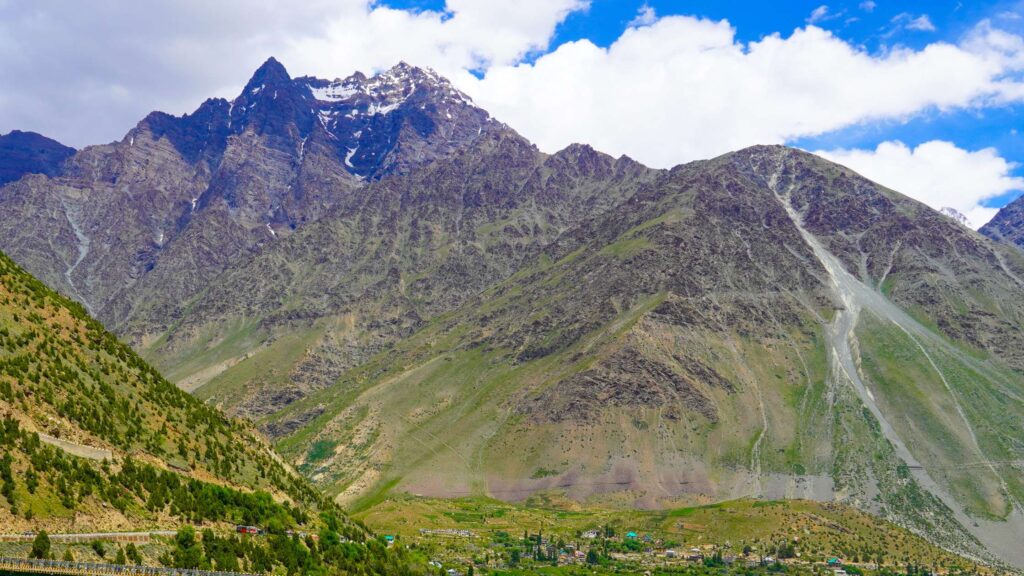
Baralacha is safe when the road is officially open and the weather is stable. The risks are real but manageable with the right planning.
Altitude sickness
Is the biggest concern. At around 16,000 feet, the oxygen level is noticeably lower. Symptoms include headache, nausea, dizziness and breathlessness. You do not need to be unfit for altitude to hit you. It can affect anyone.
Cold wind
At the top is constant and harsh. People who step out of a warm car in just a hoodie are miserable within minutes. Layer up before you open the door.
Slippery snow and slush
Are common in early June. Walking on compacted snow at this altitude is risky. Wear shoes with proper grip and walk slowly. We have seen travellers slip and injure themselves because they ran toward snow walls for a photo. Do not do this.
Water crossings
on the road, especially between Zingzingbar and Baralacha, can be deeper than they look. Let another vehicle go first if you are unsure about the depth.
Mobile network
is unreliable between Jispa and Pang. BSNL may catch a faint signal in some spots, but do not rely on your phone for navigation or emergency calls in this stretch. Download offline maps before you leave Manali.
What we always tell our travellers: do not spend more than 20 to 30 minutes at the pass itself. Take your photos, feel the wind, look at the mountains, and get back in the car. Extended time at 16,000 feet is where problems start.
Emergency references include Keylong District Hospital, army medical posts that operate during peak season along the highway, and 108 emergency. But the best emergency plan is to not need one. Acclimatise properly, do not ignore symptoms, and descend immediately if anyone in your group feels seriously unwell.
Suggested Itineraries for Baralacha Pass in June
1-Day Manali to Baralacha and Back
This works only for fit, experienced mountain travellers who are ready for a very long day. You leave Manali by 5 AM, drive to Baralacha, spend a short time at the pass and Suraj Tal, and drive back the same day.
Expect 12 to 16 hours of total travel. Keep the plan flexible. If road conditions slow you down, turn back early rather than pushing into darkness.
2-Day Manali, Jispa, Baralacha, Manali
This is what we recommend for most travellers. Day one, drive from Manali to Jispa or Keylong. Settle in, have a warm dinner, and sleep at a comfortable altitude.
Day two, leave early for Baralacha. Stop at Suraj Tal, spend time at the pass, and return to Jispa or Manali depending on your energy and road conditions. This plan gives you breathing room, proper rest, and a much better experience.
Manali to Leh via Baralacha
If Baralacha is just one stop on your Manali-Leh highway journey, do not try to cover the full distance in one day. The highway is long and the altitude gain is extreme.
A sensible split: Manali to Jispa or Keylong on day one. Jispa to Sarchu (crossing Baralacha) on day two. Sarchu to Leh on day three, crossing Lachalung La, Nakee La and Tanglang La.
Check our Himachal tour packages for itineraries that include proper acclimatisation stops and cover the Manali-Leh route.
What Should You Pack for Baralacha Pass in June?
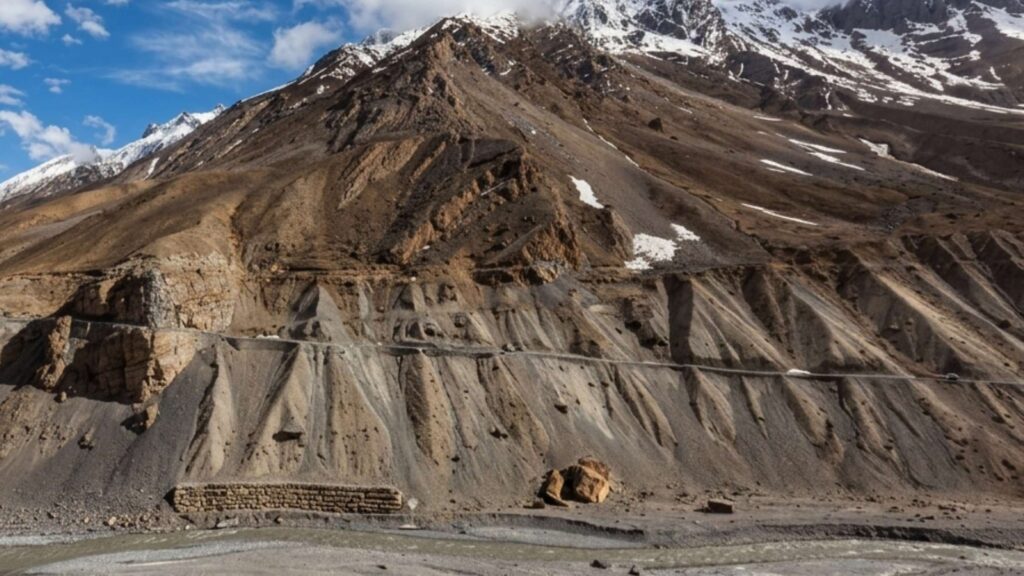
Packing for Baralacha means packing for winter at the top and mild weather at the bottom. You will experience both in the same day.
Start with thermals, top and bottom. Over that, a fleece layer. Over that, a windproof and waterproof jacket. This combination handles everything from the warm Atal Tunnel exit to the freezing wind at the pass.
Gloves are non-negotiable. Not fashion gloves. Proper warm gloves that block wind. Your fingers will thank you at 16,000 feet.
A woollen cap that covers your ears. A sunglasses pair that blocks UV. And sunscreen with high SPF. The sunshine at Baralacha does not mean warmth. It means UV exposure that will burn your skin in 20 minutes if you are not protected.
Carry water and snacks. There are no shops at Baralacha. The last dhaba is well before the pass. Dry fruits, biscuits and chocolate work well at altitude.
Personal medicines for headache, nausea and stomach issues. Cash, because nothing digital works between Jispa and Pang. A power bank, because your phone battery drains faster in the cold. Offline maps, because there is no network to load Google Maps.
And waterproof shoes with good grip. Not sneakers, not sandals, not anything with a smooth sole. The ground near the pass can be wet, slushy and slippery.
The skip-this tip: do not waste money on expensive snow gear rentals in Manali for Baralacha. You are driving to the pass, not trekking in snow. Proper layers, a good jacket and warm shoes are all you need. The ₹500 to ₹1,500 that snow gear rental shops charge in Manali is unnecessary for a Baralacha visit.
Baralacha Pass vs Rohtang vs Shinkula in June
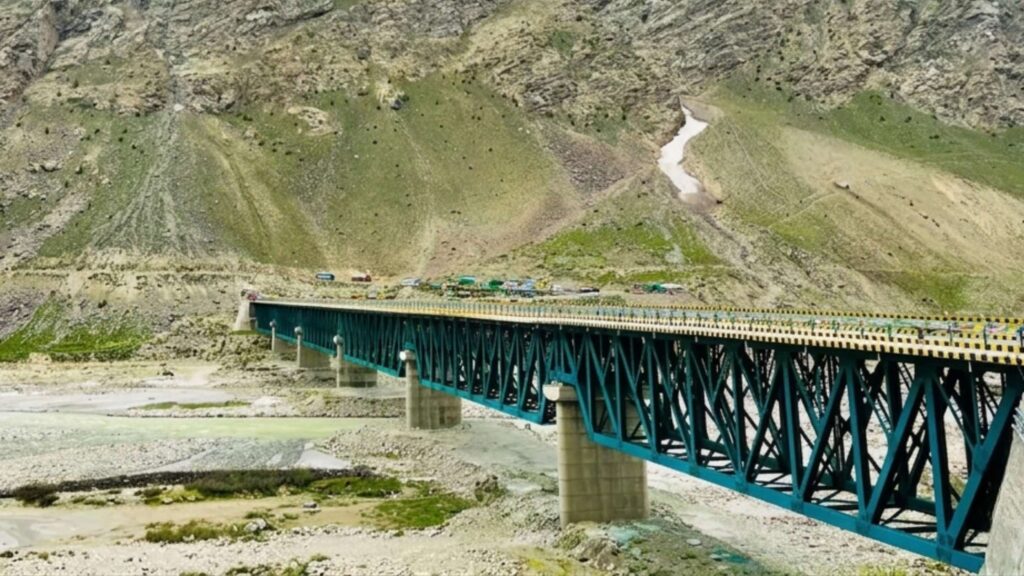
If you are in Manali and want snow in June, you have three main options. Here is how they compare.
Rohtang Pass
It is the closest and easiest. You can reach it in about 2 to 3 hours from Manali via the old road (permit required) or skip it entirely using the Atal Tunnel. Rohtang gets very crowded, is heavily regulated, and feels more like a managed tourist spot than a mountain pass. But it is convenient and works for families or anyone who just wants a quick snow photo.
Baralacha Pass
It is higher, farther, colder and far more adventurous. You need at least two days to do it properly from Manali. The snow feels more real, the landscape is more dramatic, and the experience is quieter. Baralacha suits travellers who want the mountain, not just the snow.
Shinkula Pass
It connects Lahaul with Zanskar. It can also have snow in June, but the road status is unpredictable and must be checked locally. Shinkula is not on the main Manali-Leh highway and requires a separate detour. It suits experienced overlanders more than regular tourists.
For most travellers on a Manali trip, the choice comes down to Rohtang (easy, quick, crowded) or Baralacha (harder, longer, far more rewarding).
Who Should Avoid Baralacha Pass in June?
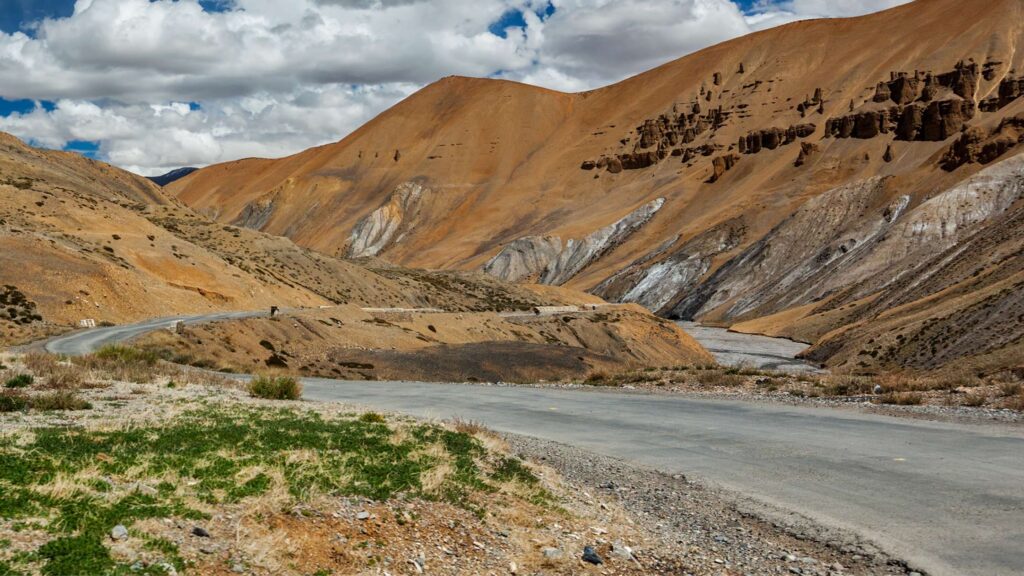
Baralacha is not for everyone, and that is fine.
Infants and very young children should not be taken to 16,000 feet. The altitude, cold and lack of any medical facility make it a genuine risk.
Elderly travellers with heart or breathing conditions should consult a doctor before planning this. The low oxygen, cold air and physical stress of the journey can be dangerous for people with existing health issues.
Anyone already feeling unwell at Manali, Keylong or Jispa should not push higher. If you have a headache or nausea at 10,000 feet, going to 16,000 feet will not make it better. It will make it worse.
Travellers with severe anxiety about mountain roads may find the stretch after Jispa overwhelming. The road is narrow in places, the drops are real, and there are no guardrails for long stretches.
Being honest about your own comfort level is not weakness. It is smart planning. There are plenty of stunning places in Lahaul you can enjoy without pushing to 16,000 feet.
Planning Baralacha with Manali Tour Planner
We are a Himachal-based travel team with over 10 years of experience, and the Manali-Leh highway is a route our drivers cover every season. When we plan a Baralacha trip, we do not just draw a line on a map.
We check the actual route status. We check whether the vehicle is right for the current road condition. We confirm stay options at Jispa or Keylong. We brief our drivers on the latest road updates. And we build realistic itineraries that account for altitude, weather and the fact that mountain roads do not follow Google Maps timelines.
We can help you combine Baralacha with Manali, Sissu, Jispa, Ladakh or Spiti depending on road status and how many days you have. Whether you want a focused Baralacha trip or a full Spiti circuit with Chandratal, we will plan it around what is actually open and doable.
Talk to our team on WhatsApp and tell us your dates. We will tell you exactly what is realistic and what is not.
Frequently Asked Questions
Is Baralacha Pass open in June 2026?
Yes, Baralacha Pass is generally open in June. For 2026, BRO restored the Manali-Leh highway by mid-May. However, road conditions can change quickly. Always verify live status 24 to 48 hours before leaving.
Can we see snow at Baralacha Pass in June?
Yes. Old snow, snow walls and frozen patches are commonly visible at Baralacha in June, especially in early and mid June. Fresh snowfall is possible but not guaranteed.
What is the temperature at Baralacha Pass in June?
Temperatures range from about 0°C to 10°C, but wind chill makes it feel significantly colder. Sunshine can be deceptive. Always carry full winter layers.
Is Baralacha Pass safe for families in June?
Families with older children and no pre-existing health conditions can visit in late June when the road is more stable. It is not recommended for infants, very young children or elderly members with heart or breathing concerns.
Can small cars go to Baralacha Pass in June?
It depends on the current road condition. In late June with stable roads, some small cars may manage. In early June with slush, meltwater and rough patches, high-clearance vehicles are much safer. Verify road status locally before attempting.
How far is Baralacha Pass from Manali?
The distance from Manali to Baralacha Pass is around 180 to 190 km depending on route and stops.
How much time does Manali to Baralacha take?
Expect about 6 to 8 hours one way. Mountain driving time depends on road conditions, weather, traffic regulation and stops.
Can we do Baralacha as a day trip from Manali?
It is possible but exhausting. The round trip means 12 to 16 hours of driving with very little time at the pass. A 2-day trip with a night at Jispa or Keylong is a far better experience.
Do I need a permit for Baralacha Pass?
If you use the Atal Tunnel, you do not need a Rohtang sightseeing permit. However, e-Aagman registration or an e-pass may be required for vehicles entering Lahaul and Spiti. Ladakh inner line permits are separate and apply only if you continue into restricted Ladakh areas.
Is Baralacha better than Rohtang for snow in June?
Baralacha is higher, has more snow visible, and feels far more adventurous. Rohtang is easier to reach and more convenient for a quick outing. If you want real mountain snow without the crowds, Baralacha is the better choice.
Where should we stay before visiting Baralacha?
Jispa or Keylong are the best options. Both are at manageable altitudes, have decent stays, and are close enough to Baralacha for an easy morning drive. Avoid jumping straight to Sarchu (14,000 ft) if you have not acclimatised.
What clothes should I carry for Baralacha in June?
Thermals (top and bottom), fleece, a windproof jacket, warm gloves, a woollen cap, waterproof shoes, sunglasses and high-SPF sunscreen. Layer up. The cold at 16,000 feet is not something a single jacket can handle.
Also Read: Baralacha Pass in May 2026: Is It Open, Safe and Worth Visiting?