
The road from Manali to Chandratal is far more than a transfer route to a famous lake. It is one of the most dramatic mountain drives in Himachal, filled with changing landscapes, remote villages, glacier-fed streams, rough high-altitude stretches, and viewpoints that make you stop again and again. What starts as a green valley drive near Manali slowly turns into a raw and unforgettable journey toward the harsher beauty of Lahaul and Spiti. If you plan it well, the places you visit on the way can become just as memorable as Chandratal itself. This guide covers the best places to visit on the way from Manali to Chandratal in 2026, so you can make the most of every stop instead of rushing straight to the lake.
Quick Answer

The best places to visit on the way from Manali to Chandratal are Atal Tunnel, Sissu, Koksar, Gramphu (briefly), Chhatru, Batal, and Kunzum Pass. Each one serves a different purpose on this road trip. Some are scenic halts where you will want to spend real time. Others are meal stops or weather checkpoints. And one, Gramphu, is mostly a route junction where the road splits and the ride changes character completely.
If you are driving or riding from Manali, the route through Atal Tunnel and into Lahaul is the standard approach. The landscape shifts dramatically once you exit the tunnel, and the road gets progressively rougher and more remote as you push toward Chandratal. Knowing which stops deserve your time and which are just quick pauses can make the difference between a great trip and a tiring one.
Need help planning the stops, arranging a vehicle, or figuring out road conditions for your dates? Talk to our Manali team on WhatsApp and we will give you a straight, honest answer.
Is the Manali to Chandratal Route Open in 2026?
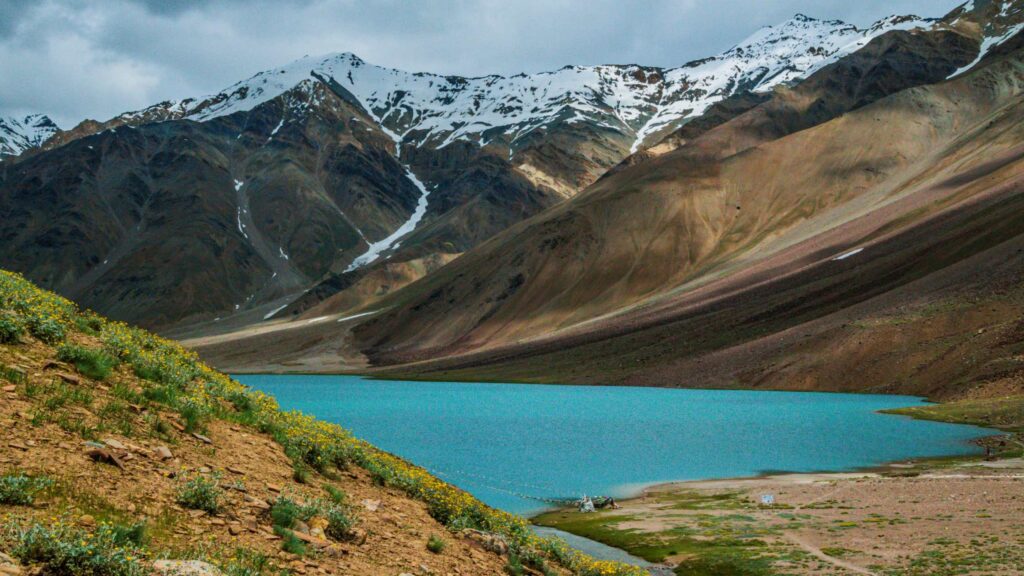
This is the first question every traveler should be asking, and the answer is not always simple. The official Lahaul-Spiti road status page, last updated on March 20, 2026, showed Manali to Keylong as open and Keylong to Kaza as closed. That gives you a general picture, but it does not tell you the full story for the Chandratal stretch specifically.
The safest broad-season window for the Manali to Chandratal route is mid-June to September. The opening date for Chandratal in 2026 is estimated around late May to mid-June depending on snow clearance. But shoulder-season access can change fast. A road that is open on Monday might be closed by Wednesday due to snowfall, landslides, or administrative orders. Always recheck conditions in the 48 hours before you leave Manali.
There is also a permit requirement. The Himachal e-Aagman portal requires an e-permit per vehicle for the Atal Tunnel–Rohtang–Koksar–Chandertal circuit. Make sure you have this sorted before you start.
One more thing worth knowing: recent 2026 reporting has noted that certain areas near the Atal Tunnel north portal are under no-stopping, no-parking, or safety restrictions due to avalanche risk. Additionally, a temporary restriction from April 19 to 30, 2026 was placed on the Sissu–Atal Tunnel stretch related to the President’s visit. These kinds of closures are hard to predict, and they are a reminder that access on this route is never guaranteed until you are actually on it.
What Is the Route From Manali to Chandratal and How Long Does It Take?
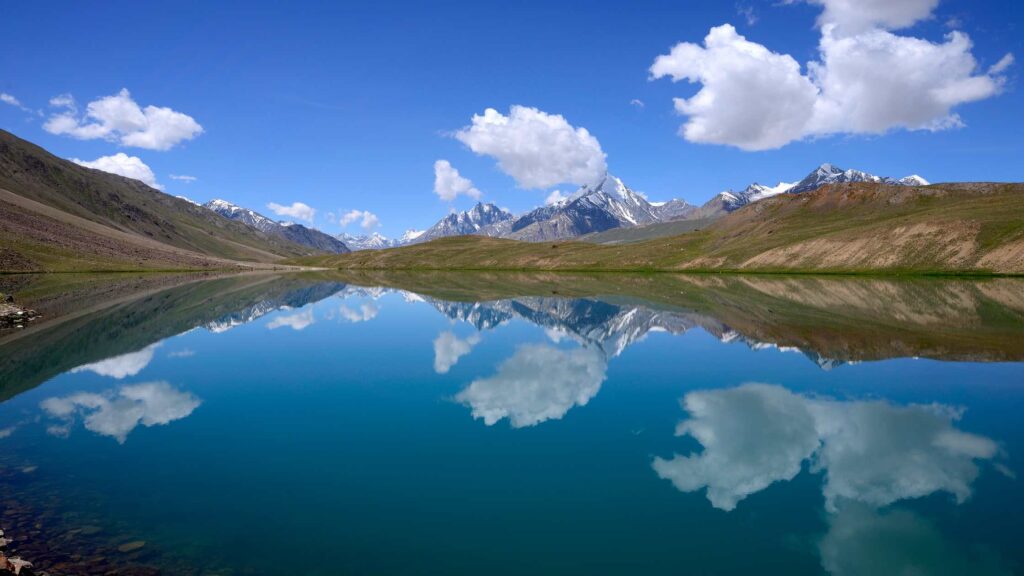
The route runs like this: Manali → Atal Tunnel → Sissu → Koksar → Gramphu → Chhatru → Batal → Kunzum Pass diversion → Chandratal.
The total distance is approximately 115 to 130 km one way. We say approximately because sources give different numbers, and the actual distance depends on where exactly you start in Manali and which approach road you take for the final stretch to the lake.
The drive time is similarly hard to pin down. Expect around 6 to 9 hours one way, depending on road conditions, weather, traffic at the tunnel, and how long you stop along the way. The first half of the route, from Manali through Atal Tunnel to Koksar, moves reasonably well. From Gramphu onward, the road quality drops sharply. The pace slows, the surface gets rougher, and the terrain becomes far more demanding on both vehicle and driver.
This is not a highway drive. After Gramphu, you are on mountain roads that require patience, good ground clearance, and attention. For a more detailed breakdown, read our complete Manali to Chandratal route guide.
Which Are the Best Places to Visit on the Way From Manali to Chandratal?
These are the halts that genuinely add value on the road. Every stop listed below is here because it serves a practical or scenic purpose, not because we needed to pad out a list. Some deserve a long pause. Others are five-minute photo stops. And a couple are mostly about logistics. We will be clear about which is which.
Atal Tunnel
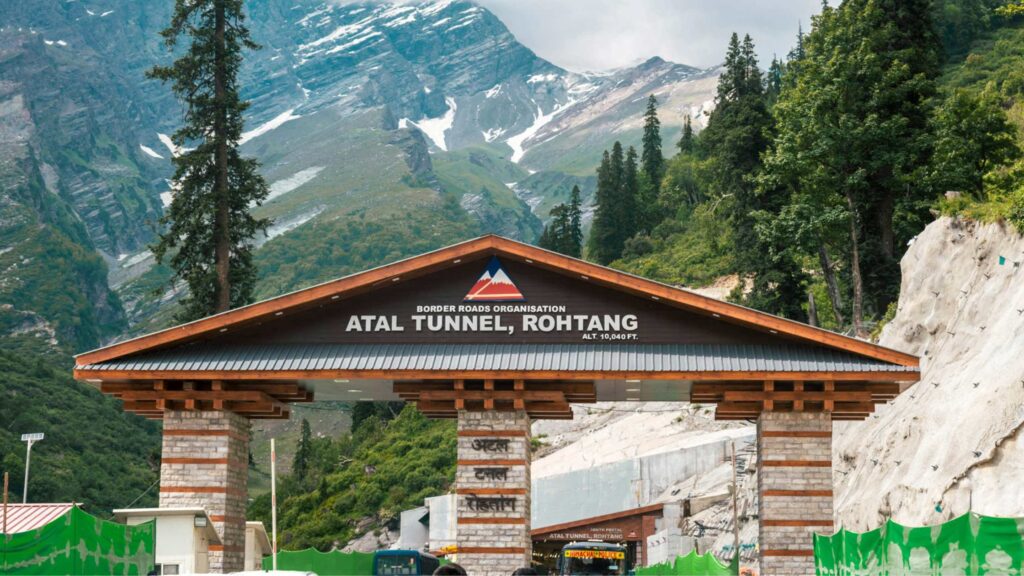
For most travelers, Atal Tunnel is where the journey really begins to feel like something different. You enter from the Manali side, drive through 9.02 km of engineered mountain tunnel, and come out the other end into Lahaul. The landscape shift is immediate and dramatic. The green, forested Kullu Valley gives way to the drier, starker, more open terrain of Lahaul. It feels like you have crossed into a different world, and in some ways, you have.
According to the Press Information Bureau, the tunnel reduced the old Manali–Sarchu road by 46 km and about 4 to 5 hours of driving time. That is a massive difference for anyone headed to Chandratal or deeper into Spiti.
One practical note: do not assume that every area around the north portal of the tunnel is open for stopping in 2026. Recent safety restrictions have been put in place due to avalanche risk in some sections near the exit. Follow all posted signs and do not stop at unauthorized points, no matter how tempting the photo opportunity looks. For more on the tunnel itself, see our Atal Tunnel guide.
Sissu
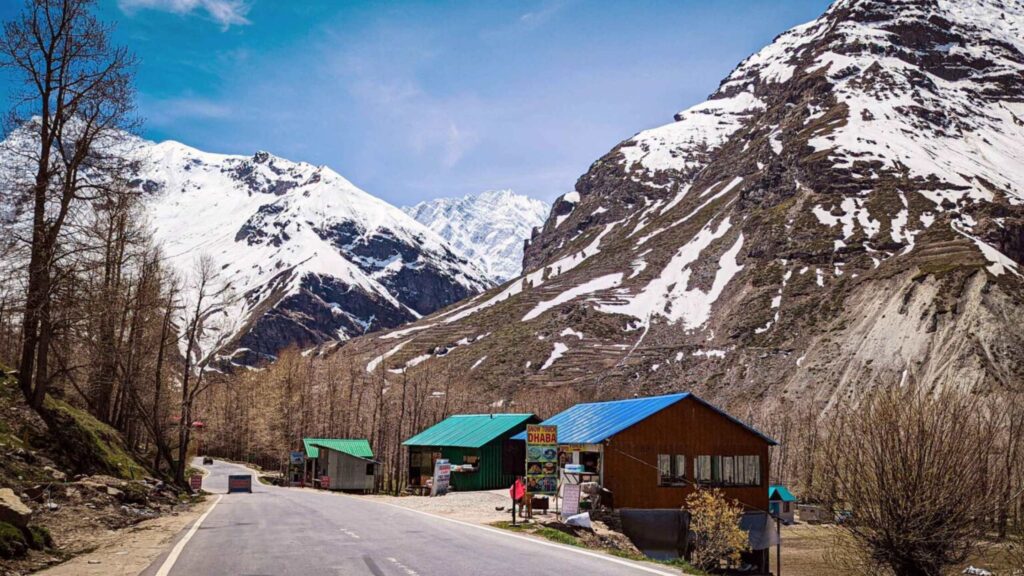
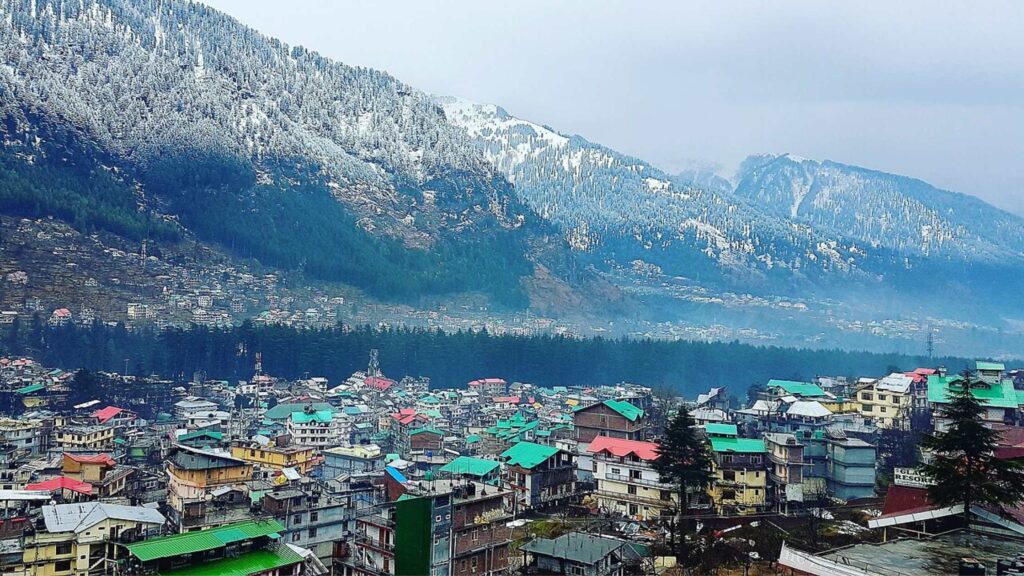
Sissu sits approximately 40 km from Manali and is the first real scenic halt on this route. In our experience, Sissu is one of the most satisfying stops between Manali and Chandratal, and it is especially good for families and travelers who want a proper break without any physical strain.
The waterfall views from the road and the village area are excellent. The valley opens up around you, snow-capped peaks line the horizon, and there is usually a calm, unhurried atmosphere that makes it easy to stop for longer than you planned. You can grab tea at one of the small roadside spots, stretch your legs, and take in the scenery before the road gets harder.
For families, couples, or anyone traveling with someone who does not want an intense mountain day, Sissu is worth more than a quick stop. If you have the flexibility, we would even suggest spending a night here on the way. Read more in our Sissu guide or see our 3-day Sissu itinerary if you are considering a longer stay.
Koksar
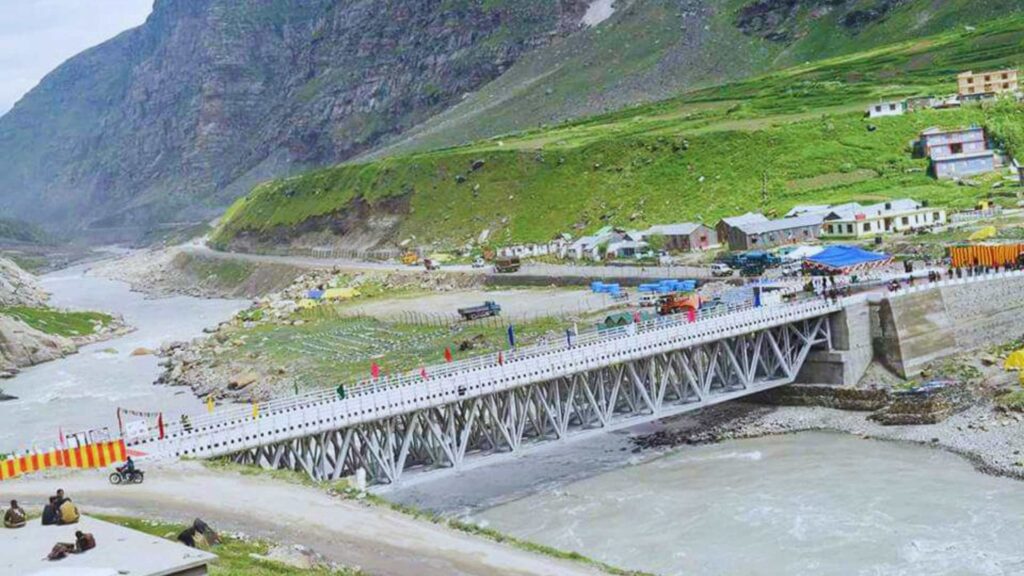
Koksar is about 40 km from Manali, roughly the same distance as Sissu but with a very different feel. Where Sissu is gentle and scenic, Koksar is quieter, rawer, and more austere. It sits deeper into the Lahaul landscape and does not attract the same casual tourist foot traffic.
Should you stop here? It depends on what you are after. Koksar works well as a weather buffer or low-crowd break. If the tunnel exit area was chaotic or if you want a calmer tea stop than Sissu offered, Koksar gives you that. It is also useful as a point to assess weather and road conditions before committing to the Gramphu turn and the rougher road ahead.
Our team recommends Koksar particularly for travelers who appreciate quieter, less polished mountain stops over more popular ones. It will not overwhelm you with sightseeing options, but it has an honest, end-of-the-road character that some travelers genuinely prefer. Check our Koksar trip guide and things to do in Koksar for more detail.
Gramphu
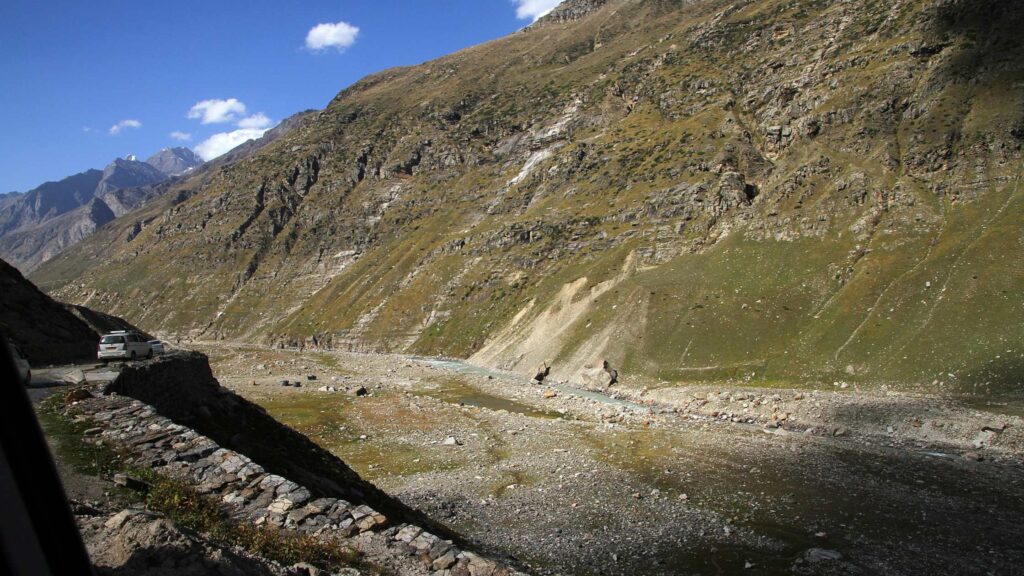
Let us be clear about Gramphu: it is not a sightseeing destination. It is the route junction where the road splits toward Chandratal and Spiti on one side and continues toward Keylong on the other. Its significance is purely practical.
What matters about Gramphu is that this is where road quality and trip pace change sharply. Everything before Gramphu is a paved, mostly comfortable drive. Everything after it is slower, rougher, and more remote. If you are going to do a final vehicle check, top up water, or make a phone call while you still have connectivity, do it here or before.
Unless you have a specific reason to stop, a quick pause at Gramphu is enough. Acknowledge the junction, take a breath, and move on.
Chhatru
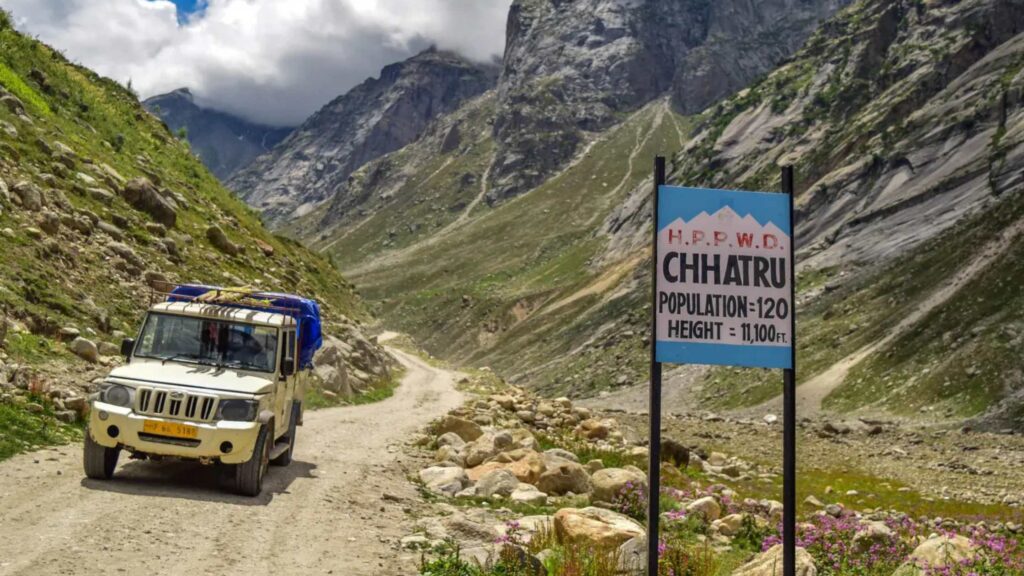
Chhatru is a short but scenic halt along the rougher stretch after Gramphu. The river valley opens up here, and the landscape has a stark, wide-angle beauty that photographs very well, especially in good light.
Bikers and photographers often like this stretch because the road, despite being rough, runs through some of the most dramatic terrain on the entire route. Chhatru itself is not a place where you need to spend a lot of time. There are no major facilities or tourist setups. But as a brief pause to step out of the vehicle, stretch, and take in the scenery, it earns its place on the route.
Think of Chhatru as a reward for surviving the road after Gramphu. A 10 to 15 minute stop here is usually enough.
Batal
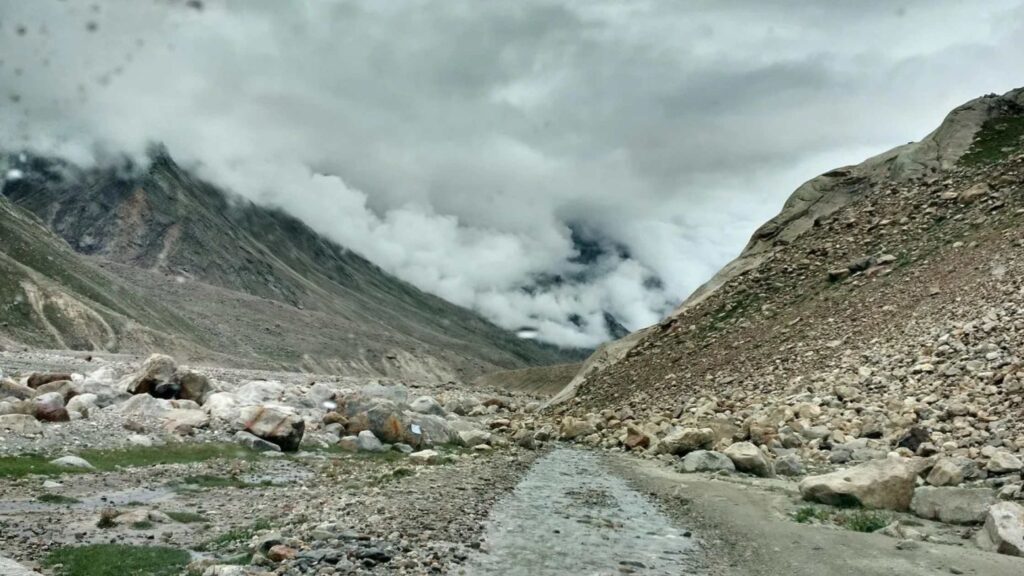
Batal is basic. There are no hotels, no restaurants with menus, no cell signal. What Batal has are a couple of legendary mountain dhabas, hot food cooked on gas stoves in the middle of nowhere, and a road-trip atmosphere that is hard to replicate anywhere else.
This stop matters more than it looks. By the time you reach Batal, you have been driving on rough roads for a while, the altitude has been climbing, and your body needs food and warmth. A meal here, even if it is just dal, rice, and a cup of chai, does more for your energy and morale than you might expect.
Batal is also a decision point. From here, the road to Chandratal is about 14 km and rough. If you are running late, if the weather is turning, or if anyone in the vehicle is struggling with altitude, Batal is the right place to evaluate whether to push forward or call it. We suggest not treating this decision lightly. The last stretch to the lake is not the place to discover that someone is unwell.
Kunzum Pass
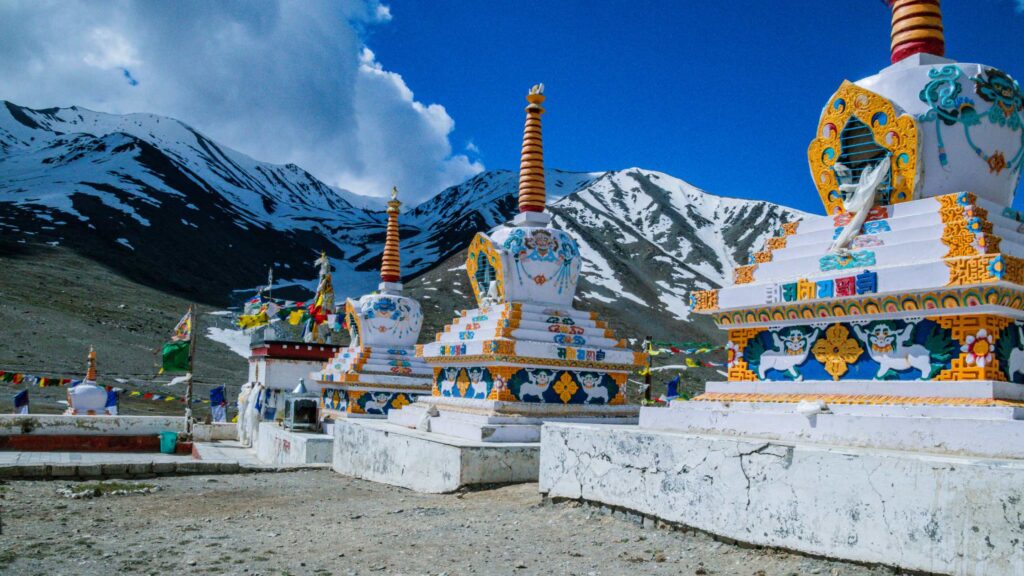
Kunzum Pass sits at approximately 4,550 m and is one of the highest motorable passes in India. It is about 21 km from Chandratal. The pass is not directly on the way to the lake. It is a detour off the main route, but for many travelers, it is one of the most rewarding high-altitude pauses on the entire journey.
There is a small temple at the pass, and the panoramic views from the top are extraordinary on a clear day. The scale of the landscape, with valleys dropping away on multiple sides, can feel almost overwhelming.
That said, treat Kunzum as weather and energy dependent, not compulsory. If the weather is bad, if visibility is low, or if anyone in your group is feeling the altitude hard, skip it. The pass will still be there on your next trip. Pushing to a 4,550 m pass when your body is telling you to slow down is not a smart trade.
The Final Approach to Chandratal
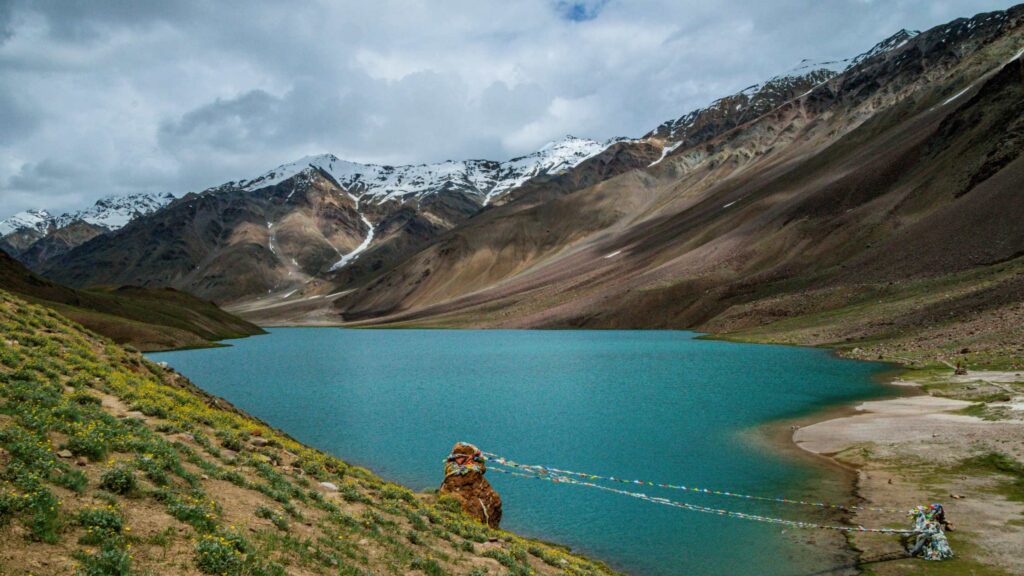
The last stretch from Batal to Chandratal is about 14 km of rough road. This is not a drive you rush. The surface is uneven, the altitude is significant, and the terrain demands full attention from whoever is driving.
At the end of the road, you reach a parking area. The lake is not visible from here. You need to walk approximately 1.5 to 2 km from the parking point to the lake shore. This walk is at around 4,270 m (14,220 ft), so take it slow, breathe steadily, and do not race to the water.
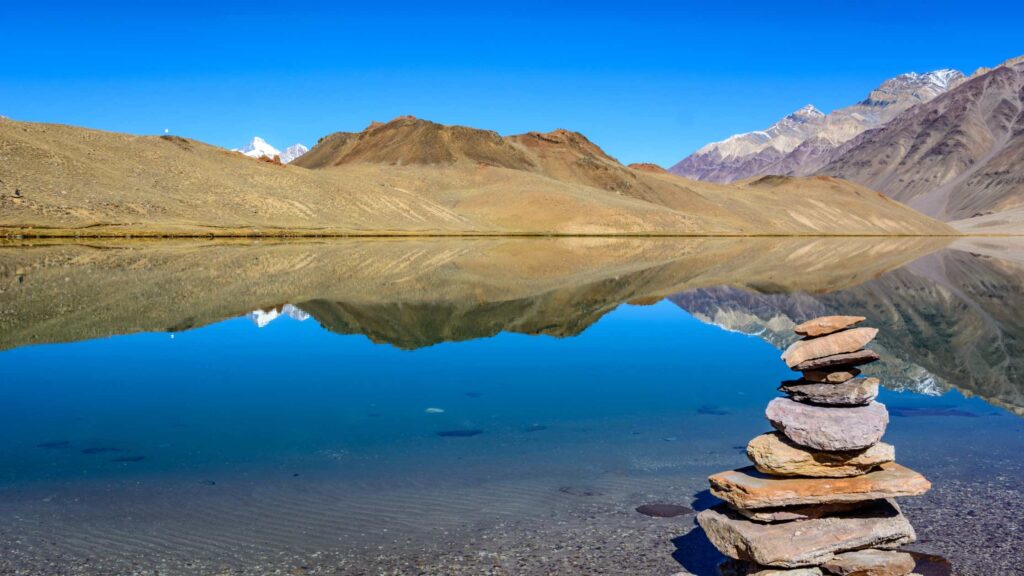
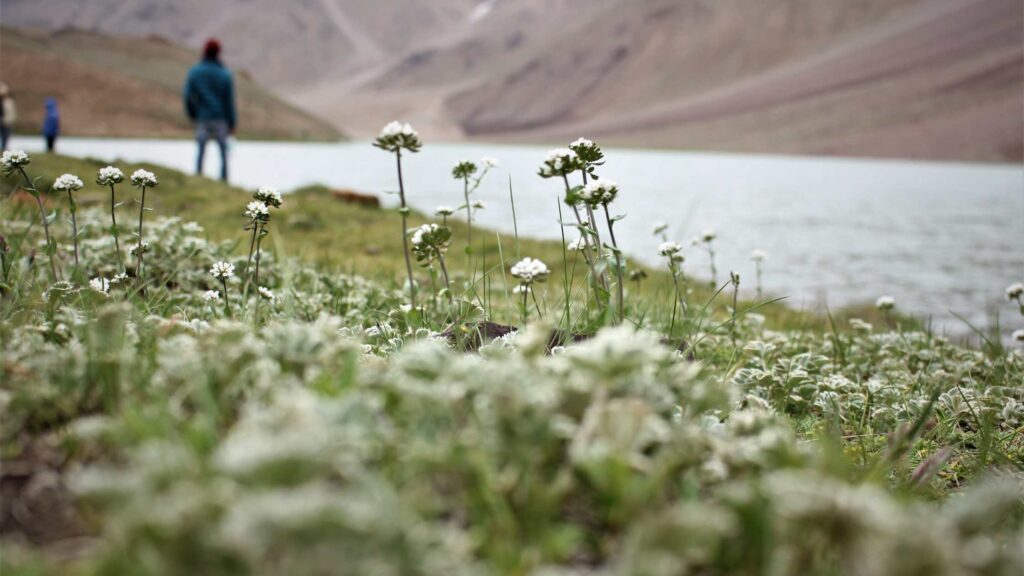
Chandratal itself is the payoff for the entire journey. The lake is pristine, the colors shift with the light, and the stillness at that altitude has a quality you do not find at lower elevations. Give yourself enough time here. Do not rush back.
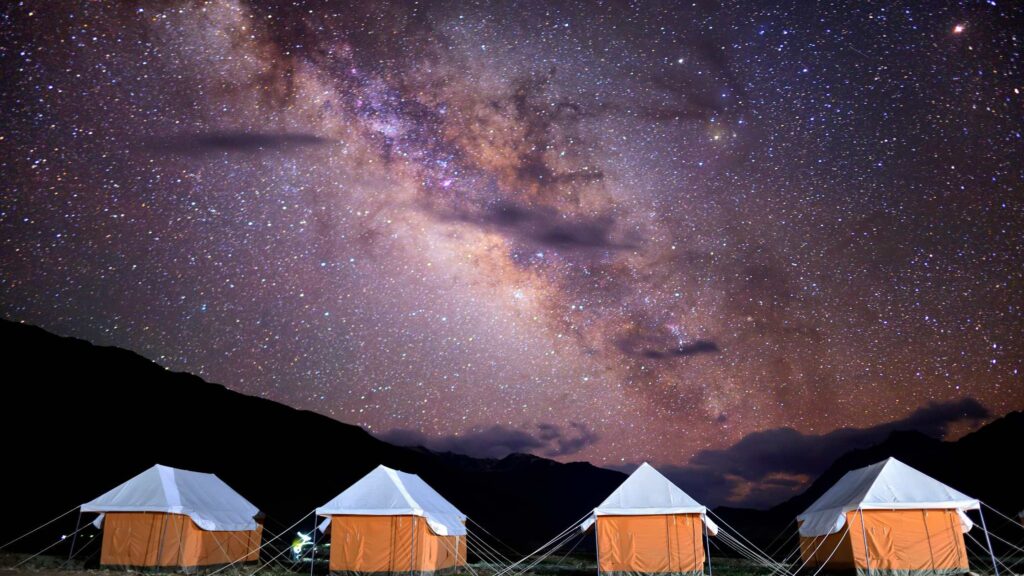
One thing every visitor should know: camping right beside the lake is banned. Designated camping areas are located about 2 to 3 km before the lake. If you plan to camp, set up at the official sites and walk to the lake from there.
Save your energy for this final approach. It is common for travelers to exhaust themselves at every earlier stop and then feel too tired to enjoy the lake properly. Pace yourself through the day so you have something left for the part that matters most.
Which Stops Deserve a Long Halt and Which Can Be a Quick Stop?
Not every stop on this route needs the same amount of your time, and knowing the difference helps you plan a better day.
The longer scenic halts are Sissu and the lake itself. Sissu is your first proper landscape break, and Chandratal is obviously the destination. These two deserve the most time. If Kunzum Pass conditions are good, add that to the longer halt list as well.
The tea and meal stops are Koksar and Batal. Koksar is a calm place to sit with chai and assess the road ahead. Batal is your last proper food stop before the lake. Do not skip either, especially Batal.
The quick photo stops are Atal Tunnel exit (north portal area, where permitted), Gramphu junction, and Chhatru. These add texture to the drive without requiring you to switch off the engine for long.
If you are a late starter or have lost time to unexpected delays, the first things to shorten are Chhatru and Gramphu. The last things to cut short are Batal (you need the food and the decision check) and Sissu (you need the early break to sustain you through the rough second half).
Where Should You Eat, Rest, and Plan Breaks on This Route?
Food planning on the Manali to Chandratal route is not something you can wing. There are no restaurants with printed menus after Manali. What you get are dhabas, small roadside stops, and in some stretches, nothing at all.
Batal is the most important meal stop on the route. The dhabas there serve simple, hot food, which is exactly what you need at that point in the journey. Many travelers eat a full meal here and carry some snacks forward for the final stretch.
Before Batal, you can eat at Sissu or Koksar if you stop there. Sissu has more options, but both are basic compared to what you would find in Manali.
Connectivity drops to near zero after you pass through the tunnel and move beyond Koksar. Do not count on making calls, checking maps, or using UPI for payments. Download offline maps before you leave Manali. Carry enough cash for the entire trip. Do not rely on ATMs, UPI, or cards once you are past Manali.
There is also the fuel issue. Route guides consistently report that there is no fuel station between Manali and Chandratal, and none between Manali and Kaza either. Fill your tank completely in Manali and carry extra fuel if your vehicle’s range is tight. Running low on fuel in this terrain is not an inconvenience. It is a serious problem.
For travelers interested in combining Chandratal with a broader Spiti loop, see our Spiti short circuit with Chandratal package.
Can You Do Manali to Chandratal in One Day, or Should You Break the Trip?
Let us be honest here. It is technically possible for some travelers to drive from Manali to Chandratal and back in a single very long day. But “possible” and “enjoyable” are different things.
The one-way drive takes around 6 to 9 hours depending on conditions. If you push hard, you might reach the parking area by early afternoon. Then you still have a 1.5 to 2 km walk at 4,270 m altitude to reach the lake. Then you need to walk back and drive the entire rough return stretch, arriving in Manali late at night, exhausted and with most of the drive done in fading light on bad roads.
The altitude gain is also significant. You go from about 2,050 m at Manali to over 4,200 m at the lake. Doing that in a single day, with hours of rough driving on top, is hard on the body. Headaches, nausea, and fatigue are common even for fit travelers.
In our experience, the better approach is to break the trip. You could overnight at Sissu or Koksar on the way up, then push to Chandratal the next morning with a fresh start and acclimatized body. Or you could drive to Batal on day one and camp near Chandratal that evening, giving yourself a relaxed morning at the lake before returning. Both options lead to a far better experience than cramming everything into one brutal day.
What Are the 2026 Permit, Safety, and Road-Condition Tips to Know Before Leaving?
Before you set out from Manali, there are a few practical things that can save you real trouble on the road.
Permits
The Himachal e-Aagman portal requires an e-permit per vehicle for the Atal Tunnel–Rohtang–Koksar–Chandertal circuit. The official Rohtang permit system at rohtangpermits.hp.gov.in is live for Rohtang Pass, Special Rohtang Pass, Beyond Rohtang, Hamta Pass, and Green Tax categories. Check both portals and get your documents sorted before departure.
Road status
The official District Lahaul and Spiti road-status page is the most reliable source. As of its last update on March 20, 2026, Manali to Keylong was open and Keylong to Kaza was closed. But conditions change, especially on the Chandratal stretch. Recheck within 48 hours of your departure. Do not rely on month-old updates.
Safety near Atal Tunnel
Some areas near the north portal of Atal Tunnel are under restrictions in 2026 due to avalanche risk. Follow all posted safety signs and do not stop at unauthorized spots, even briefly.
Fuel
Fill up completely in Manali. There is no fuel station between Manali and Chandratal. Carry extra if your vehicle has limited range.
Cash
ATMs, UPI, and card machines are unreliable or absent beyond Manali. Carry sufficient cash for food, emergencies, and any camping fees.
Vehicle
An SUV or a vehicle with high ground clearance is strongly preferred for the road after Gramphu. The route is not impossible for other vehicles, but a sedan or hatchback will struggle on the rough patches and water crossings, and you risk getting stuck in a place where recovery help is hours away.
Connectivity
Expect zero or patchy mobile signal beyond Koksar. Download offline maps and share your travel plan with someone before you leave.
Sample Itineraries Based on Your Pace
Fast but sensible (1 long day plus drive back)
Leave Manali by 5 AM. Drive through Atal Tunnel, make a short stop at Sissu for tea and photos. Continue past Koksar and Gramphu without long halts. Eat at Batal. Reach Chandratal parking by early afternoon, walk to the lake, spend an hour, and begin the return by 3 PM. You will reach Manali late but in one day. This is tiring but doable for experienced mountain drivers and fit travelers. Not recommended for families or first-time visitors to high altitude.
Relaxed 2-day version
Day one, leave Manali by morning and drive to Sissu or Koksar. Spend the afternoon enjoying the valley, eating well, and resting. Stay overnight. Day two, leave early and push to Chandratal via Gramphu, Chhatru, and Batal. You arrive at the lake fresher, better acclimatized, and with more energy to enjoy the walk and the views. Return to Manali the same evening or stay at a designated camping site near the lake and drive back on day three.
Scenic road trip pace (3 days)
Day one, drive from Manali through Atal Tunnel to Sissu. Spend the afternoon and evening exploring the Sissu valley at leisure. Day two, drive from Sissu through Koksar, pause at Gramphu, enjoy the Chhatru scenery, eat at Batal, and if conditions and energy allow, detour to Kunzum Pass. Reach Chandratal and camp at the designated site. Day three, walk to the lake at sunrise, soak in the morning light, return to camp, and drive back to Manali with stops as needed. This is the version our team recommends for anyone who has the time. The lake is more rewarding when you are not racing to get there.
Final Verdict: Which Stops Are Actually Worth It?
If you want a single answer, the best all-round stop is Sissu. It is scenic, easy to access, good for all ages, and sets the tone for the rest of the drive.
The best scenic stop on the higher reaches is Kunzum Pass, if weather cooperates. Nothing else on this route gives you that scale of panoramic high-altitude landscape.
The best food stop is Batal. It is basic, but it is honest mountain food at the exact point in the journey where you need it most.
The best stop for travelers who do not want to overdo the day is Koksar. It is calm, uncrowded, and gives you a real sense of Lahaul without demanding a full day of effort.
And Chandratal itself is, of course, the reason you are on this road in the first place. Make sure you save enough time and energy to enjoy it properly.
If you would like help planning your Manali to Chandratal trip, whether it is arranging a reliable driver, checking live road conditions, or building a route plan around your comfort level, Send us your dates on WhatsApp and we will help you put it together.
FAQs
What are the best places to stop between Manali and Chandratal?
The main stops worth making are Atal Tunnel (for the landscape transition), Sissu (for scenery and a proper break), Koksar (for a quieter tea halt), Batal (for food and a condition check), and Kunzum Pass (for high-altitude views if weather allows). Gramphu and Chhatru are brief stops, not sightseeing destinations.
Is Sissu worth stopping at on the way to Chandratal?
Absolutely. Sissu is one of the best early stops on this route. The waterfall views, easy access, and relaxed atmosphere make it ideal for families, couples, and anyone who wants a scenic break before the road gets rough.
Is Koksar better than Sissu?
They serve different purposes. Sissu is more scenic and tourist-friendly. Koksar is quieter and more low-key. If you have time for only one, Sissu is usually the more rewarding halt. But Koksar is a great choice if you prefer calm over scenery.
Can I do Manali to Chandratal in one day?
Technically yes, but it is not the best experience for most travelers. The drive is 6 to 9 hours one way on increasingly rough roads, and the altitude gain is significant. Breaking the trip with an overnight at Sissu, Koksar, or Batal leads to a much better experience.
Do I need a permit for Chandratal?
Yes. The Himachal e-Aagman portal requires an e-permit per vehicle for the Atal Tunnel–Rohtang–Koksar–Chandertal circuit. Sort this out before you leave Manali.
Is Atal Tunnel route better than Rohtang Pass?
For most travelers heading to Chandratal, the Atal Tunnel route is faster, easier, and more practical. Rohtang Pass has its own appeal as a scenic drive, but it adds significant time and is dependent on seasonal opening and permits. For a detailed comparison, read our article on Rohtang Pass or Atal Tunnel.
How bad is the road after Gramphu?
It gets noticeably worse. Paved road largely ends at Gramphu, and from there to Chandratal you are dealing with rough tracks, loose gravel, water crossings, and stretches that require patience and a vehicle with good ground clearance. The Batal to Chandratal 14 km stretch is particularly rough.
Can I take a hatchback or sedan?
It is strongly discouraged for the stretch after Gramphu. An SUV or any vehicle with high ground clearance is much better suited for this route. A sedan or hatchback may technically make it in ideal conditions, but you risk getting stuck on the rough patches, and recovery help is not easily available.
Where should I eat on the way?
Sissu and Koksar have basic eateries for your first half. Batal is the last proper food stop before Chandratal, with dhabas serving simple hot meals. Carry snacks and water from Manali for the stretches in between.
Is Kunzum Pass on the same route?
Not exactly. Kunzum Pass is a short detour off the main Manali to Chandratal road. It is about 21 km from Chandratal. Most travelers take the detour for the views and the temple, but it is not compulsory and should be skipped if weather is bad or energy is low.
Is there fuel or ATM on the way?
No fuel station has been reported between Manali and Chandratal, or between Manali and Kaza. Fill your tank completely in Manali and carry extra fuel if needed. ATMs and digital payment options are also unreliable or absent beyond Manali. Carry cash.
When does Chandratal usually open in 2026?
The estimated opening is around late May to mid-June depending on snow clearance. The safe general season runs from mid-June to September. Check the official Lahaul-Spiti road status page and local updates before finalizing your dates.
Also Read: Best Family-Friendly Snow Spots Near Manali in May (2026 Guide)