
March in Jibhi sits right between winter and spring. That is exactly what draws travellers looking for a quiet forest getaway with cold weather charm and fewer crowds.
The days can feel pleasant in the sun, but mornings and evenings stay cold. The biggest variable in March is not Jibhi village itself. It is the higher elevation sections toward Shoja and Jalori Pass, where road conditions can change from week to week due to snowfall, ice, or temperature swings.
This guide is realistic about planning a Jibhi trip in March. No snow hype. You will learn how the weather actually feels, whether Jalori Pass is going to be passable, how to approach the Serolsar Lake trek safely, and what itinerary works best for 2, 3, or 4 days.
It could snow. But it is not guaranteed. Your best March plan should be flexible.
Quick Answers
Is Jibhi worth visiting in March? Yes. If you are looking for pine forests, waterfalls, calm stays, and crowd free days, March is a great pick.
Will you find snow in March? Possible near Shoja and Jalori Pass. Not guaranteed in Jibhi village.
Is Jalori Pass open in March? Sometimes. Temporary closures happen, so always plan with an alternate day in hand.
Best duration for a Jibhi trip in March? 3 days is ideal. 4 days if you want slow travel and a weather buffer.
Jibhi Weather in March (What It Actually Feels Like)
Temperature and Overall Vibe
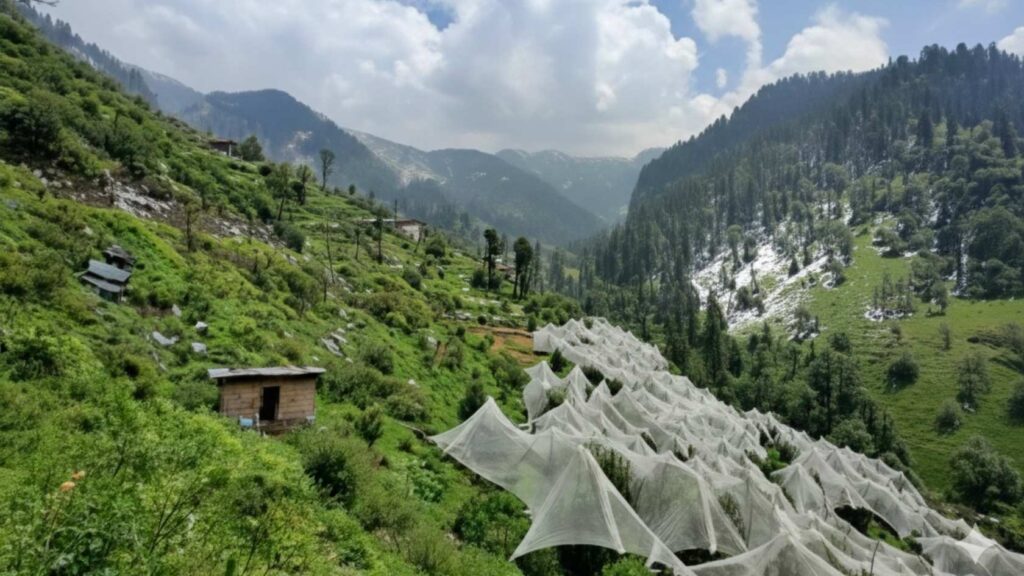
If you are checking Jibhi temperatures for March, keep two things in mind. Mornings and nights are cold, especially indoors without heating. Afternoons are quite comfortable in the sun.
There is a big difference between being in shade and being in the sun. It can feel up to 10 degrees cooler in the shade.
Late March feels noticeably warmer than early March.
This weather makes March great for forest walks, waterfall visits, sunny cafe sessions, and slow travel that does not tire you out.
You will not be wearing shorts yet.
Rain and Snow Chances in March
March is a transition month, which means light rain spells are possible, occasional snowfall can still happen at higher altitudes, and fresh snow can make the Shoja to Jalori road icy.
Important safety note: Light snow can create slippery roads. Ice is often more dangerous than snow itself.
The weather conditions directly affect road access from Jibhi to Jalori Pass, travel from Jibhi to Shoja, and access to the Serolsar Lake trek.
Jibhi in March vs April (Quick Comparison)
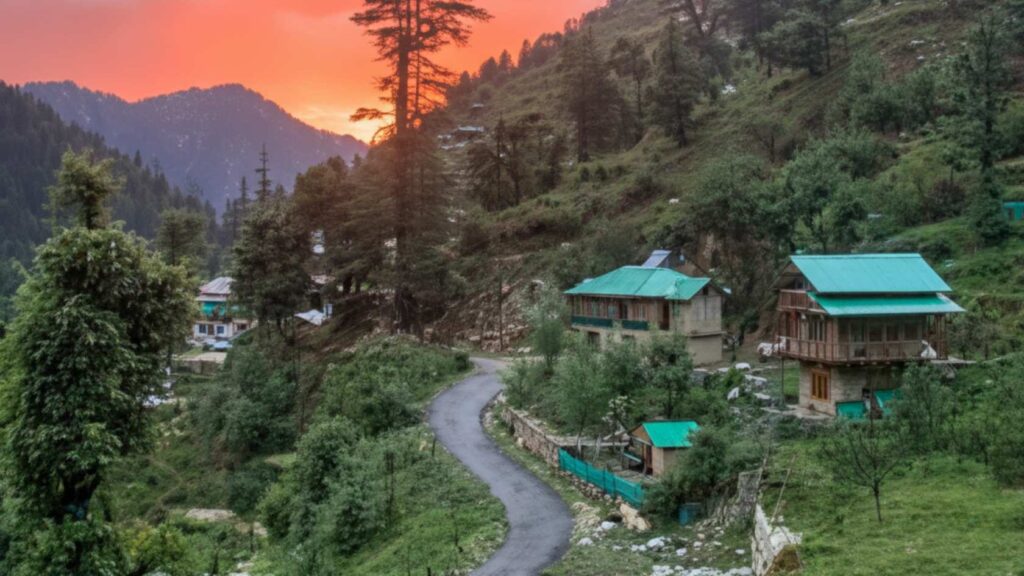
मार्च is quieter with cold, dark nights. There is more of a winter feel near Jalori. Tourist numbers are low.
अप्रैल brings warmer days, easier movement, more visitors, and better access to Jalori.
If you value quiet over ease of movement, choose March. If you value comfort and easier access, choose April.
Does Jibhi Get Snow in March?
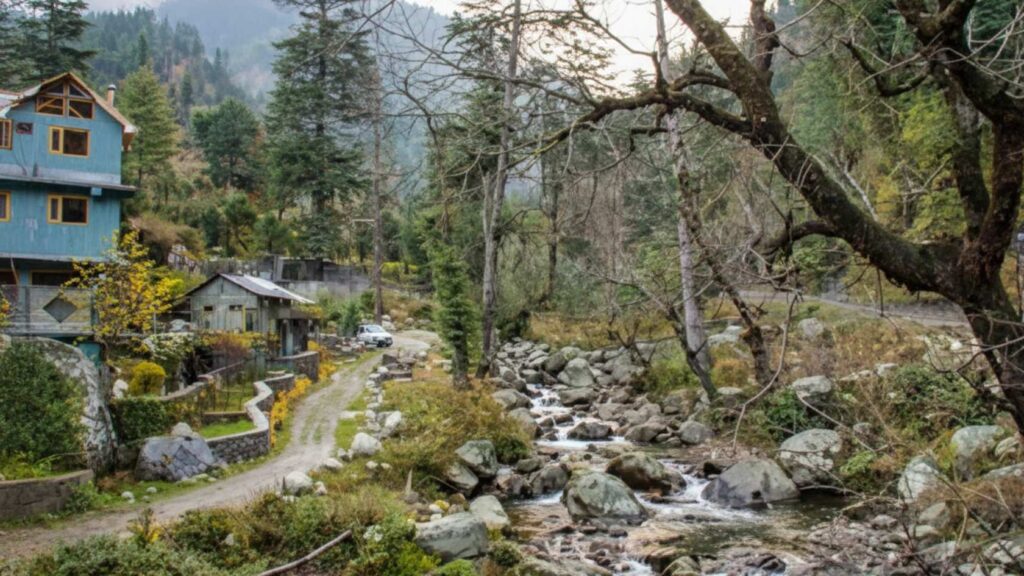
This is one of the most commonly searched questions about a Jibhi trip in March. Here is the honest answer.
Jibhi village: Snow is not guaranteed. It may or may not happen.
Higher areas like Shoja and Jalori: Snow is much more likely at these altitudes.
Forest patches: You may find some patches of old snow under the trees.
If snow is the main reason for your trip, set your expectations right. The best mindset for March is to come for the pine trees, the waterfalls, the peace, and the fresh air. If snow shows up, treat it as a wonderful bonus.
Best Time to Visit Jibhi in March (Early vs Late)
Early March
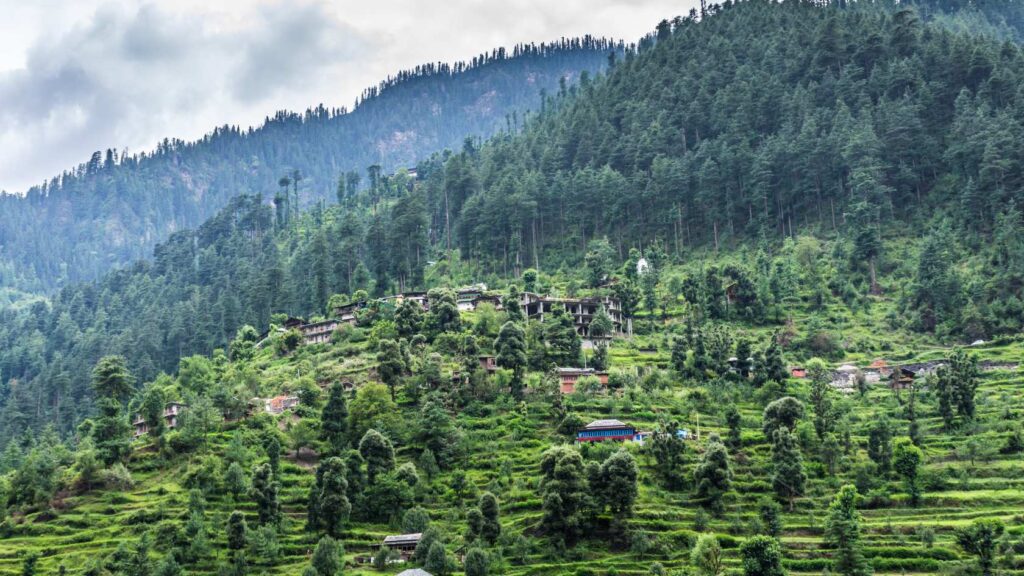
Nights are colder. There is a higher chance of road issues near Jalori. The villages are very quiet and tourist numbers are at their lowest.
Mid to Late March
Days are slightly warmer. The odds of reaching Jalori improve. It is still uncrowded but a little more balanced in terms of conditions.
Best time to visit Jibhi in March: Mid to late March gives you the most balanced conditions with fewer weather surprises.
Is Jalori Pass Open in March? (Reality and Smart Strategy)
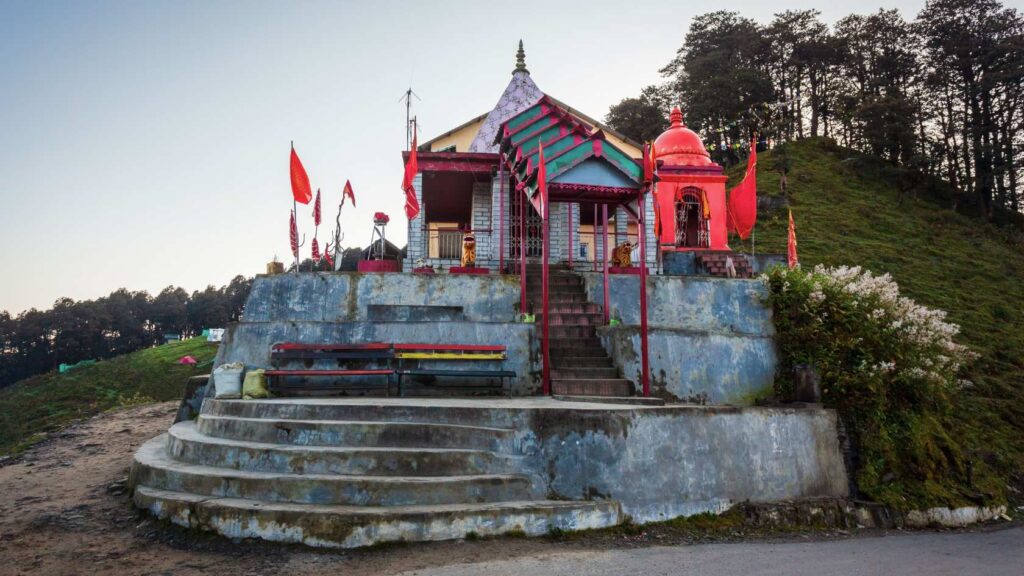
If your March trip to Jibhi includes a visit to Jalori Pass, this section matters the most.
The Truth Without Filters
Weather decides whether you can travel over Jalori Pass in March. Some days the pass is clear. Other days, fresh snow, ice, or slush makes the road unusable. This is especially true in early March.
This is why questions like “Is Jalori Pass open in March?” or “Jalori Pass road status in March” never have a simple yes or no answer.
When Are Your Chances Better?
A few things improve your odds of getting through.
Travel in the middle to end of the month. Make sure there has been no fresh snowfall in the 48 to 72 hours before your planned visit. Get on the road early. Ice melts as the sun rises, so the longer you wait, the more traffic builds up and conditions shift.
प्रो टिप: When Jalori Pass is open, leave by 8 to 9 AM. The longer you wait, the greater the chances of encountering ice and fog.
Road Conditions from Jibhi to Jalori Pass in March
Here is what the road feels like at this time of year. It is a very narrow mountain road with sections of black ice in shaded areas that are hard to see and extremely slippery. Expect patchy snow and slush in places, along with steep inclines as you near the pass.
Because of these conditions, always use an experienced local driver. Avoid driving back in the evening when black ice risk is highest. Avoid taking small hatchbacks after a snowstorm.
If you are using a taxi, ask your hotel or homestay specifically, “Have any taxis gone to Jalori Pass today?” That gives you a real time answer rather than a guess.
How to Plan Jalori Without Ruining Your Trip
The most common mistake is locking Jalori into Day 1 of your trip.
A smarter strategy for March looks like this. Arrive in Jibhi on Day 1, explore the village, and gather road condition updates. On Day 2, assess conditions and attempt Jalori if it looks safe. Keep Day 3 flexible as a backup day or use it for a Tirthan Valley trip.
This approach keeps your plans stress free.
Best Backup Plan If Jalori Is Closed
If Jalori Pass is closed when you arrive, your trip is far from ruined. March has plenty of other great options.
Same day alternatives: Jibhi Waterfall and a forest walk, cafe hopping and visiting nearby villages, or spending time by the riverside (staying off wet, slippery rocks).
Full day alternative: A trip to Tirthan Valley or the Gushaini area. It sits at a lower elevation, has more reliable roads, and offers a quieter river and forest setting. This is why many travellers prefer having Tirthan Valley as their March backup. It is much more dependable than the Jalori side.
Serolsar Lake Trek in March (Is It Possible?)
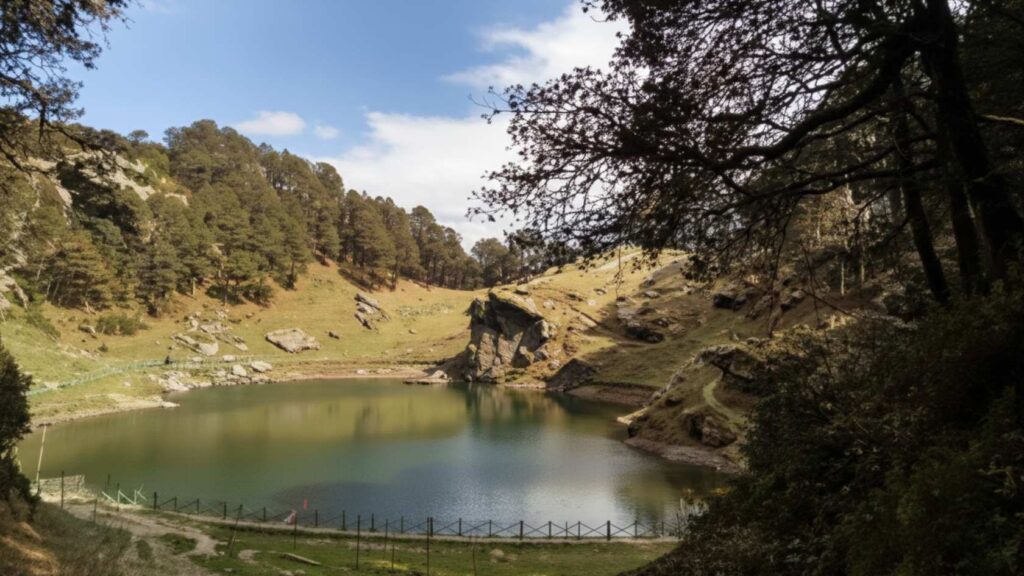
Can You Do the Serolsar Lake Trek in March?
In many cases, yes. But the answer depends entirely on conditions.
You can attempt the trek if you can get to Jalori Pass, there is no fresh heavy snow, and visibility is clear. Do not assume this is going to be an easy summer hike.
Serolsar Lake Trek Difficulty
Although popular, this is a moderate hike, not an easy one. The trail goes uphill. There may be patches of snow and ice. The top section can be quite windy. Tree cover keeps certain sections cold and icy throughout the day.
If you are a beginner: Doable with breaks, but not suitable in bad weather.
Not recommended if: Visibility is poor, it is actively snowing, or you are starting the hike after late morning.
How Long Is the Serolsar Lake Trek in March?
One way takes about 1.5 to 2 hours depending on snow conditions. The total round trip including breaks takes 4 to 5 hours. Start early. Afternoons in March can turn cloudy and windy quickly.
Quick Trek Tips for March
Wear shoes with strong grip. This is the single most important thing. Carry water and light snacks. Wear a warm layer even if the sun feels nice when you start. Carry a rain and windproof shell. If the ice underfoot feels unsafe, turn around. Do not push through risky sections for the sake of completing the trek.
Good alternative: Raghupur Fort is an excellent option with equally amazing views and less exposure to risky ice patches.
Best Things to Do in Jibhi in March
March is a great month to visit Jibhi because you get the peace of forests and fresh air without peak season crowds. The key is to plan your days around what March offers: beautiful soft sunlight, peaceful walks, and flexible day trips.
1. Jibhi Waterfall (Best in the Morning)
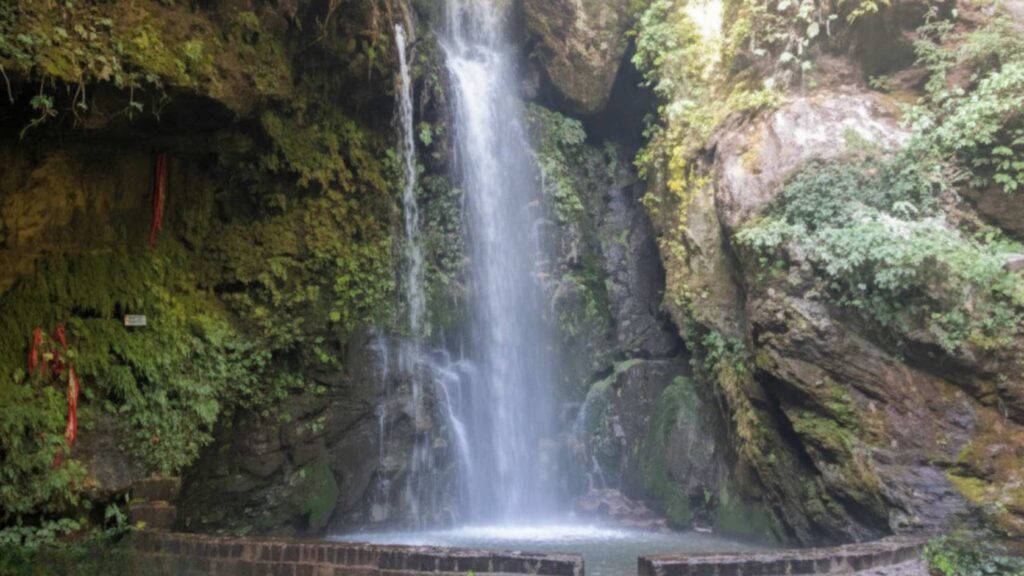
If you want a first day win, the waterfall is your answer. Morning light is softer, there are fewer people, and walking to the waterfall feels refreshing in the crisp air.
बख्शीश: Go as early as possible to avoid slippery spots and hear the sounds of the forest without the noise of other groups.
2. Forest Walks Near Your Stay
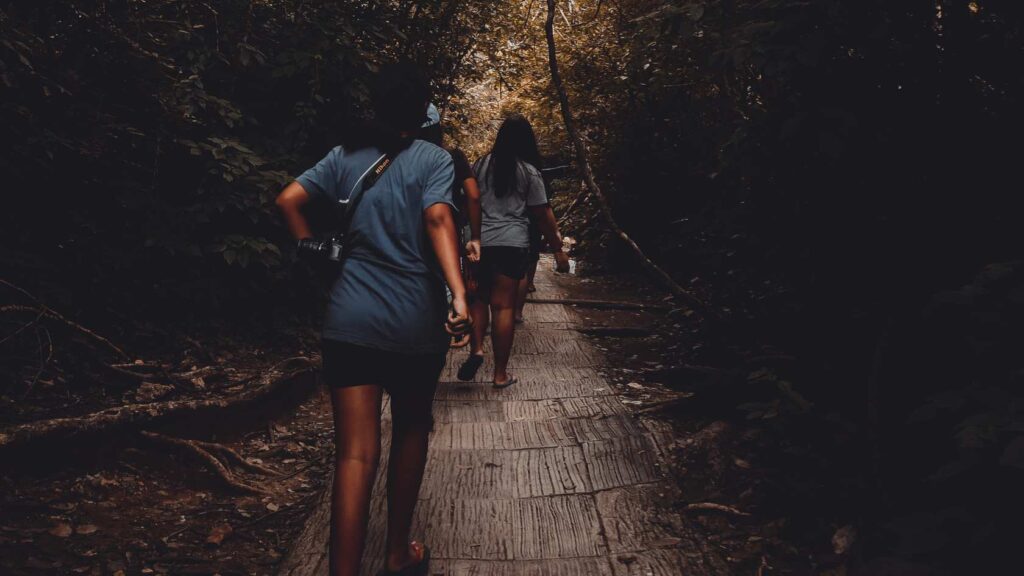
Walking in the forest in March feels special. It is not hot, so you can walk for longer stretches. The smell of pine is stronger in cold air. A 30 to 60 minute walk near your accommodation may turn out to be the best part of your entire trip. This is the most underrated March activity.
3. Riverside Time (With Caution)
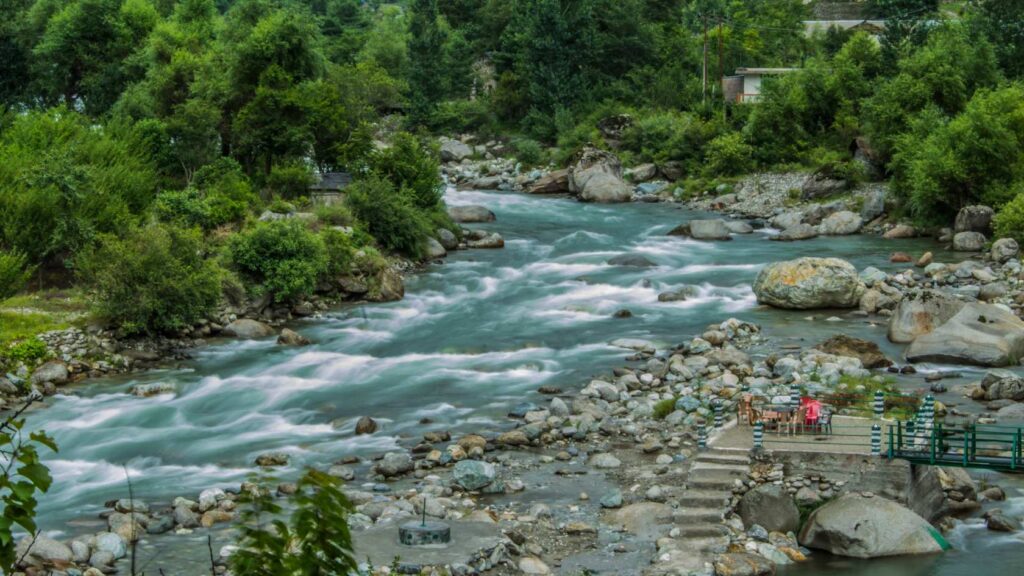
The river water in March is cold and the rocks are slippery. Find a flat, stable area to sit. Be still and take in the views and sounds. Stay off wet rocks.
What not to do: do not try jumping from rock to rock. It is easy to slip when everything is cold and damp.
Scenic Day Trips (Best for March)
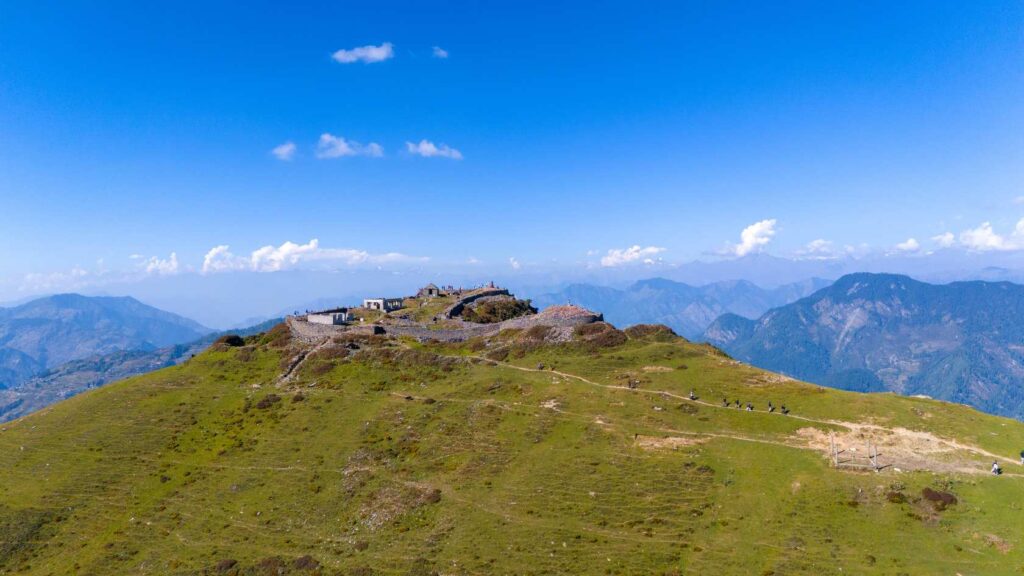
Shoja village viewpoints: If you are unsure about going all the way to Jalori, Shoja is a great middle ground. Higher altitude, colder, prettier, and better odds of finding snow patches. “Jibhi to Shoja in March” is one of the most searched routes for good reason.
Jalori Pass (only if open): If the pass is open, treat it as a weather gift. Head out early on Day 2 and return before sunset.
Raghupur Fort short hike: If Serolsar feels too risky, the Raghupur Fort hike offers similar ridge views, does not depend on finding a frozen lake, and is adventurous without being technical.
Add On Experiences If You Have Time
Tirthan Valley day (Gushaini side): Lower altitude and more accessible in March. Expect a quiet river vibe, nature calm, and less road risk compared to the Jalori side. Great for travellers comparing Jibhi vs Tirthan Valley in March.
GHNP Ecozone day (for nature lovers): A wonderful add on for anyone who enjoys walking and appreciating biodiversity. Ask locals about entry rules and guide requirements, as these may vary.
Best Itineraries for Jibhi in March (2 Day, 3 Day, and 4 Day)

2 Day Jibhi Itinerary
इसके लिए सर्वोत्तम: Quick weekend trip with minimal travel stress.
दिन 1: Arrive. Visit Jibhi Waterfall. Take a short forest walk. Enjoy a slow cafe evening.
दिन 2: Make an early attempt for Jalori if conditions allow. Use Tirthan as backup. Depart.
Why this works in March: You complete a satisfying trip even if Jalori is closed.
3 Day Jibhi Itinerary
इसके लिए सर्वोत्तम: First time visitors who want a balanced experience.
दिन 1: Arrive. Waterfall visit. Slow evening in the village.
दिन 2: Jalori Pass if open. Choose one: Serolsar Lake trek if conditions are safe, or Raghupur Fort hike as a reliable fallback.
दिन 3: Half day at Tirthan or Gushaini for calm river time. Depart.
Why 3 days is ideal: You get one high adventure day (Jalori side) and one safe, reliable nature day (Tirthan).
4 Day Jibhi यात्रा कार्यक्रम
इसके लिए सर्वोत्तम: Slow travellers, couples, or anyone who wants maximum flexibility.
दिन 1: Arrive. Easy exploration. Warm cafe evening.
दिन 2: Jalori, Serolsar, or Raghupur day depending on roads and weather. This is your main adventure day.
दिन 3: Slow day at Tirthan. Nature time and riverside relaxation.
दिन 4: Optional extras like GHNP Ecozone or more forest walks. Depart.
Why 4 days is ideal in March: You do not have to force the Jalori visit. If Day 2 does not work out, you can try again on Day 4 or fill the time with more nature days.
Where to Stay in March (Jibhi vs Shoja vs Tirthan)
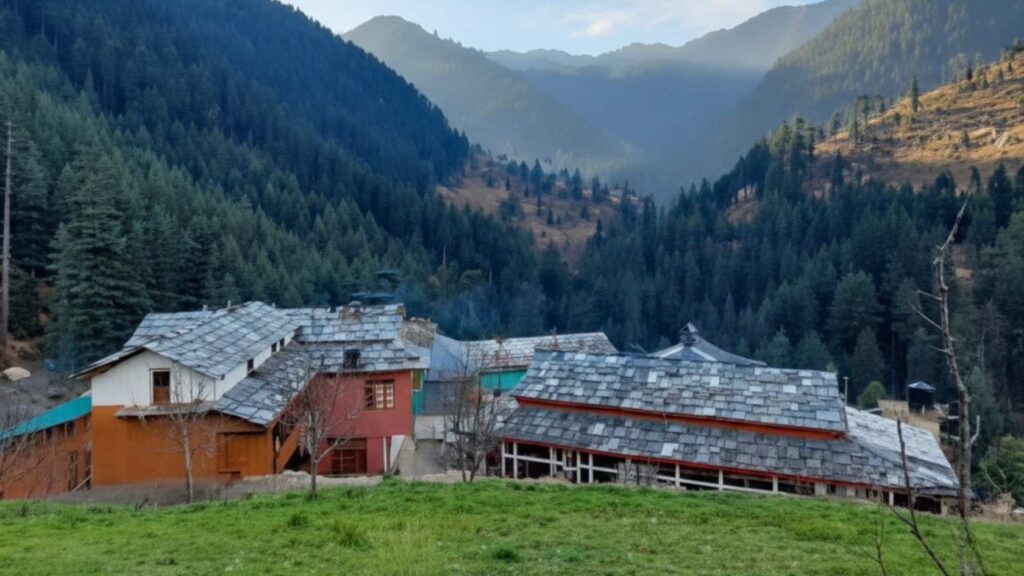
Stay in Jibhi
Best for easy access to the waterfall and walking trails. Good cafe culture and perfect for first time visitors. Less cold compared to Shoja.
Choose Jibhi if you want a comfortable base with flexibility for day trips.
Stay in Shoja
Best for higher altitude stays with a better chance of snow patches. Quieter and more view focused than Jibhi. Closer to Jalori Pass and the Serolsar trek starting point.
Reality check: Nights will be colder, so make sure your accommodation has proper heating.
Choose Shoja if you want a winter vibe and can handle colder evenings.
Stay in Tirthan Valley
Best for riverside calm, nature lovers, and slow travel. Movement is easier in March since the Jalori side roads may not always cooperate.
Choose Tirthan if you want a peaceful vacation in March without worrying about pass road conditions.
How to Reach Jibhi in March (Planning Logic)

Nearest Route (Most Reliable)
Delhi or Chandigarh to Aut to Banjar to Jibhi.
Aut is the main junction on National Highway 3. Jibhi is about 35 to 40 km from Aut through Banjar. Roads up to Aut are generally reliable in March. Mountain conditions begin once you pass Banjar.
Coming by Bus or Volvo
You can take an overnight bus or Volvo from Delhi or Chandigarh to Aut or Banjar depending on availability. A local taxi takes you from Aut or Banjar to Jibhi.
Confirm local taxi availability before you leave in the evening. It can be cold and quiet at the drop off point at night.
Self Driving Notes for March
Only drive during daylight hours. Watch for fog and wet spots, especially near river curves. Do not drive back from Shoja or Jalori road after dark.
Local Transport in March
Shoja and Jalori require local drivers who are confident on these roads. Early morning is the safest time to travel because there is less ice and better visibility. After snowfall, open roads can become unsafe in the afternoon. If locals look uncertain about conditions, do not push your plans.
Jibhi to Jalori Pass Taxi Fare and How to Save

What Affects the Fare
The fare depends on the time of season (March rates shift from week to week), the vehicle type (hatchback vs SUV), road conditions (higher rates apply when there is ice or snow), and whether you book a half day or full day.
Ways to Reduce Your Fare
Ask your homestay host for a local fixed price. Request a combined package covering Shoja, Jalori, and trek drop off in one booking. Plan at least a half day for the Jibhi to Jalori round trip.
Budget and Trip Cost for Jibhi in March

Costs vary based on vehicle type, accommodation category, and whether Jalori and trek days are part of your plan.
Budget trip (backpackers): Shared transfers or economy cabs. Simple stays with basic heating. Focus on forest walks and the waterfall. Minimal add ons.
Standard trip (most common): Private cab for local sightseeing. Comfortable stay with good heating. One day for Jalori and trekking. Balanced pace between activity and rest.
Premium trip (most comfortable): Best view stays. Flexible scheduling with early morning starts. Private transfers throughout. Extra buffer days purchased for weather flexibility.
Packing List for Jibhi in March

Thermals, fleece, and a warm jacket: Layers are more effective than one heavy coat.
Waterproof outer layer: Light rain and snow are both possible.
Grippy shoes: This is non negotiable. Mud, ice, and wet rocks are everywhere.
Gloves, beanie, and warm socks: Mornings and evenings get cold fast.
Power bank and basic medicines: Charging points may be limited. Carry basics for headache, cold, and stomach trouble.
Lip balm and sunscreen: Cold air dries your lips quickly and the sun at altitude can burn even in March.
बख्शीश: The cold in March feels much sharper in the shade. Pack for the morning and evening temperature, not the sunny afternoon.
अक्सर पूछे जाने वाले प्रश्न
Is March a good time to visit Jibhi?
Yes. March is a good time for peaceful nature, forest hikes, waterfalls, and uncrowded places. It sits between winter and spring, offering a calm experience with cool weather.
What is the weather like in Jibhi in March?
Cold in the mornings and evenings. Comfortable in the afternoon sun. There is a sharp difference between shade and sunlight. Late March is warmer than early March.
Does Jibhi village get snow in March?
Snow in Jibhi village is not guaranteed. Higher areas like Shoja and Jalori are more likely to have snow depending on recent weather. Forest patches may hold older snow under the trees.
Will Jalori Pass be open in March?
It depends on weather. The pass can open and close within the same week. After snowfall, temporary closures happen. Mid to late March tends to be more reliable than early March. Always have an alternate plan.
Is Jalori Pass accessible in early March?
Early March is the least reliable time for Jalori access. Roads are more likely to have ice and snow. If you are travelling in the first two weeks, keep Tirthan Valley as your primary backup.
Can I do the Serolsar Lake trek in March?
Usually yes, as long as you can reach Jalori Pass and the weather is clear. The trail may have snow and ice patches, so wear grippy shoes and start early. Do not attempt it in poor visibility or active snowfall.
How difficult is the Serolsar Lake trek?
It is a moderate hike with a steady uphill climb. Snow and ice in March add to the difficulty. Beginners can manage it with breaks, but it is not suitable in bad weather. The round trip takes about 4 to 5 hours.
How many days are enough for Jibhi in March?
Three days is ideal. It gives you one day for arrival and village exploration, one day for Jalori or a trek, and one day for Tirthan Valley or a backup plan. Four days is better if you want flexibility.
Is March crowded in Jibhi?
No. Jibhi is much less crowded in March compared to April or May. You will find quieter trails, less traffic on the roads, and more availability at stays and cafes.
Is it safe to visit Jibhi in March?
Yes, with basic precautions. Travel during daylight hours, follow local advice on road conditions, and have an alternate plan if the pass is closed. Avoid driving to higher areas after dark.
What should I pack for Jibhi in March?
Warm layers including thermals and fleece, a waterproof outer jacket, shoes with strong grip, gloves, a beanie, and a portable power bank. Do not forget lip balm and sunscreen.
Is Jibhi or Tirthan Valley better in March?
Jibhi is better if you want forests, waterfalls, and a shot at Jalori Pass. Tirthan Valley is better if you want riverside peace and dependable road access. Many travellers visit both in a 3 or 4 day trip.
Should I stay in Jibhi or Shoja in March?
Stay in Jibhi for convenience, more food options, and easier day trip access. Stay in Shoja if you want higher altitude views, a colder winter feel, and proximity to Jalori Pass.
What is the best 3 day itinerary for Jibhi in March?
Day 1: Arrive, visit Jibhi Waterfall, take a forest walk. Day 2: Attempt Jalori Pass and either Serolsar Lake trek or Raghupur Fort depending on conditions. Day 3: Half day at Tirthan or Gushaini, then depart.
What can I do if Jalori Pass is closed in March?
Visit the waterfall and take forest walks. Explore local cafes and nearby villages. Spend a full day at Tirthan Valley or the Gushaini side. You can also check out the GHNP Ecozone area.
Plan Your Jibhi Trip with Us
March in Jibhi rewards flexible travellers. The forests, the waterfalls, and the mountain air make it worthwhile regardless of snow or Jalori access.
Share your travel dates, starting city, group size, and budget with our team. We will put together a custom plan based on real time conditions, honest updates, and local knowledge. No guesswork, no inflated promises.
Your Jibhi trip is waiting. Let us help you plan it right.
यह भी पढ़ें: मार्च 2026 में मनाली में बर्फ कहाँ मिलेगी: वास्तविक बर्फ के स्थान, मार्ग, लागत और लाइव जाँच