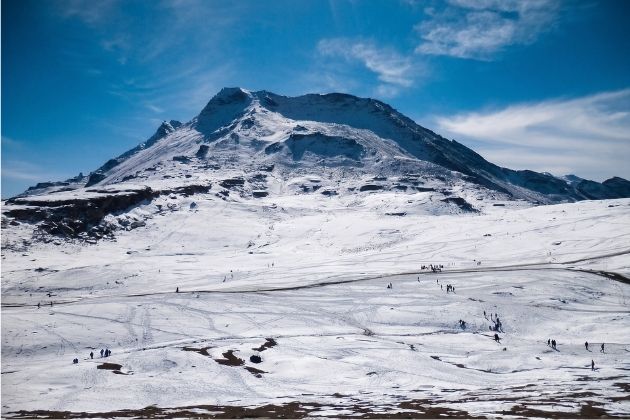
स्पीति के लिए शीतकालीन पैकेज
Experience the quieter and more dramatic side of the Himalayas with our Winter Spiti tour packages. Travel through snow-covered villages, frozen landscapes, ancient monasteries and remote mountain roads with experienced local drivers and carefully planned overnight stops.
Our winter itineraries are designed for couples, solo travellers, friends, photographers and private groups. You can choose a shorter Spiti Valley snow tour package or a longer journey covering Shimla, Kinnaur, Tabo, Kaza and nearby high-altitude villages.
Package routes, sightseeing and overnight stops remain subject to current weather, snow accumulation, road access and official travel advisories.
Choose the Best Winter Spiti Valley Tour Package
Our Spiti Valley winter tour packages include different durations and route options. Shorter itineraries focus on Kalpa, Nako, Tabo and Kaza, while longer tours can include Sangla, Rakcham, Chitkul, Dhankar and the villages around Kaza.
Travellers can choose shared departures or request a private Winter Spiti 4×4 tour. The final itinerary can be customised according to your travel dates, number of travellers, preferred duration and pickup point.
The Kinnaur snow package displayed on this page is suitable for travellers who want a shorter winter experience without completing the entire Spiti Valley circuit. Travellers specifically looking for Spiti should choose an itinerary that includes Tabo and Kaza.
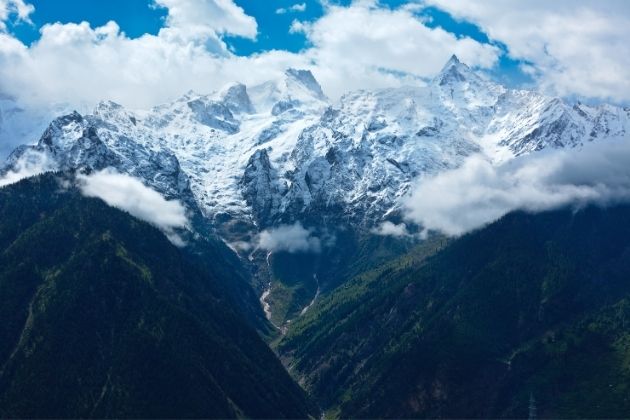
- 4एन/5डी
प्रति व्यक्ति ₹21,999 से शुरू
- Shimla, Sangla, Rakcham, Chitkul, Shimla
एक वैयक्तिकृत पैकेज का अनुरोध करें
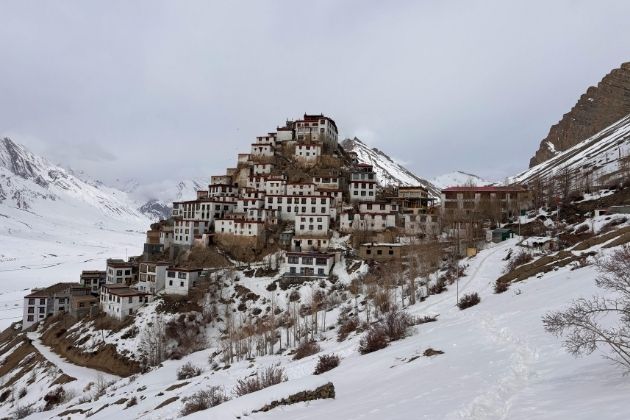
- 6एन/7डी
प्रति व्यक्ति ₹23,999 से शुरू
- Kalpa, Nako, Tabo, Kaza, Langza, Hikkim, Komik, Key Monastery, Kalpa
एक वैयक्तिकृत पैकेज का अनुरोध करें
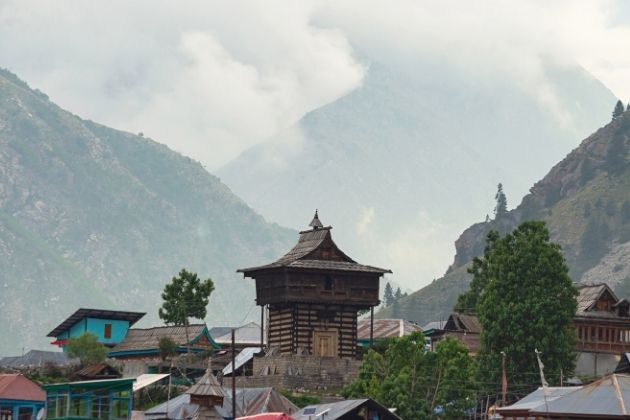
- 8एन/9डी
प्रति व्यक्ति ₹26,999 से शुरू
- Shimla, Sangla, Rakcham, Chitkul, Nako, Tabo, Dhankar, Kaza, Langza, Hikkim, Komik, Key Monastery, Kibber, Kalpa, Shimla
एक वैयक्तिकृत पैकेज का अनुरोध करें
- 9एन/10डी
प्रति व्यक्ति ₹28,499 से शुरू
- Shimla, Kalpa, Nako, Tabo, Kaza, Langza, Hikkim, Komik, Key Monastery, Jibhi, Jalori Pass, Shimla
एक वैयक्तिकृत पैकेज का अनुरोध करें
Why Choose Our Spiti Valley Winter Tour Packages?
Winter travel in Spiti requires careful route planning, suitable vehicles, realistic driving hours and flexibility. Conditions can change quickly after fresh snowfall, so winter itineraries should never be planned like regular summer tours.
Experienced Local Drivers
Our winter journeys are operated with drivers familiar with the Shimla, Kinnaur and Spiti routes. They assess road conditions, weather and local advisories before continuing towards the next destination.
Suitable Winter Vehicles
Selected packages use 4×4 SUVs suitable for difficult mountain roads and snowy sections. Vehicle type is mentioned in the final quotation and depends on group size, route and package selected.
Flexible Winter Itineraries
Winter itineraries include reasonable travel time and may be adjusted when snowfall, black ice, road maintenance or local restrictions affect the original route.
Winter Ready Accommodation
Accommodation is selected from properties operating during the winter season. Heating arrangements, hot water availability, meal plans and room facilities can vary by destination and property. Exact facilities should be confirmed before booking.
Local Assistance
Our team remains in contact with drivers, accommodation providers and travellers during the journey. Alternative plans are considered when a scheduled attraction or road becomes temporarily inaccessible.
Winter Spiti Tour from Shimla: Route and Road Conditions
A Winter Spiti tour from Shimla generally travels through the Kinnaur side, covering destinations such as Narkanda, Kalpa, Nako and Tabo before reaching Kaza.
The Manali to Kaza route through Kunzum Pass is seasonal and should not be included in a normal winter itinerary. The Shimla and Kinnaur route can also experience temporary closures, traffic restrictions, black ice and delays after snowfall.
No winter road should be described as permanently or fully accessible. Travellers should check the latest road update shortly before departure and remain prepared for itinerary changes.
Foreign travellers entering through the Kinnaur route should also verify current protected-area or inner-line permit requirements before travelling. Himachal Tourism notes that permit requirements may apply to foreign tourists using the Shimla and Kinnaur approach to Spiti.
Best Time to Visit Spiti Valley in Winter
The Winter Spiti season generally covers December to March, but the experience changes considerably during this period.
दिसंबर
December is suitable for travellers looking for the beginning of the winter season. Snowfall may occur, but the amount of settled snow varies each year. Daylight hours are shorter, and nights become extremely cold.
January and February
January and February generally bring the harshest winter conditions. These months are better suited to physically fit travellers who are comfortable with very low temperatures, basic facilities and possible road delays.
मार्च
March can offer snowy landscapes with gradually improving daylight and weather conditions. However, fresh snowfall and temporary road closures are still possible.
The best month depends on whether you prefer deeper winter conditions or comparatively easier travel. Snowfall and road access cannot be guaranteed for any specific departure.
Places to Visit in Spiti During Winter
The places covered during the journey depend on road access and the itinerary selected.
कल्पा
Kalpa is commonly used as an overnight stop while travelling through Kinnaur. It offers mountain views and helps divide the long journey towards Spiti into more manageable sections.
नाको
Nako is a small high-altitude village located on the route towards Tabo. A stop may be included depending on road conditions, daylight and the selected itinerary.
ताबो
Tabo is known for its historic monastery complex and is an important overnight or sightseeing stop on many winter itineraries.
काजा
Kaza is the main base for exploring central Spiti. Winter services are limited compared with summer, but selected homestays, hotels and local facilities remain available.
प्रमुख मठ
Key Monastery is one of the best-known monasteries near Kaza. A visit is subject to local road access and weather conditions.
किब्बर
Kibber may be covered with Key Monastery when the road is accessible. Winter visits should be decided locally rather than guaranteed in advance.
Langza, Hikkim and Komic
These high-altitude villages are popular for mountain scenery and traditional Spitian life. Access can be affected by snow, ice and wind, so the final sightseeing plan should be confirmed from Kaza.
धनखड़
Dhankar may be included in selected longer itineraries. Winter access depends on the condition of the connecting road and available daylight.
पिन वैली
A Pin Valley excursion should only be included when local roads are open and considered safe. It should be presented as weather dependent rather than a guaranteed sightseeing stop.
What Is Included in Winter Spiti Tour Packages?
- Exact inclusions vary between packages. A standard Winter Spiti package may include:
- Accommodation in winter-operational hotels or homestays
- Breakfast and dinner where mentioned
- Transportation in the vehicle specified in the itinerary
- Driver allowances, tolls and parking charges
- Sightseeing according to road and weather conditions
- Pickup and drop from the location mentioned in the package
- Trip assistance during the journey
- Basic emergency support arrangements where specified
- The final quotation should clearly mention the vehicle type, room-sharing arrangement, meals, pickup point, heating facilities and any additional charges.
What Is Normally Excluded?
- Unless specifically mentioned, the package price may not include:
- Flights and railway tickets
- Lunch and snacks
- Personal expenses
- Room heaters or heating charges where separately payable
- Entry tickets and camera charges
- Medical expenses and travel insurance
- Personal oxygen cylinders
- Snow boots and specialised winter equipment
- Additional accommodation caused by road closures
- Additional vehicle costs caused by route changes
- Wildlife guides and photography guides
- Anything not mentioned under package inclusions
Who Should Plan a Spiti Winter Trip?
A Winter Spiti trip is suitable for travellers who understand that the journey involves low temperatures, long road travel, limited facilities and possible itinerary changes.
It can be a good choice for:
- Couples looking for an unusual winter holiday
- Solo travellers joining an organised departure
- Friends planning a snow road trip
- Landscape and travel photographers
- Experienced Himalayan travellers
- Small private groups comfortable with basic mountain facilities
The trip may not be suitable for infants, very young children, travellers with poorly controlled medical conditions or anyone expecting luxury facilities at every destination.
Senior citizens and travellers with heart, breathing or blood-pressure concerns should consult a qualified doctor before planning a high-altitude winter journey.
How Many Days Are Enough for Winter Spiti?
- A comfortable Winter Spiti itinerary generally requires at least six to nine days, depending on the starting point and places covered.
- A six-night itinerary can cover Kalpa, Nako, Tabo, Kaza and selected nearby attractions.
- An eight or nine-night itinerary allows more time for Sangla, Rakcham, Chitkul or additional sightseeing around Kaza.
- Longer itineraries are usually better in winter because they provide more flexibility when snowfall, road delays or slower driving affect the original schedule.
- Avoid choosing an itinerary that covers too many destinations in a short period. Winter driving takes longer, and daylight is limited.
What to Pack for a Winter Spiti Tour
Packing correctly is essential for a comfortable winter journey.
- Carry thermal innerwear, warm mid-layers, an insulated winter jacket, waterproof outerwear, woollen socks, gloves and a warm cap.
- Wear waterproof shoes with a strong grip. Regular sports shoes may become wet and uncomfortable in snow.
- Also carry sunglasses, sunscreen, lip balm, moisturiser, a reusable water bottle, power bank, personal medicines and copies of your identification documents.
- Travellers should bring any doctor-prescribed medication in sufficient quantity because pharmacies and specific medicines may not be easily available in remote villages.
- Avoid carrying excessive luggage because vehicle space may be limited, particularly on shared group departures.
Book a Winter Spiti Tour from Shimla
Choose from our Spiti Valley winter tour packages and plan a journey according to your preferred dates, group size and trip duration.
Share your departure city, travel month, number of travellers and preferred package type to receive a customised itinerary with clear information about transportation, stays, meals, sightseeing and winter travel conditions.
अक्सर पूछे जाने वाले प्रश्न
Can tourists visit Spiti Valley during winter?
Yes, winter trips to Spiti are organised through the Shimla and Kinnaur side, subject to road and weather conditions. The final route can change after heavy snowfall, black ice, landslides or official restrictions. Travellers should remain flexible and confirm the latest status before departure.
How much does a Winter Spiti tour package cost?
The actual Spiti packages currently displayed on this page start from ₹23,999 per person, while the shorter Kinnaur snow tour starts from ₹21,999. The final cost depends on duration, vehicle, accommodation, meals, room sharing and whether the trip is private or shared.
Is the Manali to Kaza road open during winter?
The route from Manali to Kaza through Kunzum Pass is seasonal and should not be relied upon for a winter trip. Winter itineraries are normally planned from the Shimla and Kinnaur side, although that route can also experience temporary disruptions after snowfall.
Is a 4×4 vehicle compulsory for Winter Spiti?
A 4×4 SUV provides better capability on snowy and difficult road sections, but the appropriate vehicle depends on the route and current conditions. Travellers should confirm the exact vehicle model and seating arrangement before booking rather than assuming that every package uses a 4×4.
Is Winter Spiti safe for first-time visitors?
First-time visitors can travel with an experienced team, but they must understand the challenges involved. Winter Spiti has very low temperatures, long driving hours, limited medical facilities and unpredictable roads. A properly planned itinerary, suitable clothing and medical fitness are important.
Are hotels and homestays heated during winter?
Some winter-operational properties provide room heaters, traditional heating arrangements or heated common areas. Facilities vary significantly between properties and villages. Heating type, hot water timings and additional heater charges should be confirmed in the final package quotation.
Can snowfall be guaranteed during the tour?
No. Natural snowfall cannot be guaranteed for any date. Travellers may find settled snow even when it is not actively snowing, but the amount varies according to recent weather, altitude and location.
Can solo travellers join a Winter Spiti group tour?
Yes, solo travellers can join scheduled group departures when seats are available. Room sharing, pickup point, group size, vehicle seating and any single-occupancy supplement should be confirmed before paying the booking amount.
Do travellers need a permit for Winter Spiti?
Permit requirements depend on nationality and the route being used. Indian citizens should carry valid government identification. Foreign nationals travelling through protected sections of Kinnaur and Spiti should confirm the applicable permit requirements before departure.
What happens if a road closes during the trip?
The driver and operations team may adjust sightseeing, change the overnight stop, delay departure or use an alternative plan where practical. Additional accommodation or transportation costs caused by weather-related disruption should be handled according to the booking and cancellation policy shared before payment.
एक वैयक्तिकृत पैकेज का अनुरोध करें