
Many people who have booked Sethan end up rescheduling or switching plans mid-trip.
Not because Sethan isn’t magical. It absolutely is!!
But January here isn’t a postcard picture. It’s a raw Himalayan winter. The kind where your phone dies at 40% battery, where the road can close overnight, and where the silence after fresh snowfall feels almost spiritual.
If you’re okay with that unpredictability and want an experience that feels nothing like the Solang-Mall Road circuit, keep reading.
This is the most honest breakdown of planning Sethan in January.
Quick Verdict: Should You Visit Sethan in January?
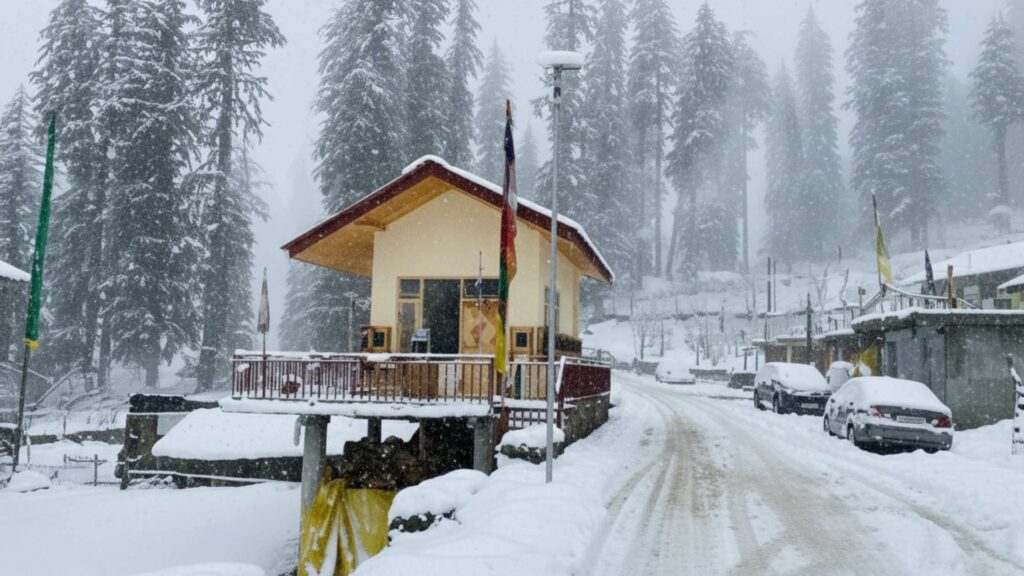
Yes, if you’re flexible, tolerant, and ready for real winter.
Sethan in January offers thick snow blankets, near-empty trails, and the rare chance to sleep inside an igloo under a frozen sky. However, it’s not suitable for rigid planners with tight schedules or families with very young children/ elderly people.
But know that snow isn’t guaranteed every single day, roads can turn tricky after fresh snowfall, and most igloo camps don’t open until mid-January (sometimes later if construction gets delayed by weather).
इसके लिए सर्वोत्तम: Couples seeking offbeat winter romance, solo travellers chasing snow solitude, and small friend groups comfortable with cold and flexibility.
Not ideal for: Elderly travellers, anyone with respiratory issues, or visitors expecting resort-level predictability.
What Sethan Feels Like in January
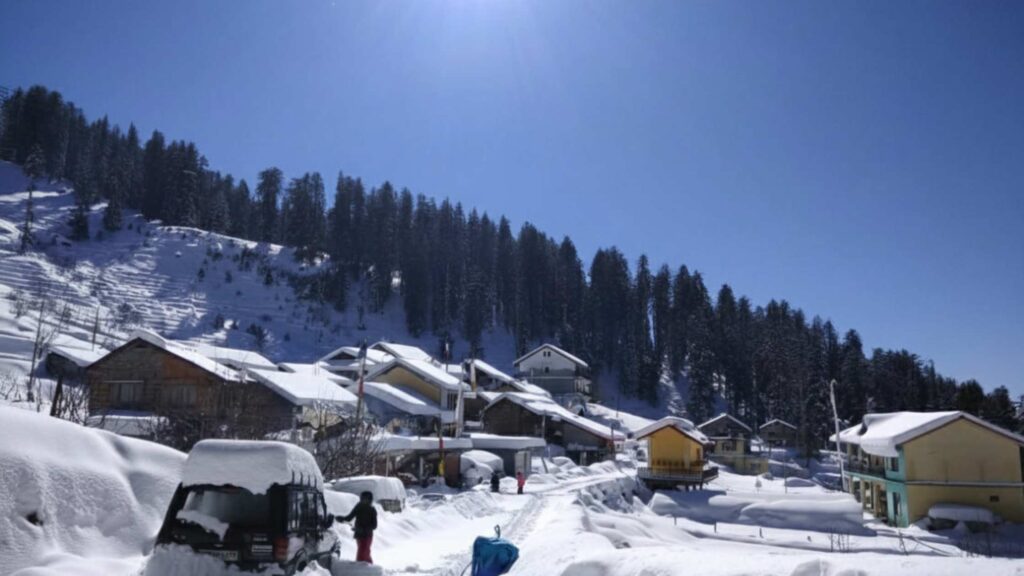
Most people imagine Sethan as a snow-globe village where everything stays picture-perfect all month.
Here’s a bit of harsh truth for you: Sethan in January is stunningly beautiful and unpredictably harsh at the same time.
The snowy landscape changes almost week to week. Early January might have patchy snow or none at all if December was dry.
By mid-month, after a good spell, the valley turns into a winter dreamscape—apple orchards buried under white, rooftops stacked with snow, and that specific crunch underfoot that only happens in sub-zero temperatures.
Crowd Levels
Crowd levels in Sethan in January are very sporadic. You’ll have Sethan almost to yourself if you plan your travels during weekdays in January.
Sometimes you shall meet an occasional local, a homestay owner, or maybe another travel group.
On weekends—especially if there’s been fresh snowfall and word spreads on Instagram—expect 15–20 vehicles parked near the village square.
Despite so many vehicles, you shall find that Sethan is still quieter than Solang by miles.
Day vs Night Reality
Daytime in Sethan (11 AM–3 PM) can feel surprisingly pleasant when the sun’s out. You’ll see people walking around in fewer layers, taking photos, and playing in the snow.
Then, after 4 PM, the temperature drops fast. Chill kicks in the wind. That same snow that looked soft earlier now feels sharp against your face.
And by 6 PM, you’ll want to be indoors near a heater or bonfire, trust me.
If you’re planning an igloo stay, understand this: the night will test your cold tolerance. Yes, it sounds very romantic, but how comfortable it is going to be for you will depend entirely on your body’s relationship with freezing temperatures.
Sethan Snowfall in January:
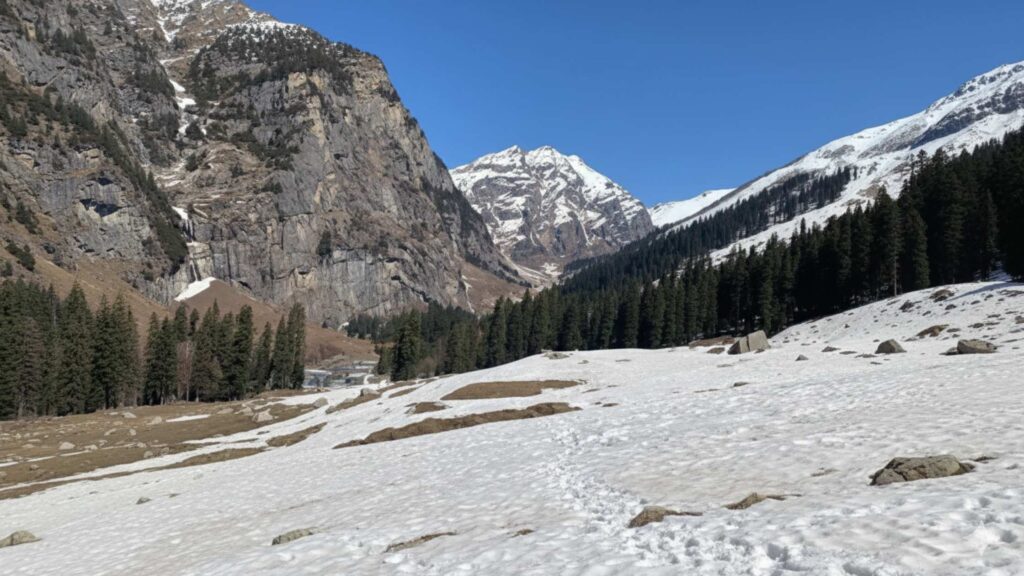
Let’s get the most-asked question out of the way: Does Sethan have guaranteed snow in January?
No. No place in the lesser Himalayas can guarantee you that.
In fact, I feel you should not plan your trip to the Himalayas with the mindset that “ I WILL do this” or “ I WILL do that” cause the weather or the landscape in the mountains can change in a matter of a few minutes.
But here’s what है likely based on six winters of ground-level observation:
- Early January (1st–10th): Snow cover depends entirely on how cold December was. Some years, you’ll find 2–3 feet of snow already sitting. In other years, the ground might be visible with only patches near treelines.
- Mid-January (11th–20th): Statistically, this is when Sethan receives its heaviest snowfall. Most igloo camps open during this period if there’s been enough accumulation for construction.
- Late January (21st onwards): Snow is almost always present by now, but fresh snowfall frequency can taper. You’ll still have a white landscape, but it just might not be actively snowing every day.
Best Weeks to Aim For
If I had to recommend one window where snow, accessibility and igloo availability align best, it’s mid January (around 12th–25th).
But keep your dates flexible. Weather doesn’t follow calendars.
How to Check Snow Status Before You Go
Don’t rely on generic weather apps. Here’s the checklist you should follow for real-time weather updates:
- Call your homestay/camp operator directly—they know real-time ground conditions
- Check Manali-based taxi driver groups (many post road videos daily)
- Look for traveller updates on Instagram location tags (search #SethanValley and add current week)
- If multiple sources say “heavy snowfall expected,” add a buffer day to your plan
Igloo Stay in Sethan in January:
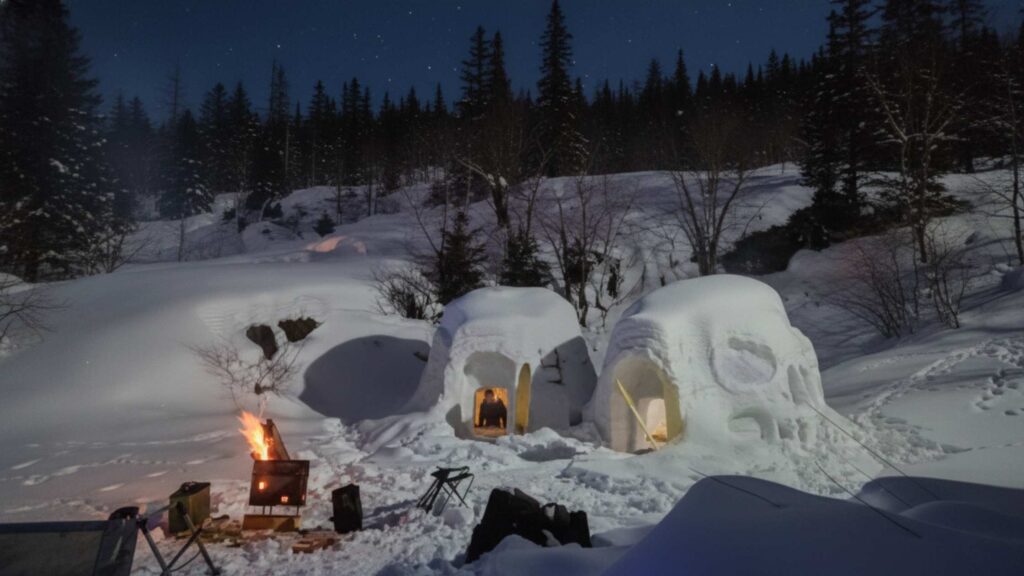
This is probably why you’re here. I know right. Most people are!
Sleeping inside an igloo in the Himalayas is in the bucket-list of most Himalyan wanderers. And it can be totally worth it! Ofcourse when done with the right expectations.
When Do Igloos Actually Become Operational?
Most camps start building igloos only after mid-January, sometimes closer to the 15th or 18th. Why? Because you need a solid base of compacted snow—at least 3–4 feet—to construct stable igloo walls.
If December and early January are dry, igloo construction gets delayed. Sometimes camps didn’t open until January 22nd.
So if you’re booking for January 5th and expecting an igloo, you’re likely too early. So its very important to align your expectations with the location’s limitations.
What’s Typically Included
Most igloo experiences in Sethan include:
- Overnight stay inside the igloo (obviously)
- Sleeping bags rated for sub-zero temps
- Dinner & breakfast (usually Himachali or North Indian comfort food)
- Bonfire sessions in the evening
- Sometimes: evening tea/snacks, basic toilets nearby, charging points in a common heated tent
Not included (usually): Alcohol, private heaters inside igloos (that is practically impossible—they’d melt the structure), hot water for bathing.
Who Should Book Igloo Stay? Who Shouldn’t?
Book if you:
- Can handle cold (like, actually handle it coz it gets really bad)
- Want a unique, one-time experience over comfort
- Are travelling as a couple or with close friends who are equally adventurous
- Don’t have respiratory issues, asthma, or circulation problems
Skip if you:
- Are travelling with kids under 8 years old
- Have elderly family members
- Expect hotel-level warmth and facilities
- Get anxious in confined, cold spaces
Igloo stays aren’t unsafe but they’re just not for everyone. And that’s okay.
Booking Tips
- Weekday advantage: Book on weekdays, preferably Monday–Thursday if possible. Weekends get crowded, and rates sometimes spike.
- Check road access: Before paying, confirm with the operator that the approach road to the camp is currently open. After heavy snowfall, some camps become temporarily inaccessible.
- Heating backup nearby: Ask if there’s a heated common tent or cottage where you can warm up. Most good operators have this.
- Cancellation policy: Given January’s unpredictability, only book camps that allow flexible rescheduling.
How to Reach Sethan in January
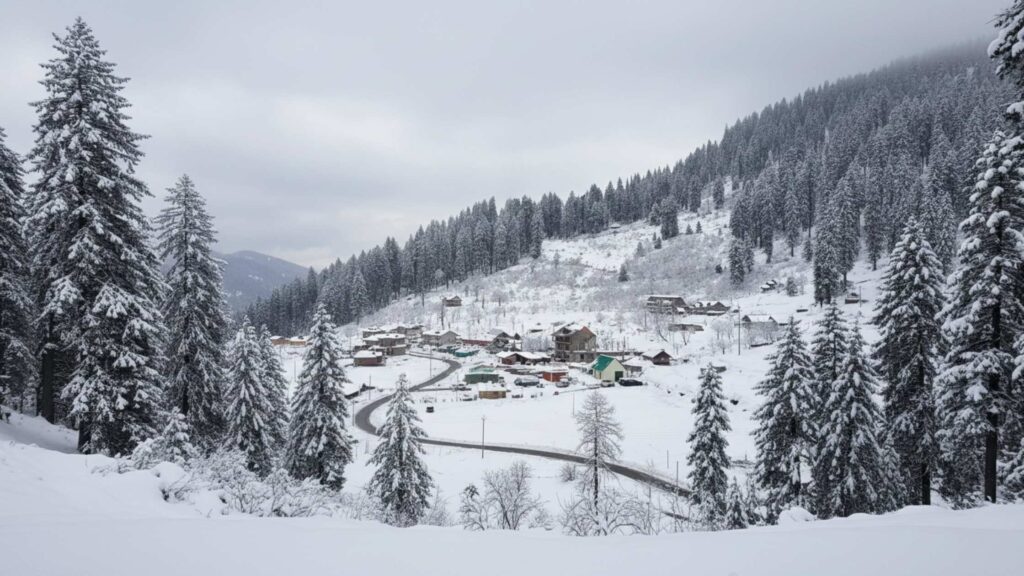
Sethan sits about 15 kilometers from Manali town, but in January, that 15 km can feel a lot longer depending on conditions.
The Route
You’ll take the Manali → Prini → Aleo → Sethan road.
It’s a mix of paved sections and rough, narrow stretches. The last 4–5 kilometers—especially the climb after Aleo—can get tricky in winter.
Taxi vs Self-Drive: What’s Safer?
Unless you’re very experienced at driving in snow and have a proper 4×4, take a local taxi.
Here’s why: local drivers know exactly which turns get icy first, where snowdrifts pile up, and how to handle sudden weather changes. They’ve done this route a hundred times in every possible condition.
Self-drive in a regular sedan? Don’t. I’ve seen cars get stuck near the Aleo turn and block the road for hours.
Is 4×4 Required?
I would not say that it is a necessity, but it definitely makes life easier in the Himalayas.
If there’s been no fresh snowfall for 3–4 days and the road has been cleared, a regular taxi might manage.
But if:
- Fresh snow fell in the last 24–48 hours
- Temperatures dropped suddenly (black ice forms overnight)
- You’re travelling early morning or late evening
Then yes, 4×4 is mandatory. No compromises.
Most Manali taxi operators will tell you honestly whether a 4×4 is needed on the day you’re travelling. Listen to them as they care for your safety.
Start Early Rule
Leave Manali by 9:30–10 AM if you’re going to Sethan for a day trip or checking in.
Why? Because by 3:30–4 PM, temperatures drop, visibility can reduce if clouds roll in, and icy patches that melted during the day refreeze.
Never attempt the return journey after 5 PM in January. That’s when accidents happen.
January Road Conditions & Safety Guide
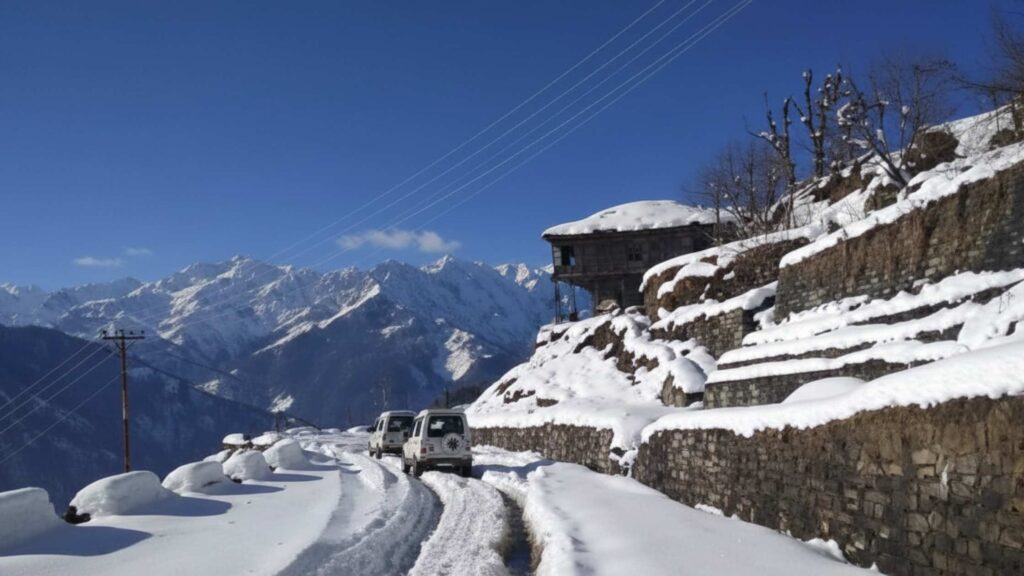
Let’s talk about the stuff that makes your trip safe instead of stressful.
Common Winter Issues on the Sethan Road
- Black ice: Forms overnight on shaded turns. Invisible. Deadly slippery.
- Narrow turns with snow walls: After heavy snowfall, snow gets piled on the sides, making the road even narrower.
- Visibility drops: Fog or sudden snow squalls can reduce visibility to under 10 meters.
- No guardrails in some sections: One side is a drop. Drive (or let your driver) stay cautious.
Do / Don’t Box
DO:
- Wear proper trekking shoes with grip (not regular sneakers)
- Carry two pairs of gloves (one will get wet)
- Keep a buffer day in case roads close temporarily
- Check the road status on the morning of your travel
DON’T:
- Attempt late-night driving
- Ignore your driver’s advice about turning back
- Wear cotton layers (they trap moisture and make you colder)
- Rush—seriously, slow travel is the only way here
Sethan Temperature in January & What to Pack
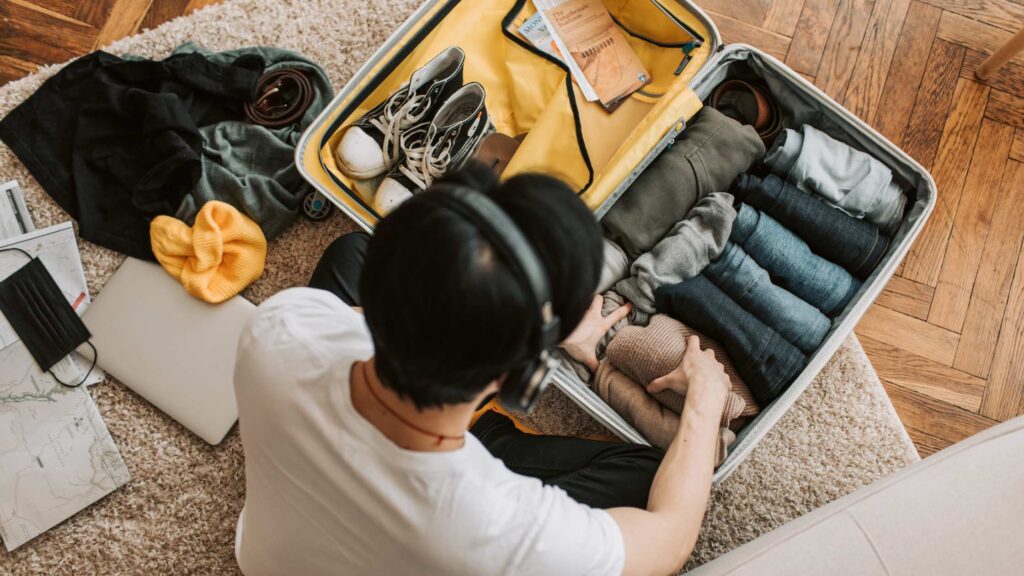
Here’s the honest temperature breakdown:
- Daytime (11 AM–3 PM): 0°C to 5°C (can feel warmer in direct sunlight)
- Morning/Evening: -5°C to -2°C
- Night (especially during igloo stays): -10°C to -15°C, sometimes lower
If you’re doing an igloo stay, expect the coldest night of your life. But also one of the most memorable.
The Layering System for Exceptional Warmth
Base layer: Thermal innerwear (top + bottom). Wool or acrylic or any other synthetic—never cotton.
Mid layer: Fleece jacket or down jacket.
Outer layer: Waterproof, windproof jacket. This is your shield.
Don’t Forget:
- Trekking boots with ankle support and grip
- Woolen socks (carry 3 pairs as some will liekly get damp)
- Insulated gloves (touchscreen-compatible ones are a bonus)
- Balaclava or neck warmer (wind chill is real)
- Sunglasses (snow glare is intense)
- Hand warmers (absolute lifesaver during igloo nights)
- Power bank (fully charged—your phone will drain faster in cold)
Phone and Camera Battery Tips
Keep your devices inside your jacket, close to your body. The moment you expose them to sub-zero air, battery percentage drops like a stone.
Shoot your photos, then tuck the phone back in immediately.
Best Things to Do in Sethan in January
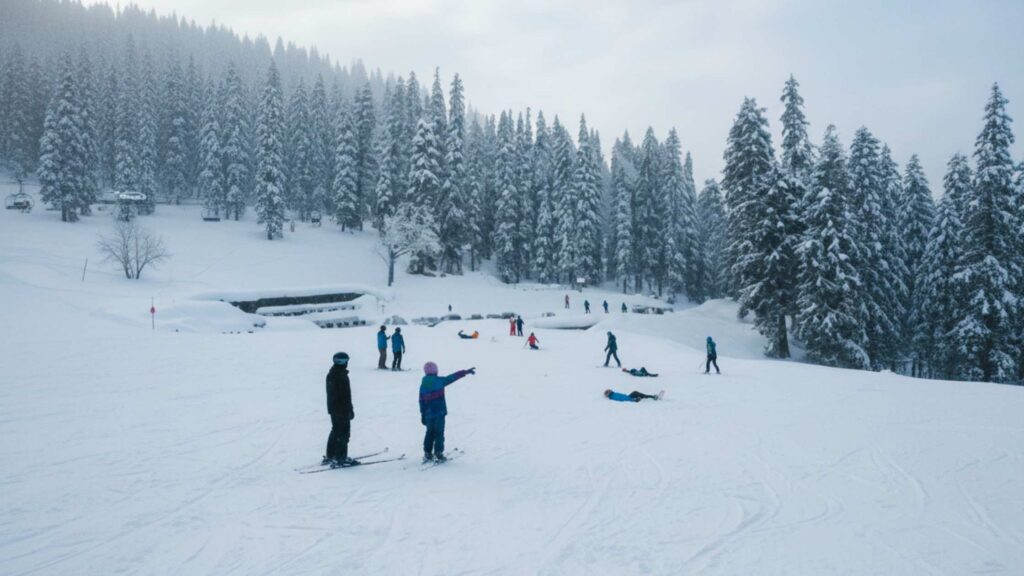
Sethan in winter isn’t about ticking off 10 activities in a day. It’s about slowing way down and soaking in the kind of quiet you don’t get in cities.
Snow Walks & Viewpoints
The area around Sethan village has gentle trails perfect for snow walks. You don’t need a guide—just follow the walked paths.
Walk toward the apple orchards on the northern side early morning. When sunlight hits fresh snow at a low angle, the whole landscape glows pale gold.
There’s a ridge viewpoint about 20 minutes uphill from the main village square. From there, you can see the Pir Panjal range on one side and the Beas Valley on the other. Go around 11 AM when visibility is clearest.
Skiing & Snowboarding (Beginner-Friendly)
If there’s good snow cover, a few local operators set up beginner skiing and snowboarding zones—usually on gentle slopes near the campsites.
Who it’s for: First-timers. This isn’t advanced terrain. Think of it as your introduction to snow sports, not a pro setup.
What’s included: Basic gear (skis/snowboard, boots, poles) and a quick instructor-led session (30–60 minutes).
What costs extra: Longer sessions, private lessons, gear upgrades.
Best time of day: Late morning (10:30 AM–12:30 PM) when the snow is firm but not icy, and sunlight makes everything visible.
Bouldering:
Not to be outdone by winter, summer offers an equally amazing array of boulder climbing options.
If you’ve ever wanted to experience what it feels like to climb Yosemite-sized granite or gneiss boulders, now’s your chance!
Plus, there are multiple grades of bouldering depending on your experience level, strength, and how fit you are!
With many places all over Sethan where you can put your strength, endurance and determination to the test!
Stargazing:
My all-time favorite activity throughout the entire year! Just sitting outside under the stars while looking up is beyond cool!
I love how stargazing tells us so many different stories and calms the mind, taking away our worries from everyday life. It has such a calming effect on me that it is almost like an addiction!
Hiking/Trekking:
The most breathtaking mountains surround Sethan. This makes it a fantastic base for exploring the beautiful valleys and forests of the region.
You cannot go wrong with exploring the valleys by taking a hike or trek!
Many of the hikes available in this area will take you on different routes, and there are also longer treks available, such as the Hamta Trek.
Optional Add-On: Nearby Manali Winter Experiences
If the Sethan road closes due to heavy snowfall (it happens), don’t panic. Manali itself has solid winter backup options:
- Solang for safer snow activities
- Vashisht for hot springs
- Old Manali for cozy cafes and wandering
Keep a flexible mindset.
Skiing / Snowboarding in January (Beginner Planning Block)
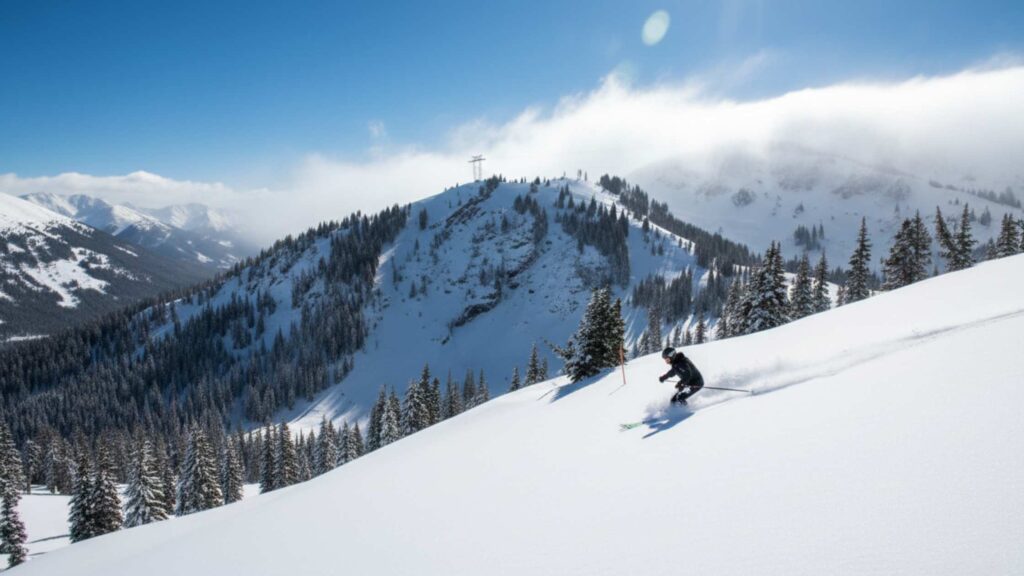
Let’s break this down for people who’ve never strapped on skis before.
Who Is This For?
If you’ve been curious about skiing but never tried it, Sethan in January is an easy way to start. No fancy resorts, no expensive lift tickets—just open slopes, local instructors, and snow.
How Sessions Work
Most operators offer 1-hour beginner sessions. You’ll learn:
- How to stand on skis/snowboard without falling (harder than it looks)
- Basic balance and posture
- How to slow down and stop (very important!)
- How to make gentle turns
Don’t expect to become an expert in one session. Expect to fall. A lot. And laugh even more.
Usually included:
- Equipment rental (skis/board, boots, helmet if available)
- Instructor guidance (basic session)
Extra cost:
- Extended sessions (2+ hours)
- Private lessons
- Photography/videography of your session
- Any gear damage (some operators charge for this)
Best Time of Day for Snow Quality
Late morning—around 10:30 AM to 12:30 PM—is ideal. The snow has warmed up slightly (easier on beginners), visibility is good, and you’re not fighting harsh wind chill.
Avoid late afternoon. Snow starts refreezing, and you’ll be too cold to focus on learning.
Where to Stay in Sethan in January
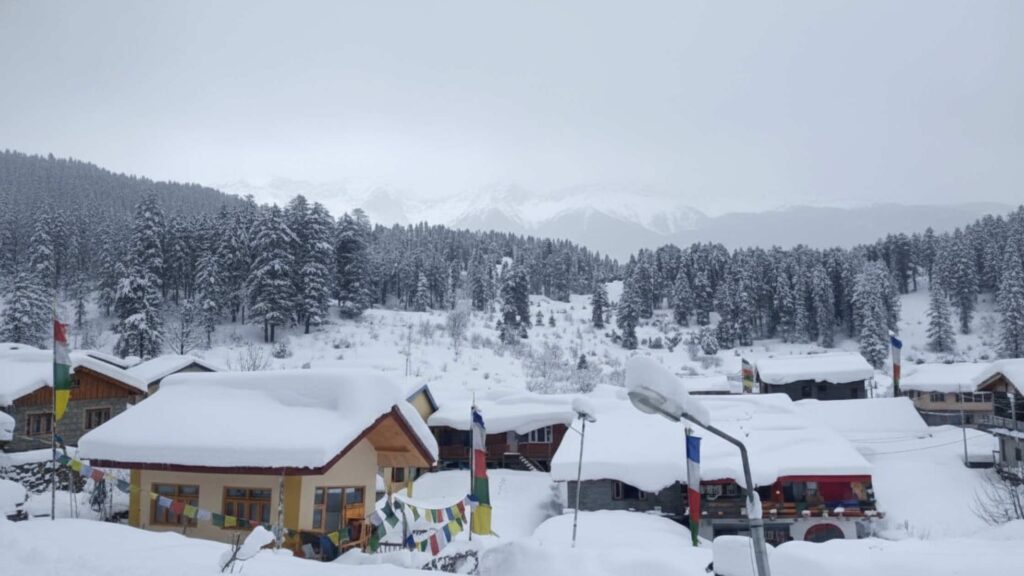
Your stay choice depends entirely on what you value more: experience or comfort.
Option 1: Warm Homestays / Cottages
These are your best bet if warmth and basic comfort matter to you.
What you’ll typically get:
- Rooms with electric heaters or bukhari (wood stove)
- Hot water (sometimes limited to certain hours)
- Home-cooked meals
- Actual beds with thick blankets
इसके लिए सर्वोत्तम: Couples who want the Sethan snow experience but also want to sleep warm. Families. Anyone over 50.
Option 2: Igloo Experience Nights
This is for the story, the Instagram post, the “I actually did it” moment.
What you’ll get:
- A night inside a snow structure (wild, memorable, cold)
- Sub-zero sleeping conditions despite the sleeping bag
- A bonfire, the stars, the whole atmospheric package
इसके लिए सर्वोत्तम: Adventurous couples, solo travellers, small friend groups who can laugh about being cold together.
What to Ask Before Booking?
Ask these exact questions:
- What type of heater do you have? (Electric heaters are okay; blowers are loud and dry out the air; bukharis are cozy but need constant wood feeding)
- Is hot water available? When? (Some places only heat water twice a day)
- Do you have a power backup? (Power cuts happen in snowstorms)
- How’s the approach road to your property? (Some homestays are a 10-minute uphill walk from where vehicles can park—manageable in summer, brutal with luggage in snow)
- Can we switch to a heated room if the igloo gets too uncomfortable? (Good operators will say yes)
Stay Selection Checklist
For couples:
- Prioritize stays with couple-friendly vibes (private cottages, good food, bonfire setups)
- Check if they have scenic sit-out areas
- Ask about privacy (some homestays are very family-oriented with shared spaces)
For families:
- Skip igloo stays unless your kids are teens and genuinely excited
- Choose homestays with attached bathrooms
- Confirm meal timings and menu flexibility
January Budget Breakdown

Let’s talk money. These are realistic ranges based on what we see travelers actually spending, not fantasy numbers.
Transport: Manali to Sethan
Shared taxi: ₹300–₹500 per person (one way), but you’ll need to find others heading the same day
Private taxi (non-4×4): ₹1,800–₹2,500 for the round trip
Private 4×4 (when needed): ₹3,000–₹4,000 for the round trip
Add ₹500–₹800 extra if you’re making multiple stops or extending the trip.
Stays
Budget homestay: ₹1,200–₹2,000 per night (basic room, shared bathroom sometimes, meals extra or minimal)
Standard homestay/cottage: ₹2,500–₹4,000 per night (private room, heater, attached bathroom, meals often included)
Premium cottages: ₹5,000–₹8,000 per night (mountain-facing rooms, better food, aesthetic setups)
Igloo stay package: ₹3,000–₹5,000 per person (includes dinner, breakfast, bonfire, sleeping bags—basically the full experience)
Add-Ons
Igloo experience (if staying elsewhere): ₹1,500–₹2,500 per person for just the night
Skiing session (1 hour): ₹800–₹1,500 (equipment + instructor)
Snowboarding session: ₹1,000–₹1,800
Bonfire + snacks (if not included): ₹300–₹500 per person
Food (if not included in stay)
Expect ₹400–₹700 per person per day for basic meals. Sethan doesn’t have restaurants—you’re eating at your homestay or camp.
Total Realistic Budget for a Couple (2D/1N Trip)
₹12,000–₹18,000 (including transport, stay, meals, one activity, and buffer for surprises)
For a 3D/2N trip, add another ₹6,000–₹8,000.
Sample Itineraries
Pick the itinerary that matches your time and comfort level.
Itinerary A: Day Trip from Manali (Snow + Sunset + Return)
इसके लिए सर्वोत्तम: People short on time but craving a snow fix. Also great if you’re unsure about overnight cold.
समय:
- 9:30 AM: Leave Manali in a private taxi (4×4 if it snowed recently)
- 10:30 AM: Reach Sethan village, start exploring
- 11 AM–1 PM: Snow walks, photography, maybe try a quick skiing session if available
- 1:30 PM: Lunch at a local homestay (pre-book if possible)
- 2:30 PM–4 PM: More exploration, visit the ridge viewpoint, relax by a bonfire if the camp allows day visitors
- 4:30 PM: Start return journey (don’t delay this—remember the 5 PM rule)
- 5:45 PM: Back in Manali
If road closes / heavy snowfall: Switch to Solang for snow activities or spend the day in Old Manali’s cozy cafes.
Itinerary B: 2D/1N Sethan January Snow Trip (Best for Most Couples)
इसके लिए सर्वोत्तम: Couples who want to enjoy the full Sethan landscape without overcommitting. This is our most popular format.
दिन 1:
- 10 AM: Leave Manali
- 11 AM: Arrive at Sethan, check into your homestay or igloo camp
- 12 PM: Lunch + warm up
- 1:30 PM–4 PM: Snow exploration—walk through the village, head to apple orchards, try skiing if you’re interested
- 4:30 PM: Return to stay, rest, charge devices
- 6 PM: Evening bonfire session with tea/snacks
- 8 PM: Dinner (hearty Himachali meal—expect rajma, rice, sabzi, roti)
- 9:30 PM: If you’re in an igloo, bundle up and prepare for the coldest night ever. If in a cottage, enjoy the heater and mountain silence.
दिन 2:
- 7:30 AM: Wake up to frozen everything (your water bottle, your breath, your nose)
- 8 AM: Breakfast
- 9 AM–11 AM: Morning walk, soak in the snow one last time, take all those photos you forgot yesterday
- 12 PM: Start return journey to Manali
- 1 PM: Back in Manali, grab lunch, head to your onward destination
If the road closes / heavy snowfall: Most homestays will let you extend your stay (sometimes at a discount). Use the extra time to relax, read, stare at snow—this is forced slow travel, and honestly, it’s lovely.
Itinerary C: 3D/2N (Sethan + Manali Winter Buffers + Relaxed Pace)
इसके लिए सर्वोत्तम: People who don’t want to rush anything. Ideal for couples celebrating something or solo travellers on a digital detox.
दिन 1:
- 10 AM: Leave Manali
- 11 AM: Arrive at Sethan, settle in
- 12 PM–5 PM: Slow exploration, lunch, optional skiing, relax
- शाम: Bonfire, stargazing, early dinner, sleep
दिन 2:
- सुबह: Wake late, leisurely breakfast
- 10 AM–2 PM: Ridge walk, photography, interact with locals, try snowboarding
- दोपहर: Long lunch, journal, nap (yes, napping in the Himalayas is underrated)
- शाम: Repeat bonfire magic, maybe switch to igloo for the second night if you started in a cottage (or vice versa)
दिन 3:
- सुबह: Sunrise walk (if you can drag yourself out of the sleeping bag)
- 9 AM: Breakfast
- 10:30 AM: Leisurely pack up
- 12 PM: Return to Manali
- Afternoon in Manali: Visit Vashisht hot springs, explore Old Manali cafes, buy woolens
If road closes / heavy snowfall: You’ve got buffer time built in. Use it to experience snowed-in village life, help locals clear paths, read by the bukhari. Some of the best travel memories happen during plan failures.
पूछे जाने वाले प्रश्न
Is Sethan worth visiting in January?
Absolutely, if you’re prepared for real winter and okay with flexibility. Sethan in January offers deep snow experiences, empty trails, and authentic Himalayan winter quiet that you won’t find in Solang or Manali town.
Does Sethan have snowfall in January?
You’ll almost always find snow cover on the ground by mid January, but active snowfall isn’t guaranteed daily.
Check real-time updates from local operators before traveling.
When do igloo stays start in Sethan?
Most igloo camps begin operations between January 12th–18th, once there’s sufficient compacted snow (3–4 feet minimum) to build stable structures.
Is igloo stay in Sethan safe for couples?
Yes, it’s safe—but “safe” doesn’t mean “comfortable for everyone.” It’s not recommended if either partner has respiratory issues, circulation problems, or gets anxious in confined, cold spaces.
How cold is Sethan in January?
Daytime temperatures range from 0°C to 5°C (feels warmer in direct sunlight), but nights drop to -10°C to -15°C.
How to reach Sethan from Manali in January?
Take the Manali → Prini → Aleo → Sethan route, about 15 km. In January, it’s safest to hire a local taxi (preferably 4×4 if there’s been recent snowfall). Self-driving isn’t recommended unless you’re experienced.
Is Sethan road open in January?
The road can close temporarily after heavy overnight snowfall until it’s cleared. Always check with your driver or homestay operator on the morning of travel for real-time road status.
Do we need a 4×4 to reach Sethan in January?
If there’s fresh snow (last 24–48 hours), early morning black ice, or you’re traveling at dawn/dusk, 4×4 becomes mandatory.
Listen to your driver—they know conditions better than any app.
Can Sethan be done as a day trip from Manali in January?
Yes, and it’s actually a smart option if you’re unsure about overnight cold. Leave Manali by 9:30 AM, spend 5–6 hours in Sethan (snow walks, lunch, skiing), and return by 4:30 PM.
What are the best things to do in Sethan in January?
Snow walks, hikes, beginner skiing and snowboarding sessions,bouldering and Igloo stays are some of the most sought-after things.
Is skiing available in Sethan in January?
Yes, if there’s good snow cover, usually by mid-January. Local operators set up beginner-friendly slopes near campsites.
What should we pack for Sethan in January?
Thermal innerwear, fleece/down jacket, waterproof/windproof jacket. Don’t forget trekking boots with grip, three pairs of woolen socks, insulated gloves, a balaclava, sunglasses, hand warmers, and a fully charged power bank.
Which is better in January: Sethan or Solang ?
Sethan provides an offbeat, quiet, raw winter experience, fewer people, an authentic village vibe, but less infrastructure and comfort.
सोलंग is more commercialized and provides easier access, more activities, better facilities, but gets very crowded (especially on weekends).
Are there heaters / hot water in Sethan stays in peak winter?
Most homestays and cottages have electric heaters or bukharis (wood stoves). Sometimes, hot water is limited to certain hours—ask before booking.
Power cuts can happen during snowstorms, so check if your stay has backup.
What’s the ideal 2D/1N itinerary for Sethan in January?
दिन 1: Leave Manali by 10 AM, reach Sethan by 11 AM, check in, lunch, explore snow trails and village (1:30–4 PM), return to stay, evening bonfire and dinner, overnight (igloo or cottage).
दिन 2: Breakfast at 8 AM, morning snow walk and photos (9–11 AM), depart Sethan by 12 PM, back in Manali by 1 PM. Keep a buffer day in case roads close.
Let’s Plan Your Sethan January Trip the Right Way
Planning Sethan in January isn’t just about booking a homestay and hoping for snow.
It’s about timing, road conditions, realistic expectations, and backups when weather flips overnight.
Want a locally-verified plan + driver + stay options curated for January conditions?
Drop us your travel dates, group size, and whether you’re leaning toward igloo adventure or warm cottage comfort.
We’ll build you a realistic, flexible itinerary—no overpromising, no generic packages.
Because the best trips aren’t the ones that go perfectly to plan. They’re the ones where you’re ready for anything and still have an incredible time.
यह भी पढ़ें: कसोल से चलाल तक की ट्रेक: मार्ग, समय, क्या उम्मीद करें + सर्वश्रेष्ठ कैफे (2026)