
Baralacha Pass in August is one of those trips that sounds straightforward until you are actually planning it. The pass sits at 16,040 ft (4,890 m) on the Manali-Leh Highway, connecting the Lahaul side of Himachal with Ladakh. August is technically peak season, but “open” does not mean “easy.” Rain, landslides and altitude can all mess with your plans if you go in unprepared.
We have been sending travellers through Baralacha for years, and the questions in August are always the same. Will there be snow? Is the road safe? Can my car handle it? This guide answers all of that with real, verified information and none of the vague “best time to visit” fluff.
Quick Answer: Is Baralacha Pass Good in August?
August is usually one of the more accessible months for Baralacha Pass because the Manali-Leh highway is generally open by then. Snow is not guaranteed in August, but old patches may remain in shaded sections in some years.
The real August risk is not snow. It is rain, landslides and temporary road closures on the lower Himachal approach, especially between Manali and Keylong. Always check the road status before leaving, not the day before your trip, but the morning of your departure.
If the road is clear, August gives you the best combination of open highway and decent weather at the top. But you need a plan, not just a GPS pin.
Talk to our Himachal team on WhatsApp
Is Baralacha Pass Open in August 2026?
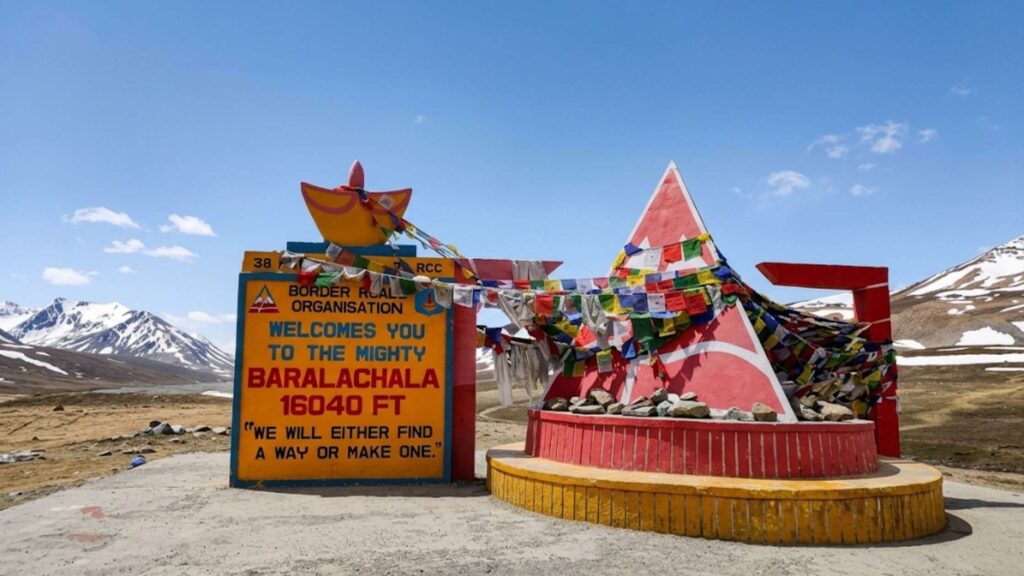
Baralacha Pass is seasonal. It opens only after BRO (Border Roads Organisation) clears the snow on the Manali-Leh highway, and it closes again when winter buries the road under several feet of snow.
In 2026, BRO reopened the Manali-Leh highway in May after about five months of winter closure. The Darcha-Sarchu stretch through Baralacha had reopened for light motor vehicles by mid-May 2026.
The Lahaul-Spiti district road status page currently lists the Keylong to Leh route as open]. This means that as of the latest check, vehicles are passing through Baralacha.
But here is the thing most people get wrong: “open” on a government road status page means the road is passable. It does not mean the road is smooth, fast, or without surprises. A single heavy rain event can trigger a landslide that blocks the route for hours. Always cross-check with local drivers or operators before you commit to a travel day.
What Is the Weather Like at Baralacha Pass in August?
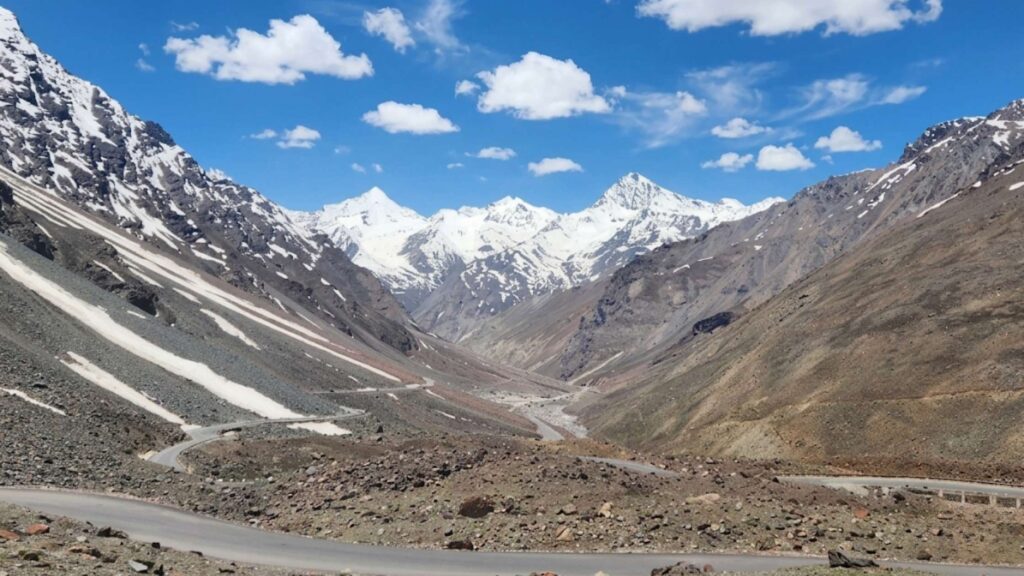
Even in August, Baralacha is cold and windy. At 16,040 ft, the air is thin and temperatures swing hard between day and night.
The broad seasonal range for Baralacha during the open months runs between 3°C to 20°C, though the exact temperature on any given August day depends on weather patterns that week. In our experience, mornings at the pass feel biting cold even when the sun is out, and the wind makes everything feel 5 to 7 degrees colder than the thermometer says.
Sudden weather changes are possible even in the middle of the open season. You can leave Jispa in sunshine and reach Baralacha in fog and drizzle within the same morning. Pack like the weather will turn, because it often does.
What most tourists get wrong about August weather here is assuming it will feel like summer because it is August. It does not. You are standing at the same altitude as Everest Base Camp. Dress for it.
Will There Be Snow at Baralacha Pass in August?
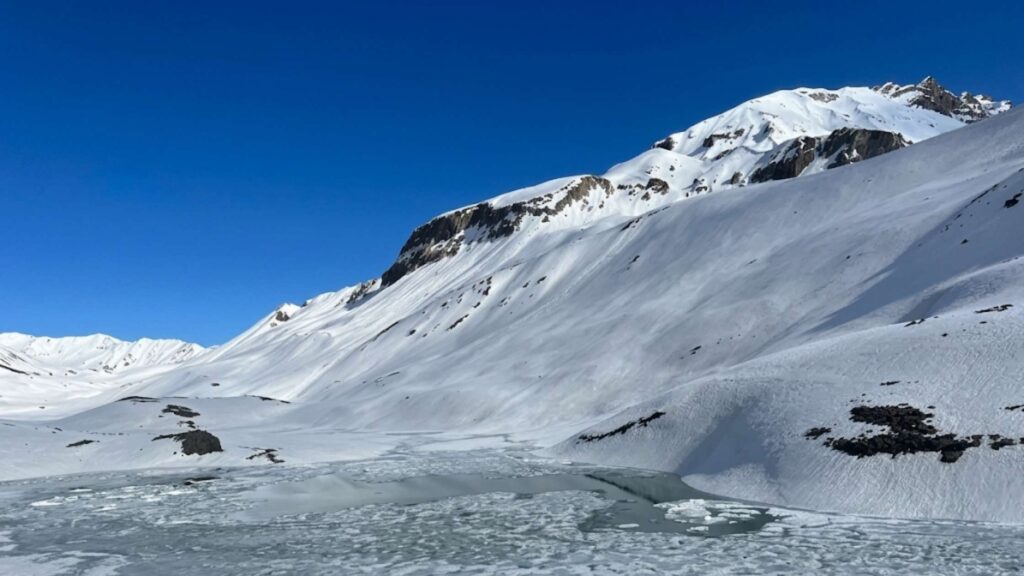
If you are coming to Baralacha specifically for those dramatic snow walls you see in Instagram photos, August is probably not your month.
June and early July are better for snow walls. By August, most of the heavy snow has melted. You may see old snow patches near shaded high sections or on surrounding slopes, but fresh snowfall or proper snow walls are not guaranteed.
Some travel sources mention that Baralacha snow sometimes spills into August, especially in years with heavier winter snowfall. But treat snow as a bonus, not the main reason to go in August.
What you will get in August instead is open landscape, clear-ish skies between rain spells, and the incredible turquoise of Suraj Tal just below the pass. Honestly, the lake alone is worth the drive.
Is August Safe for Baralacha Pass?
Two separate risks exist in August, and you should plan for both.
Altitude risk
Baralacha sits at 16,040 ft. Headache, breathlessness, nausea and full AMS (Acute Mountain Sickness) are all possible, especially if you rush up from Manali without an acclimatization stop. Your body needs time to adjust. One night at Keylong or Jispa before crossing Baralacha makes a real difference.
Monsoon risk on lower routes
The pass itself usually stays dry-ish in August because Lahaul sits in a rain shadow. But the lower Himachal stretch, particularly between Manali and Keylong, can face heavy rain, landslides and road blocks during monsoon. This is the stretch that causes delays, not the pass itself.
Our team recommends leaving early in the morning, never driving after dark on this route, slowing down near rough patches and water crossings, and always keeping a buffer day in your plan. If the road is blocked for half a day, you do not want to be stuck with a return flight from Leh the next morning.
The paid “adventure packages” some agents sell near Manali for Baralacha day trips do not account for any of this. They promise a fast dash to the pass and back. Save your money and plan it properly with an overnight stop instead.
How Are the Road Conditions from Manali to Baralacha in August?
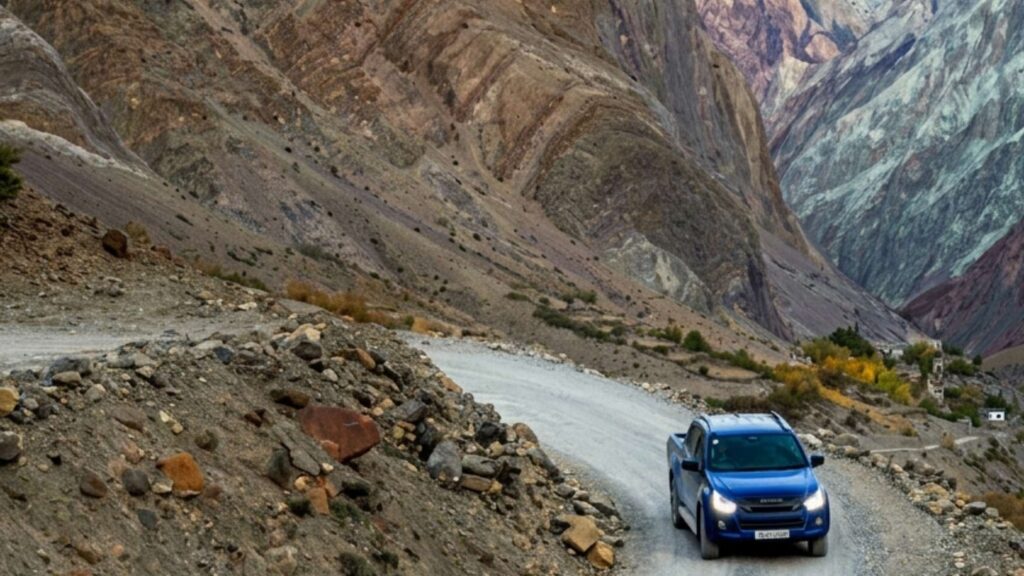
The route from Manali goes through the Atal Tunnel to Sissu, then continues to Tandi, Keylong, Jispa, Darcha, Zingzing Bar, and finally Baralacha Pass.
The road is well-paved until Jispa. After that, you start seeing moderate climbs, rough patches, and sections where water crossings or weather damage have chewed up the surface. The stretch between Darcha and Zingzing Bar is where most vehicles slow down considerably.
In August, rain can make these rough sections worse. Water crossings that were ankle-deep in July can turn knee-deep after a good rain. Loose gravel, slush and soft shoulders are all standard on this route in monsoon season.
If you are starting your trip from Manali, our Manali family tour packages include local drivers who know this road well and check conditions every morning before departure.
Many travellers also combine Baralacha with a stop in the Lahaul Valley. If you want a calmer day before the pass, सिस्सू is a good option with proper stays, waterfalls, and a chance to let your body adjust to altitude. We covered the best things to do in the area in our Sissu tour packages page.
Tandi is commonly treated as the last reliable fuel point before Leh. Fill your tank completely. Do not gamble on finding fuel anywhere between Tandi and Leh.
Road condition in August must always be verified with local authorities or recent local updates. A blog post from last year will not tell you what the road looks like this week.
Can You Visit Baralacha Pass as a Day Trip from Manali in August?
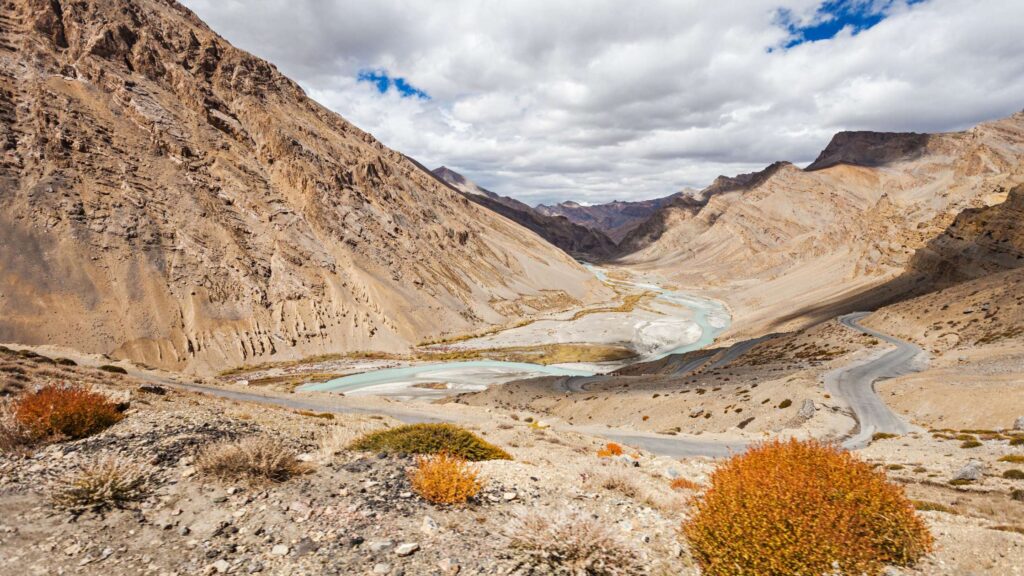
Technically, yes. Practically, we would not recommend it.
The distance from Manali to Baralacha via the Atal Tunnel is around 145 km one way. Some guides list it as around 190 km, which usually refers to the broader route estimate or the old Rohtang-style route. Either way, expect 7 to 9 hours with breaks for a one-way trip.
That means if you leave Manali at 5 AM, you reach Baralacha around noon or 1 PM. Then you have to turn around and drive the same rough road back. You will reach Manali after dark, exhausted, on mountain roads with no streetlights.
What we always tell first-timers: spend a night at Keylong or Jispa instead of rushing. You will sleep better, feel better at altitude, and actually enjoy the drive to Baralacha the next morning instead of counting kilometres.
The momos at the dhaba just past the checkpoint at Tandi are the last proper hot meal before the road gets really remote. Do not skip it. The guy running it has been there for years and knows the road conditions better than any app.
Best August Itinerary for Baralacha Pass
Relaxed 2-Day Plan from Manali
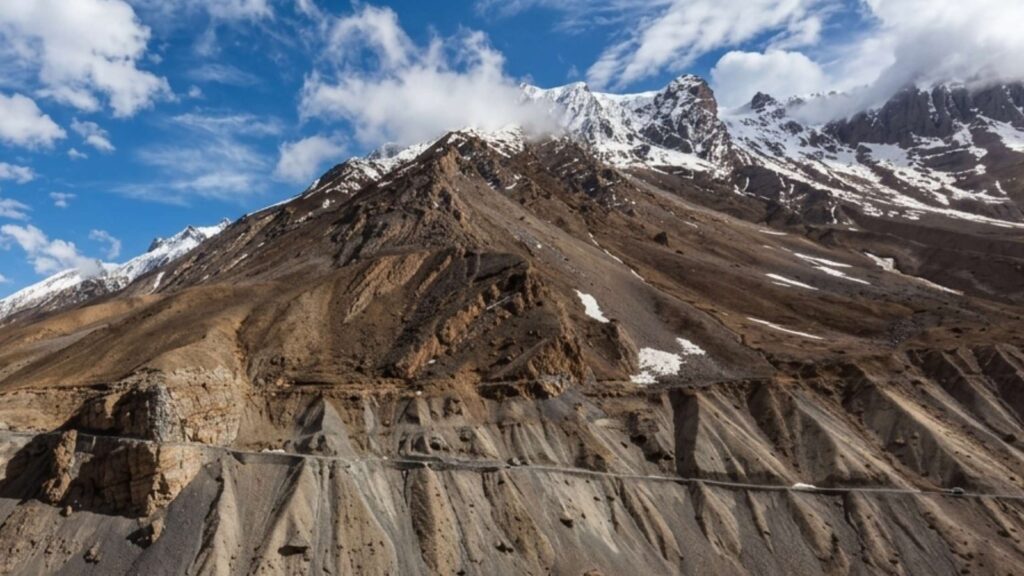
Day 1: Manali to Jispa
Drive through the Atal Tunnel, stop at Sissu for chai and photos, continue past Tandi and Keylong, and reach Jispa by evening. This is about 140 km and takes 4 to 5 hours at a comfortable pace. Jispa is quieter than Keylong, sits right by the river, and gives your body a chance to adjust to around 10,500 ft before pushing higher the next day.
Day 2: Jispa to Baralacha and back
Leave early, drive past Darcha and Zingzing Bar, stop at Deepak Tal (a small lake along the road that most people drive past without realizing it is there). Reach Baralacha Pass and then walk a short distance to see Suraj Tal, the high-altitude lake just below the pass that feeds the Bhaga River. Return to Jispa or Keylong by evening.
This plan gives you real time at the pass without the exhaustion of a single-day dash from Manali.
Manali to Leh Plan via Baralacha
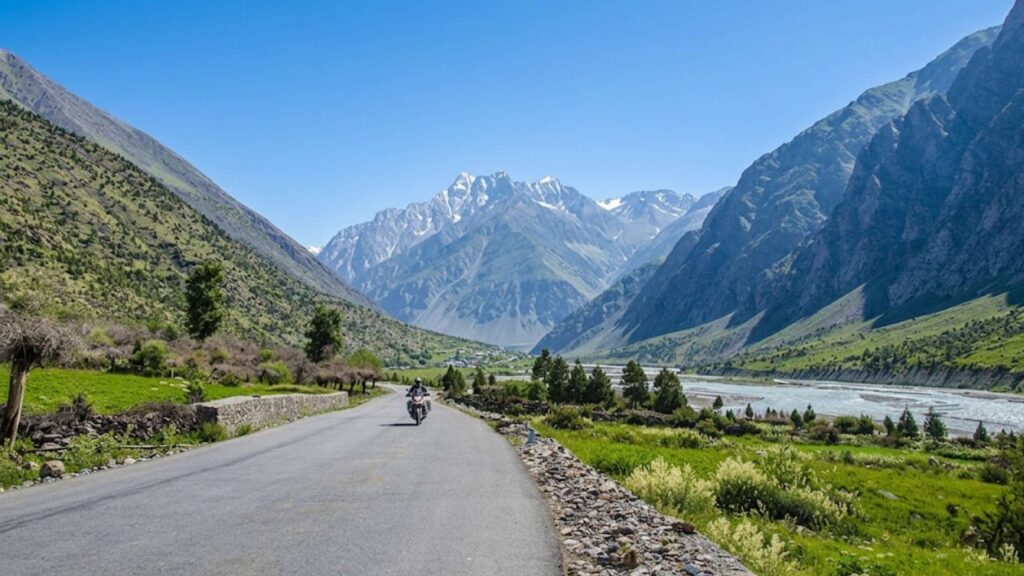
If you are doing the classic Manali-Leh highway drive, Baralacha is not a side trip. It is a section of the route you will cross anyway.
The standard plan is Manali to Jispa on Day 1, then Jispa to Sarchu via Baralacha on Day 2, and Sarchu to Leh on Day 3 (a very long day through Gata Loops, Lachalung La, and Tanglang La).
Sarchu sits at around 14,000 ft and is a common overnight stop, but altitude sickness hits many people hard there. If you have not acclimatized properly, a night at Sarchu can mean a terrible headache and no sleep. Speak to a local planner before choosing it as your night halt. Some travellers do better pushing through to a lower point if their body allows it.
For travellers continuing into Ladakh, our मनाली लेह लद्दाख टूर पैकेज are designed with acclimatization stops built in. We also covered all the key stops along this highway in our 15 must-visit places on the Manali to Leh road trip guide.
Do You Need a Permit for Baralacha Pass in August?
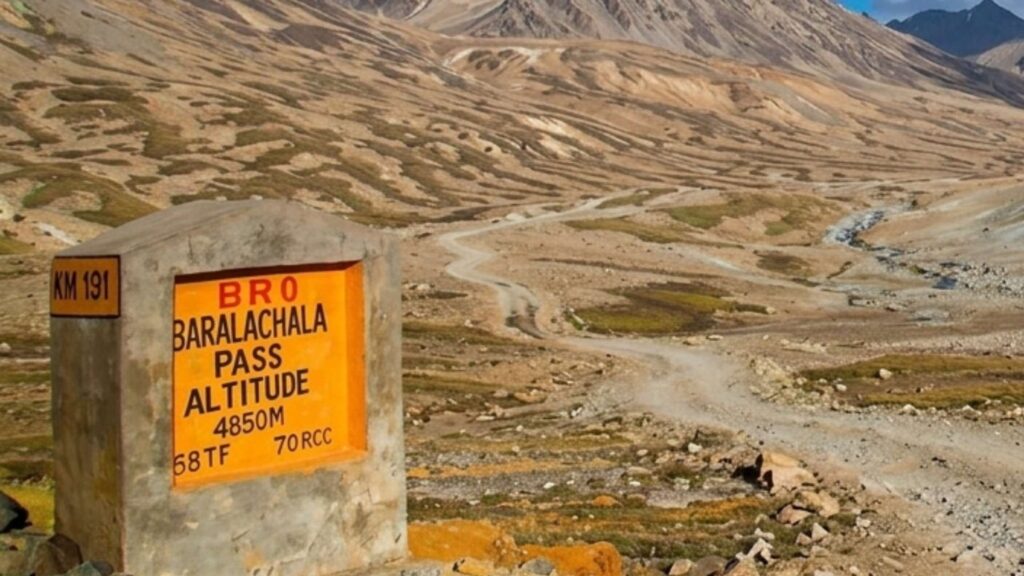
No separate permit is required just to cross Baralacha La on the highway.
But if you are continuing deeper into Ladakh to visit places like Nubra Valley, Pangong Lake, or Hanle, you will need a Ladakh Inner Line Permit. Indian citizens can apply for this online through the Leh district administration portal. It is free and usually gets approved within a day.
Foreign travellers should verify current registration or permit rules before travel, as these can change.
Regardless of permits, carry your original ID (Aadhaar or passport) and all vehicle documents (RC, insurance, driving licence). Checkpoints along the Manali-Leh highway will ask for them, and photocopies are not always accepted.
Which Vehicle Is Best for Baralacha Pass in August?
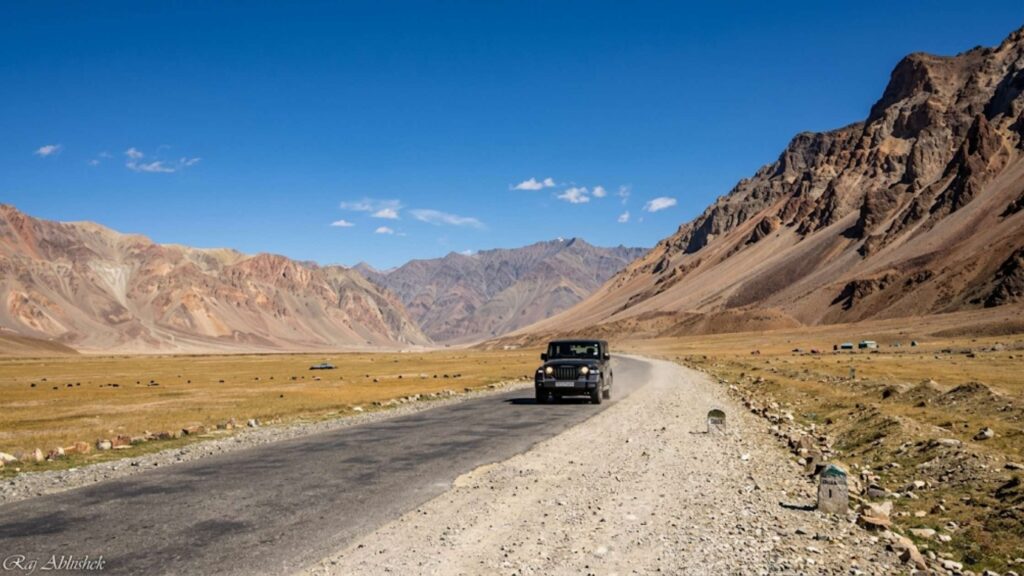
An SUV is the safest and most comfortable choice. The road after Jispa has rough patches, water crossings, and sections where ground clearance matters. A Thar, Bolero, Fortuner, or any capable 4×4 handles this route well.
A sedan with decent ground clearance can cross in peak season if roads are clear. But after heavy rain or fresh road damage, a sedan becomes a liability. If you are driving a sedan, only attempt the crossing when local reports confirm the road is in good shape.
For bikers, Baralacha is one of the signature stretches of the Manali-Leh ride. But August means waterproof riding gear is essential. Carry rain gloves, luggage covers, basic tools, a spare clutch cable, and start early. The wind at the top of Baralacha can push a loaded bike sideways.
From our experience, the single biggest vehicle mistake people make is underestimating what the 60 km stretch after Jispa demands. The first half of the drive from Manali lulls you into thinking the whole road is smooth. It is not.
Where Should You Stay Before or After Baralacha Pass?
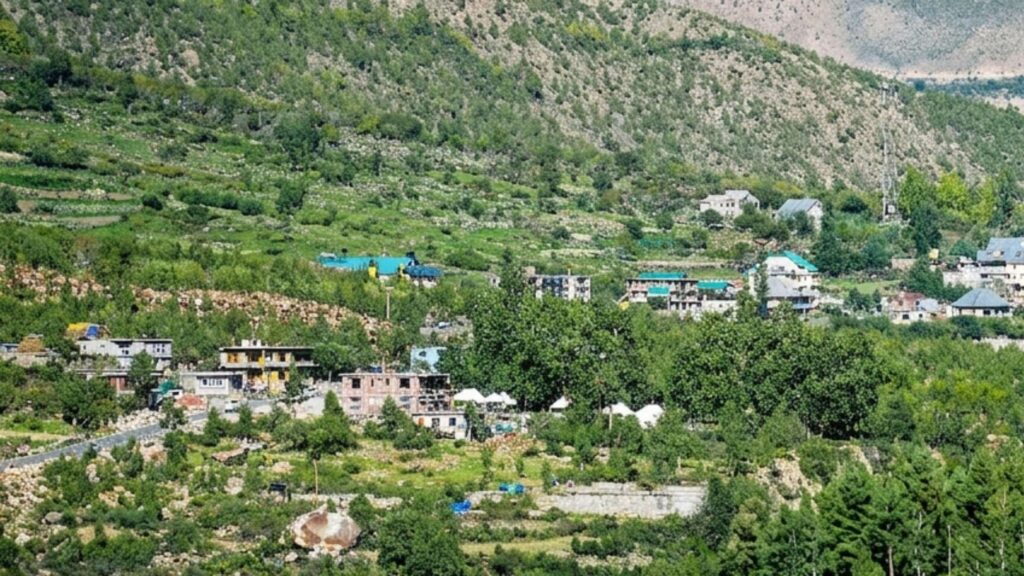
There is no proper stay at the pass itself. No hotel, no guesthouse, nothing permanent.
जिस्पा
It is the best base before crossing. It sits at a manageable altitude, has basic but clean guesthouses, and the river setting makes it a genuinely pleasant place to spend a night. Most of the travellers we send on the Manali-Leh route stay here before the Baralacha stretch.
केलांग
It is the district headquarters and has slightly more options, including a few proper hotels, ATMs, and the last reliable mobile network before the pass. If you need to make calls or withdraw cash, do it here.
Sarchu
It has temporary camps that operate in season, but it is higher, harsher, and not a great place for people who have not acclimatized. Camps and dhabas around Darcha, Zingzing Bar, and Sarchu are all seasonal and should be verified before you count on them.
If you are building a larger Lahaul and Spiti plan that includes Baralacha, our Manali Spiti Valley packages cover the logistics end to end. And for travellers adding Chandratal to their itinerary, our Summer Spiti Full Circuit with Chandratal Lake combines both routes with buffer days built in.
What Should You Pack for Baralacha Pass in August?
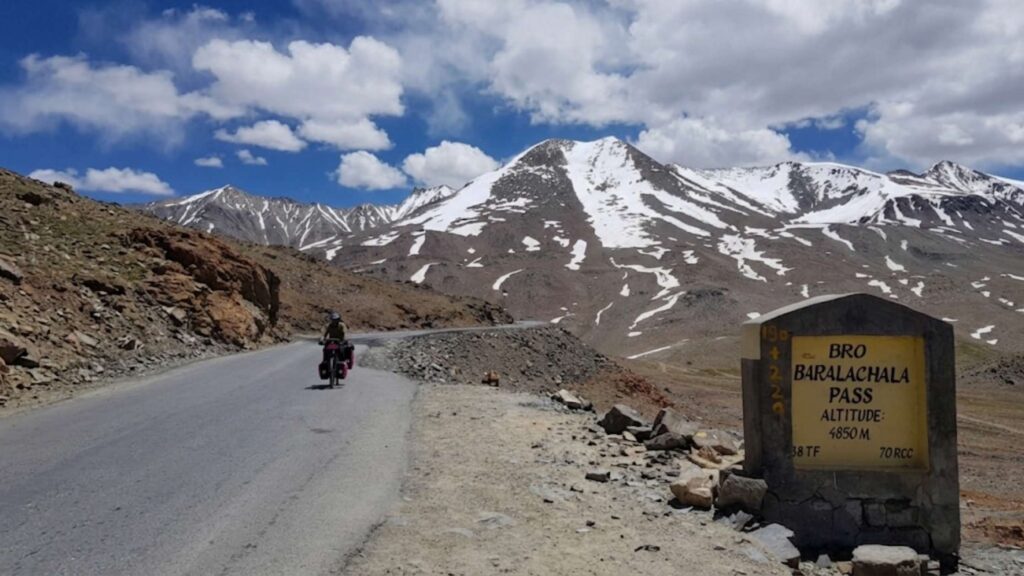
Packing for Baralacha in August is about preparing for cold, wind, rain, and zero infrastructure, all in the same day.
Warm layers are non-negotiable. Thermals (top and bottom), a fleece, and a windproof jacket. The wind at 16,040 ft cuts through anything that is not windproof. A raincoat or waterproof outer layer is essential because August brings monsoon moisture to the lower sections and surprise drizzle at the top.
Waterproof shoes with good grip matter more than brand. You may need to step through water crossings or walk on wet gravel at the pass. Sandals and sneakers are not enough.
Sunglasses and sunscreen with high SPF are critical. UV at this altitude burns fast, even on cloudy days. Your lips will crack without SPF lip balm.
Carry dry snacks, water, basic medicines (paracetamol, ORS, anti-nausea), offline maps (download Google Maps or Maps.me for the route beforehand), a fully charged power bank, and enough cash for the entire stretch. ATMs are scarce and unreliable beyond Keylong.
Vehicle papers, a spare tyre, basic tools, and a tow rope are not optional for self-drivers. Mobile network at Baralacha is zero or unreliable, so do not depend only on phone navigation. Tell someone your plan before you lose signal.
WhatsApp us for today’s road status
Baralacha Pass in August vs June, July and September
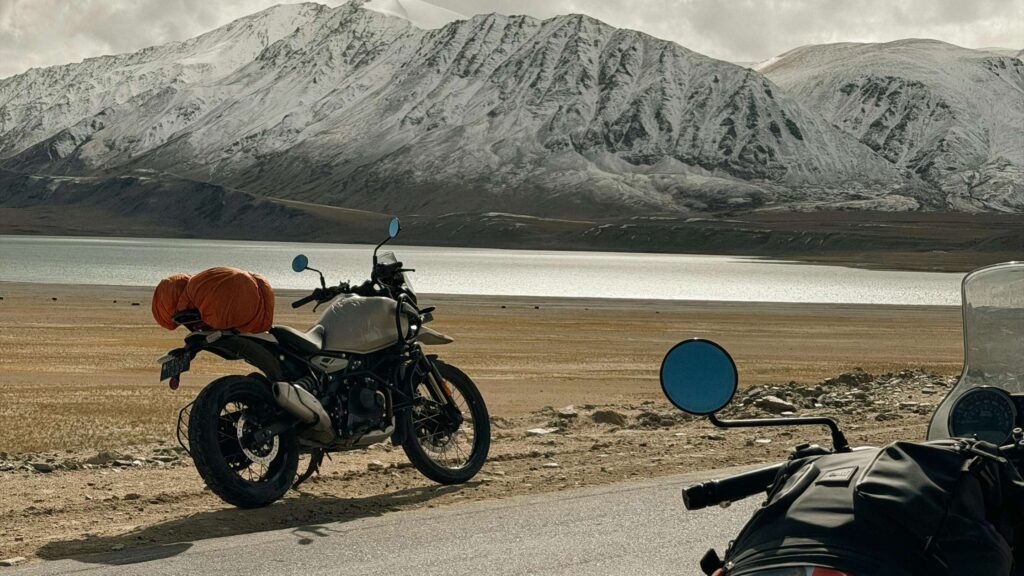
June gives you the best chance of seeing snow walls and dramatic white landscapes near the pass. But the road may still be freshly opened in early June, with rough patches and uncertain conditions. If you can handle uncertainty, June is visually stunning.
July is peak access time. The road has had a few weeks to settle after BRO’s initial clearance, camps along the route are fully operational, and the weather is warmer during the day. Rain risk exists on the lower Manali approach, but the Lahaul side stays mostly dry.
August gives you the open-road advantage. The highway has been running for a couple of months, most problem spots have been patched, and the logistics are smoother. The trade-off is monsoon risk on the lower routes. Rain can trigger landslides between Manali and Keylong, causing delays that have nothing to do with the pass itself.
September is often the clearest and most beautiful month on this route. Skies are sharp, the landscape turns golden-brown, and the crowds thin out. But nights get genuinely cold, and late-season weather can become unpredictable. By late September, the window for crossing Baralacha starts narrowing.
If you are choosing between these months, August works well for most people. It is the middle of the season, the road is established, and as long as you keep a buffer day, the monsoon risk is manageable.
Our Local Advice for Baralacha Pass in August 2026
In our experience running trips through this section of the highway year after year, August is a solid month for Baralacha if you plan around the monsoon risk on the lower roads.
Our team recommends leaving Jispa by 6 AM to reach the pass before any afternoon weather changes. The morning light on Suraj Tal is completely different from the afternoon light, and the wind tends to pick up after noon.
Do not rush from Manali to Baralacha in a single day. The altitude gain is too fast, and AMS can hit even fit people. One night at Jispa or Keylong changes the entire experience.
Check the road status for the same week you are travelling, not for the same month. A road that was fine on Monday can be blocked by Thursday after a heavy rain event. The Lahaul-Spiti district administration updates road status regularly, and a quick call to a local taxi operator in Keylong gives you the most current picture.
Carry more water than you think you need. At 16,040 ft, dehydration makes altitude sickness worse. And do not drink alcohol the night before crossing. We have seen it ruin trips for otherwise healthy travellers.
If you want direct help planning this route, check our हिमाचल टूर पैकेज or call us at +91 7018537498 and our team will sort out the vehicle, stays, and timing based on your exact dates.
अक्सर पूछे जाने वाले प्रश्न
Is Baralacha Pass open in August?
Yes, August is usually one of the more accessible months. BRO reopened the Manali-Leh highway in May 2026, and the Keylong to Leh route is listed as open. Temporary closures due to rain or landslides can still happen.
Can I see snow at Baralacha Pass in August?
Fresh snow is unlikely. You may see old patches in shaded spots or on surrounding slopes, but proper snow walls are a June and early July thing. Treat any August snow as a bonus.
Is August risky because of monsoon?
The pass itself stays relatively dry, but the lower approach from Manali can face rain, landslides and road blocks. The risk is on the road to the pass, not at the pass. Keep a buffer day.
Can I take my parents or kids to Baralacha Pass?
With proper planning, yes. But the altitude is serious at 16,040 ft. Spend at least one night at Keylong or Jispa before crossing. Anyone with heart or breathing conditions should consult a doctor before attempting this altitude. Young children under 5 are best avoided on this route.
Can I ride a bike to Baralacha Pass in August?
Yes, and many riders do. Carry waterproof gear, rain gloves, luggage covers, basic tools, and leave early. The road after Jispa has rough patches and water crossings. August rain makes it slippery. Only attempt it if you are confident riding on broken mountain roads for extended hours.
Can a sedan reach Baralacha Pass?
A sedan with decent ground clearance can make it in peak season when roads are clear. But after heavy rain, water crossings and loose gravel can make it risky. An SUV is the safer and smarter choice.
Do I need a permit for Baralacha Pass?
No separate permit is needed to cross Baralacha La on the highway. If continuing to Nubra Valley, Pangong Lake, or Hanle in Ladakh, you need a Ladakh Inner Line Permit. Carry original ID and vehicle documents.
Where is Baralacha Pass located?
Baralacha La is on the Manali-Leh Highway, connecting the Lahaul region of Himachal Pradesh with the Ladakh region. It sits between Darcha/Jispa on the Himachal side and Sarchu on the Ladakh approach.
How high is Baralacha Pass?
16,040 ft (4,890 m). That is roughly the same altitude as Everest Base Camp. Altitude sickness is a genuine risk here, so acclimatize before crossing.
Is there mobile network at Baralacha Pass?
No. Mobile network at the pass is zero or completely unreliable. Download offline maps, inform someone of your plan, and do not depend on your phone for navigation or emergency calls at the top.
Where should I stay, Jispa or Sarchu?
Jispa is better for most travellers. It is lower, calmer, has proper guesthouses, and gives your body time to adjust. Sarchu is higher and harsher, and altitude sickness hits many people hard there, especially those who have not acclimatized.
What is the best time of day to cross Baralacha Pass?
Early morning. Leave Jispa by 6 AM and aim to reach the pass before noon. The weather is usually calmer in the morning, and you avoid afternoon wind and potential rain. The light on Suraj Tal is also at its best before 9 AM.
Also Read: Baralacha Pass in July 2026: Weather, Road Status, Snow and Travel Guide